







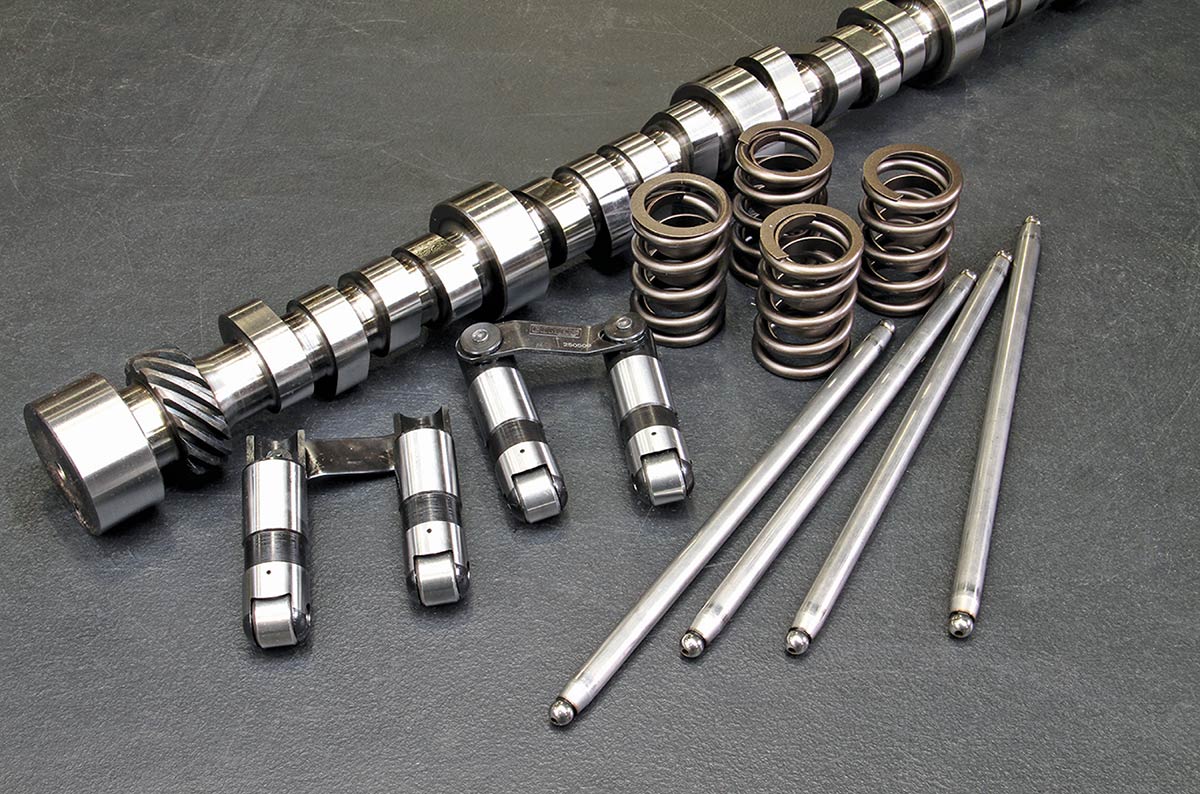
Flat-Tappet
Cam for a
Hydraulic Roller







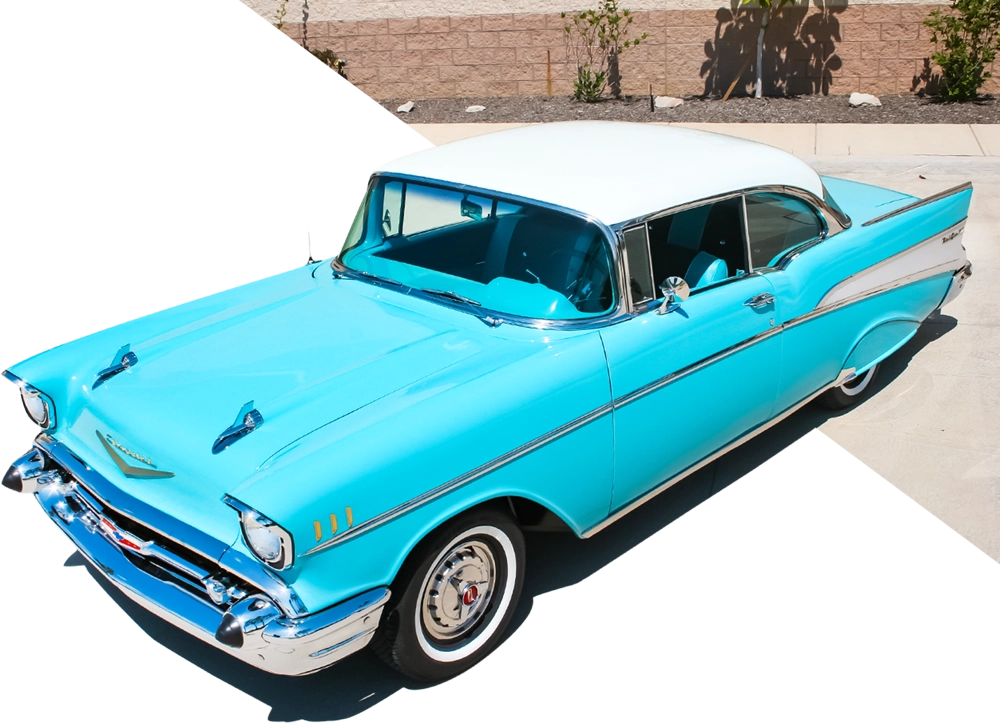


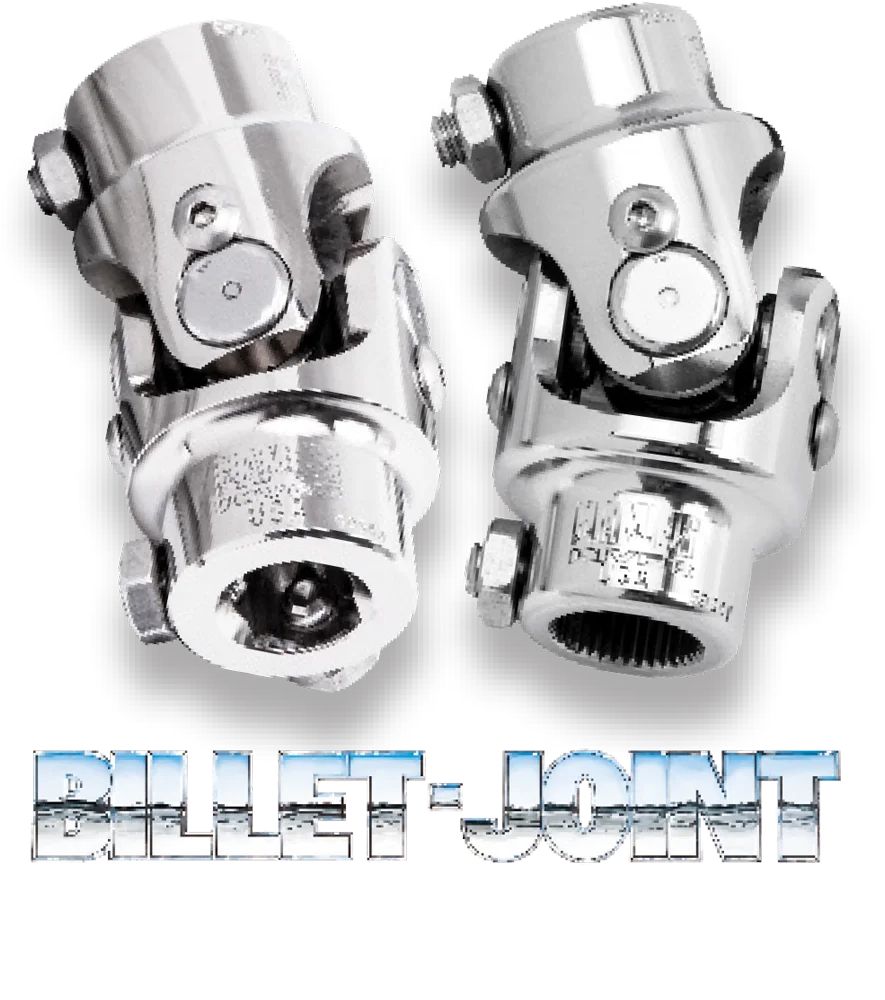
Experience precision and style with Flaming River steering columns. Elevate your driving experience with our cutting-edge technology and uncompromising quality. Transform your vehicle into a masterpiece of control and comfort. Check out Flaming River steering columns and steer your journey with confidence. Made in the USA!
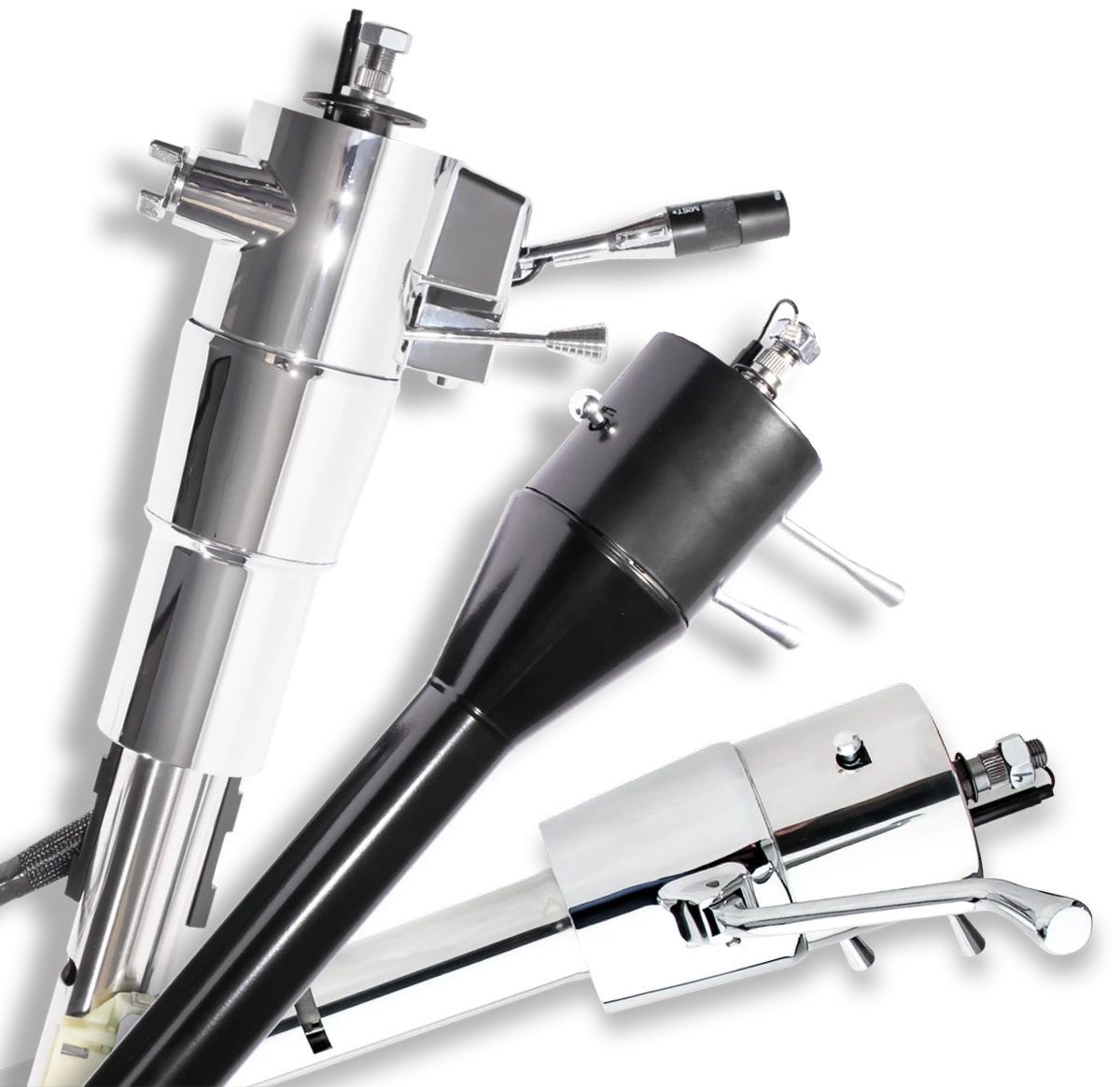

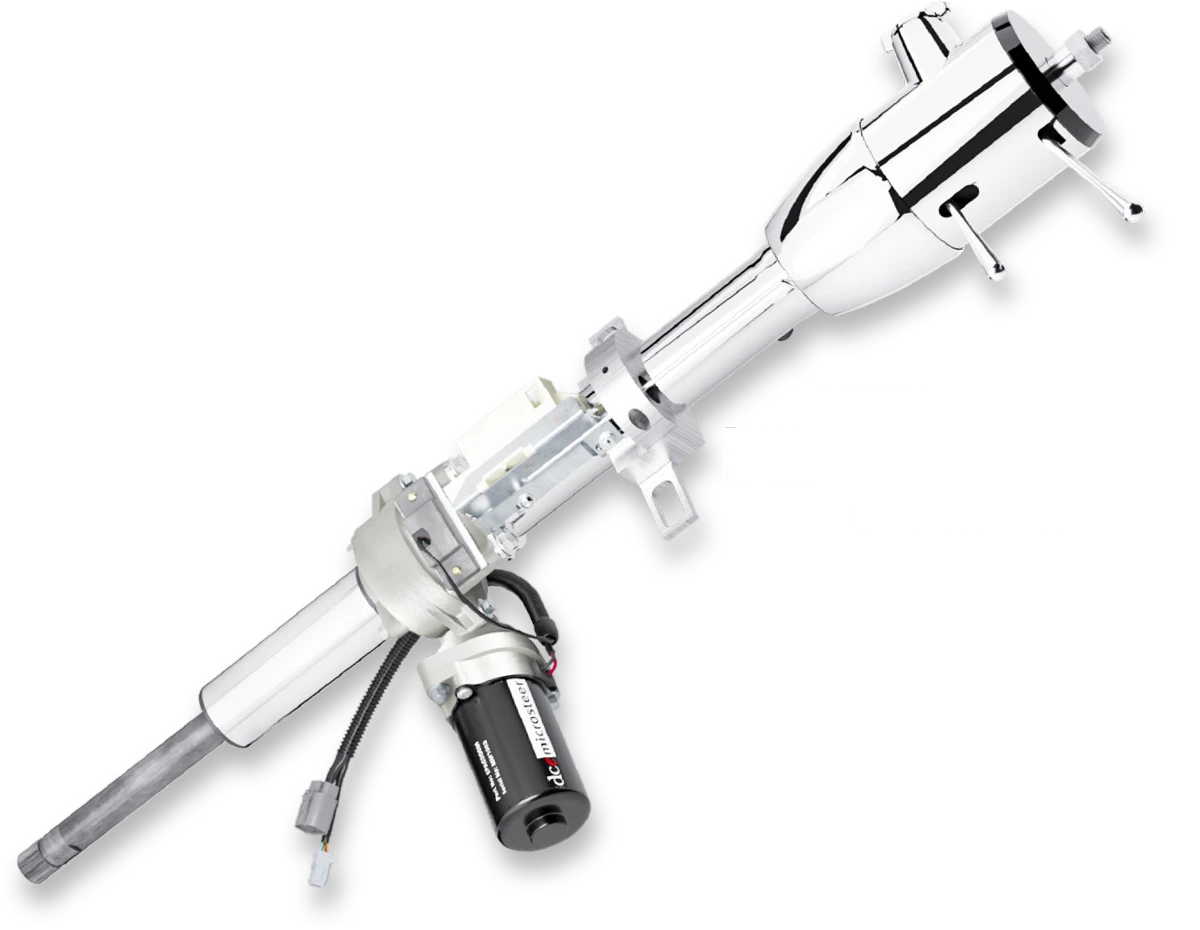
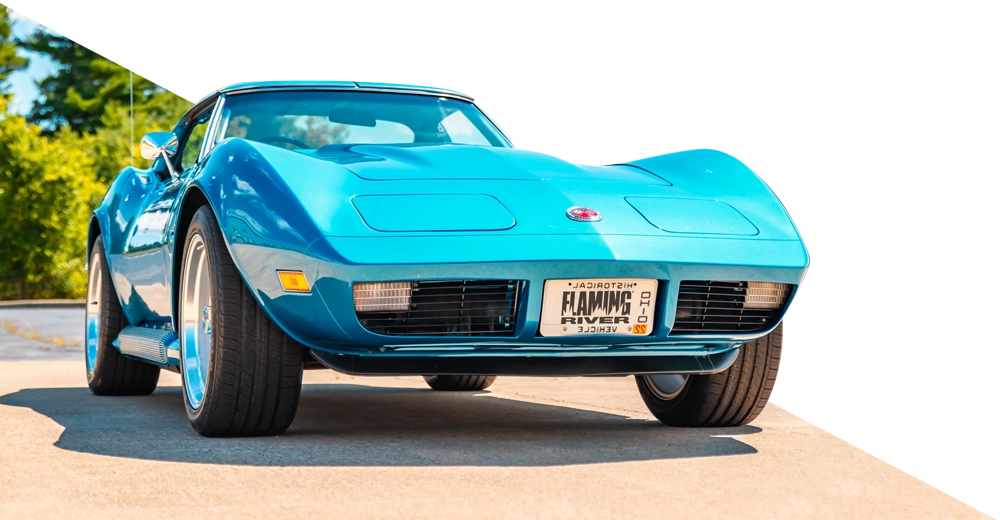
The Microsteer Electric Power Assisted Steering system is integrated into our Flaming River Tilt Column and can be used with the original 68-82 Corvette manual steering box. It’s a Direct Fit!

Experience precision and style with Flaming River steering columns. Elevate your driving experience with our cutting-edge technology and uncompromising quality. Transform your vehicle into a masterpiece of control and comfort. Check out Flaming River steering columns and steer your journey with confidence. Made in the USA!

The Microsteer Electric Power Assisted Steering system is integrated into our Flaming River Tilt Column and can be used with the original 68-82 Corvette manual steering box. It’s a Direct Fit!
The Microsteer Electric Power Assisted Steering system is integrated into our Flaming River Tilt Column and can be used with the original 68-82 Corvette manual steering box. It’s a Direct Fit!




Brian Brennan
Industry News
New Products
Those Supporting Our Industry
Brian Brennan

Beth Myers’ 1934 Ford Roadster
By Brian Brennan, Photography by Michael Christensen
Mike Dauster’s 1963-1/2 Ford Galaxie Sports Hardtop
By Johnny Hunkins, Photography by the Author
Buddy Moore’s 1955 Bel Air
By Brian Brennan, Photography by NotStock Photography
Doyle & Karen Thomas’ 1957 Cadillac Eldorado Birarritz
By Brian Brennan, Photography by NotStock Photography
Hotrods N’ Heroes Unites SoCal Car Culture With America’s Everyday Heroes
By Johnny Hunkins, Photography by the Author
Flatline Barriers’ Acoustic and Thermal Insulation is a Must
By Brian Brennan, Photography by the Author
Everything You’ll Need to Know About Electronic Fuel Injection
By Ron Ceridono, Photography by the Author & Brian Brennan
Part 2: How to Rework Bumpers and Filler Panels Using Flat Sheet Metal
By Brian Brennan, Photography by NotStock Photography
There’s More to Ditching the Flat Tappets Than Simply the Cam and Lifters
By Barry Kluczyk, Photography by the Author
Photo by Michael Christensen










BRIAN BRENNAN
bbrennan@inthegaragemedia.com
TIM FOSS
tfoss@inthegaragemedia.com
YASMIN FAJATIN
yfajatin@inthegaragemedia.com
SARAH GONZALES
sgonzales@inthegaragemedia.com
ROB MUNOZ
rmunoz@inthegaragemedia.com
PATRICIA LUDI
pludi@inthegaragemedia.com
Gerry Burger, Tommy Lee Byrd, Ron Ceridono, Michael Christensen, Ron Covell, Grant Cox, Kev Elliott, John Gilbert, Ken Gross, John Jackson, Chadly Johnson, Barry Kluczyk, Scotty Lachenauer, Ryan Manson, Josh Mishler, Dale Moreau, Todd Ryden, Jason Scudellari, Chris Shelton, Tim Sutton, Chuck Vranas — Writers & Photographers
Travis Weeks Advertising Sales Manager
Patrick Walsh Sales Representative
ads@inthegaragemedia.com
ModernRodding.com
AllChevyPerformance.com
ClassicTruckPerformance.com
InTheGarageMedia.com
subscription@inthegaragemedia.com
(714) 985-9171
InTheGarageMedia.com “Online Store”
For bulk back issues of 10 copies or more, contact store@inthegaragemedia.com


Copyright (c) 2026 In The Garage Media, Inc.
Printed in the USA.
The Modern Rodding trademark is a registered trademark of In The Garage Media, Inc.


 By Brian Brennan
very project has a beginning and, if we are lucky, a promising end. While my beginnings were nearly lost in time, Project Gassed Up began in earnest at the 2011 Detroit Autorama. The initial conversation was between Chris Sondles of Woody’s Hot Rodz and I. I can see that the “end” is right around the corner, thanks to Dean Livermore of Hot Rods By Dean. I would be remiss not to mention Steve Stanford, who put pen-to-paper and did the initial renderings. But 15 years have passed, so there was plenty of “pushing around” the shop.
The project I’m talking about is my 1955 Chevy, built in a mild Gasser style. What does that mean—no straight axle? I know it’s not a gasser without a straight axle. I get it. (A series of concessions was made for reasons explained another time.) But I really do need to drive this car, as it has been a dream of mine for decades, and it was a concession to getting my wife (Kimi) to ride around.
Hence the name “Totally Gassed.” I’ve always enjoyed Tri-Fives, and the 1956 is my favorite heart-and-soul. I grew up with a 1956 Chevy. My parents bought it new from Felix Chevrolet in Los Angeles, and it eventually became my high school car and even made it through my first couple of years of college. But then life “got in the way.”
 BY BRIAN BRENNAN
 Golden Star Classic Auto Parts Shootout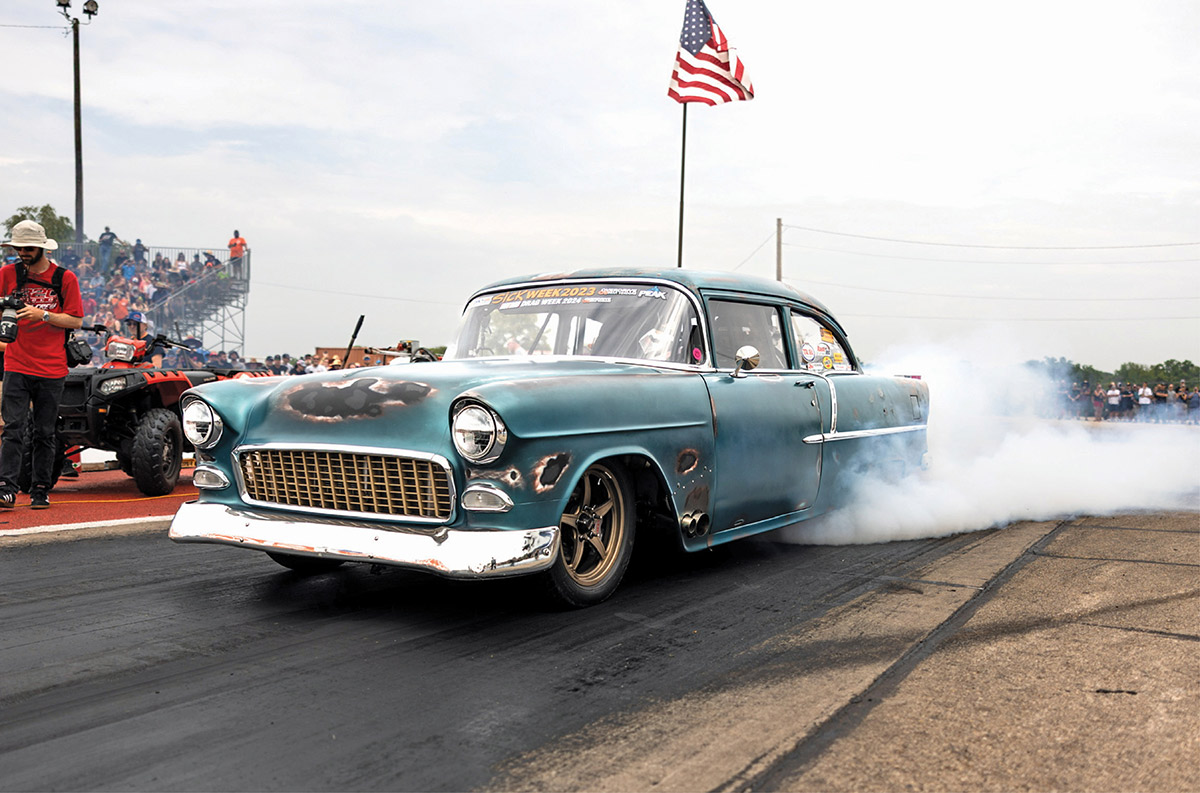
Alex Taylor versus Jeff Lutz. Dare we say, “Young versus old.” Bring on the 1955 Chevy versus the 1957 Chevy … gotta love that. It’s a first-time race between the two and promises to be entertaining, exciting, and loud! You might even say this is the Tri-Five version of the famous Cha Cha Muldowney versus Don Garlits match races from decades past.
Be at the Golden Star Classic Auto Parts Shootout held on the hallowed drag racing ground that is known as Beech Bend Raceway. (Heck, they haven’t painted the bleachers since the ’60s! Or so it seems.) Look for the two racers to be pitted alongside the CPP booth in the vendor midway, signing autographs throughout the weekend. They will be positioned right beside and across from the CPP booth in the vendor midway, signing autographs all weekend. Racing at 12 and 4 on Thursday, Friday, and Saturday. They will start the event at noon on the starting line and be the last two race cars to go down the quarter-mile on Saturday, ultimately crowning one of them as the Golden Star Shootout Champion.





Constructed from high-grade 316 stainless steel, LokJaw ties deliver superior strength in any high-temperature application and environment, are highly corrosion-resistant, and inspire confidence and durability. The result is a clean, professional installation that enhances both fit and finish.


PHOTOGRAPHY BY MICHAEL CHRISTENSEN
VIDEOGRAPHY BY RYAN FOSS PRODUCTIONS & MICHAEL CHRISTENSEN
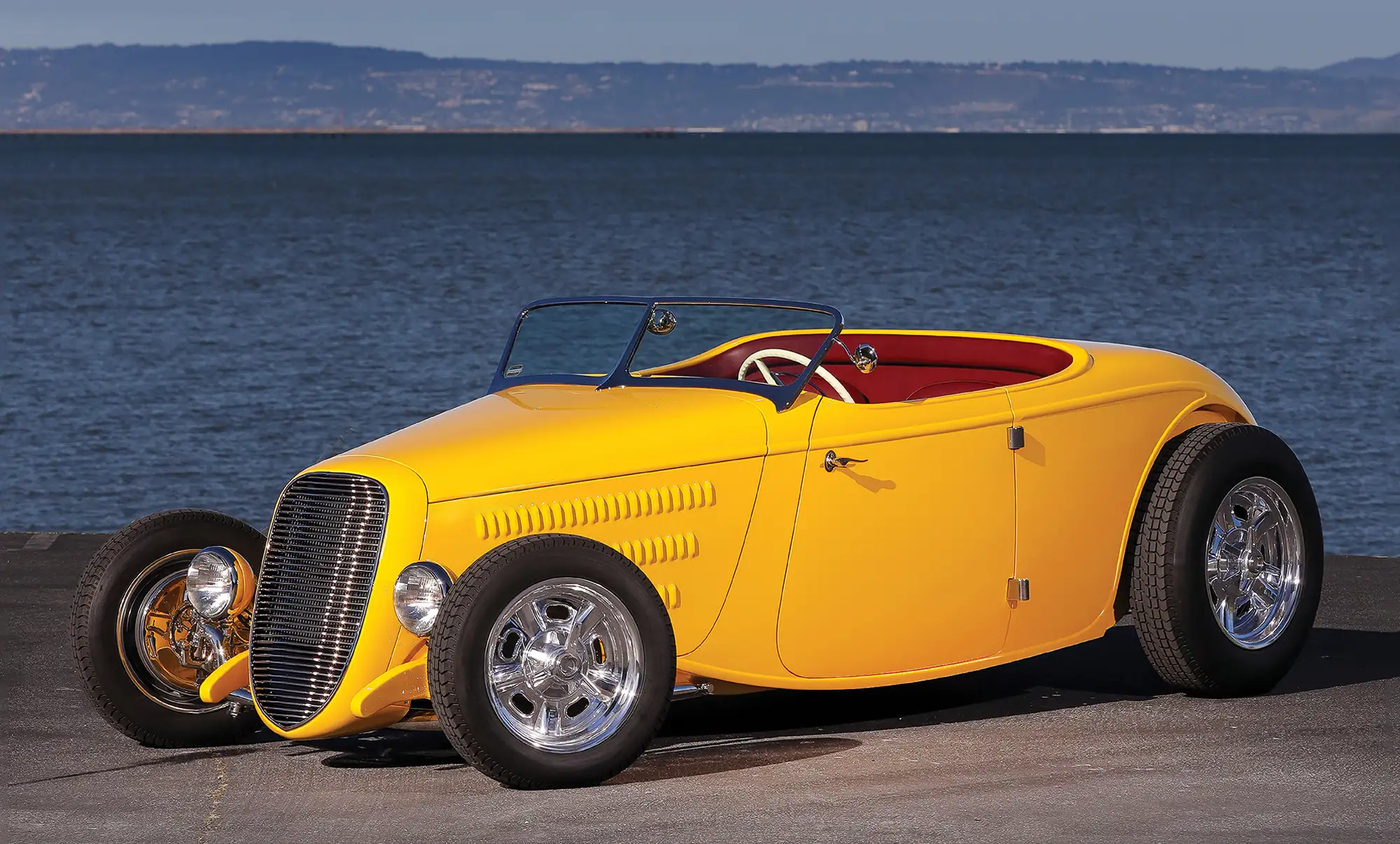
hen a car builder who has built dozens upon dozens of hot rods literally makes the statement: “This is one of the absolute best cars we’ve ever built,” that is significant. So it goes for Roy Brizio of Roy Brizio Street Rods (RBSR) and his crew, who built this fenderless (lowboy) 1934 Ford roadster over the course of two years for owner Beth Myers.
The build is an interesting presentation that makes you ask, “Where did this idea come from?” For some of our senior-plus hot rodders, you may recall the Apr. ’51 cover of Hot Rod—the channeled 1934 Ford roadster owned by Jack Morgan that graced the cover. There are similarities, and, of course, there is approximately an 86-year gap between the builds, so some things have changed. But one can see the “family” resemblance.

 PHOTOGRAPHY & VIDEOGRAPHY by the AUTHOR
ll of us want to be comfortable in our hot rod—it doesn’t matter the time of year or how much horsepower we have (or don’t). When cruising, comfort is king. That brings us to Flatline Barriers, an ultra-lightweight, easy-to-install material that blocks unwanted heat and noise. The two main sources of discomfort when driving are excessive noise and excessive heat inside where we are trying to keep our “cool.”
To help us achieve this level of comfort, there are a few things we can do. However, the one that is unseen and possibly the most important is the use of acoustic and thermal insulation. We thought we would give this product a try, so we stopped by Classic Industries and picked up a precut kit with some additional material for extra coverage for our 1969 Chevelle. This is a big-block–powered Chevy with a thundering exhaust, so heat and sound can be an issue. (Experience has taught us that!)
We stopped by Hot Rods by Dean and installed the Flatline Barriers product on a 1969 Chevelle we have and will continue to showcase stories here in Modern Rodding. We were able to nail down Dean Livermore and get a couple of hours of his time to try out the installation for ourselves. Everything went as advertised. Keep in mind that you will want your flooring, door panels, and headliner area to be well cleaned and ready to accept the adhesive-backed acoustic and thermal insulation. It is adhesive backed. The material, once laid down and pressed into position, is there. Make sure you are ready before installing.


 PHOTOGRAPHY BY THE AUTHOR
ome cars deceive you from across a parking lot. Others do so when you get close. Then there’s Mike Dauster’s 1963-1/2 Ford Galaxie Sports Hardtop—a car that completely flips the script. It’s what we call a reverse 20-footer, a visual trick where the closer you get, the more impressive it looks, with details sharpening and your desire to drive it increasing. Part of that effect comes from the paint itself: the patina is authentic not fake. No fake rust, no spray-on fade, no artificial aging. It’s the original 1963 finish, and it looks honest whether you’re 1 foot or 20 feet away. That instinct is exactly what guided this build: a Pro Touring–style, patina-preserved, 940hp fastback that honors Ford’s Total Performance heritage while embracing the modern reliability and power of a Nelson Racing Engines Coyote topped with a 3.0L Whipple. Before anyone gets worked up, let’s be clear: this is not an original R-Code car, nor was it even a 427 machine. No rare piece of Ford racing history was altered in creating this monster.
Mike, a 43-year-old engineer from Bakersfield, California, grew up at the dragstrip and in the stands at Bakersfield Speedway. “I have been a car lover since I was a little kid,” he says. “My dad started taking us to Bakersfield Speedway for the dragstrip. I’ve been going to hot rod shows and races my entire young life.” His first hot rod was a 1967 C10—built by the same shop that would later transform this Galaxie—an immaculate, award-winning truck that became too nice to enjoy. “I ended up selling it because I just didn’t get to enjoy it. It was too nice,” he says. That experience became the turning point. He wanted something he could lean on, drive daily, park without fear, and still feel proud of.

 PHOTOGRAPHY BY THE AUTHOR & BRIAN “SPARKY” BRENNAN
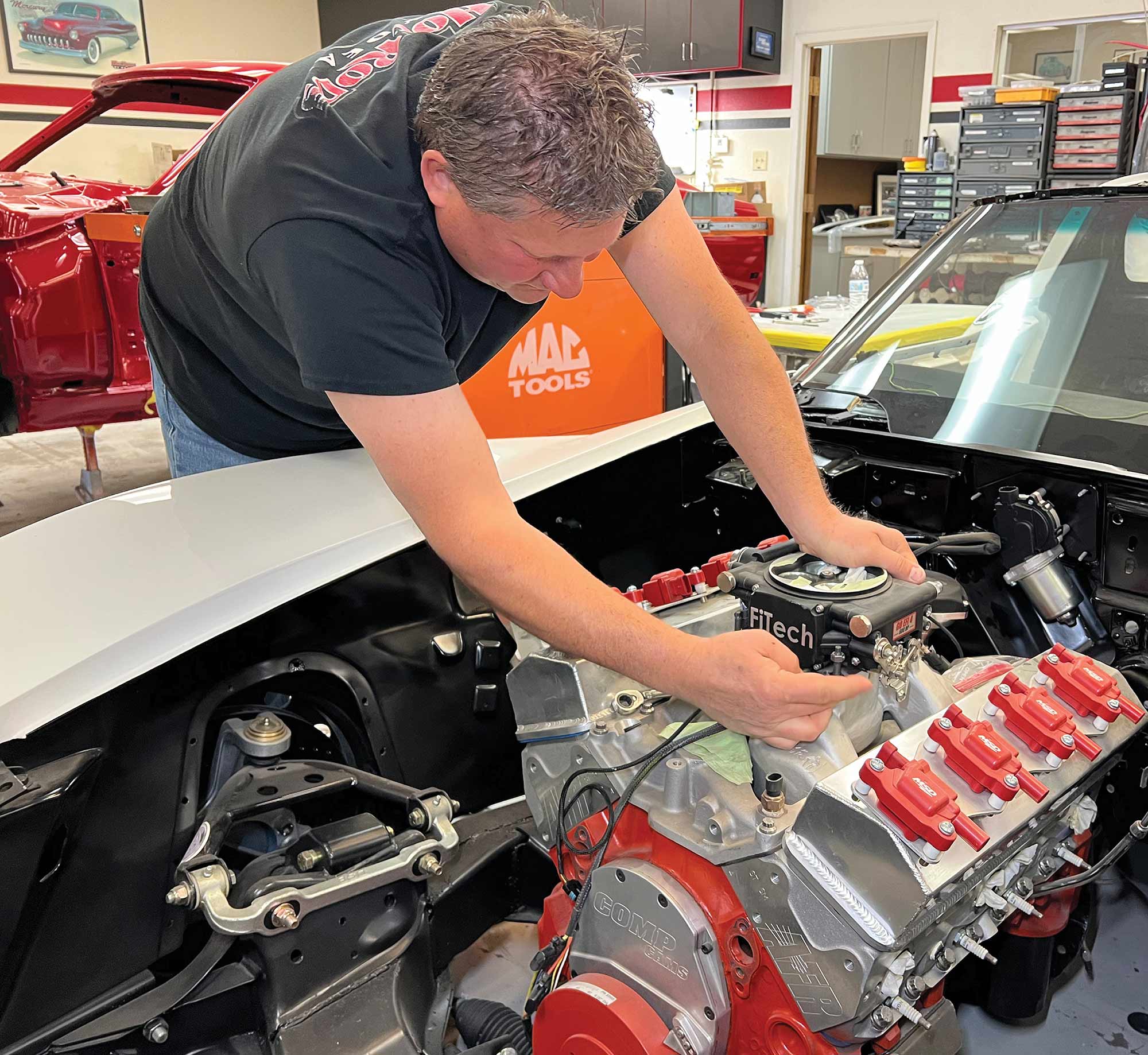
iTech is a leader in electronic fuel injection (EFI), offering self-learning systems in a variety of configurations, including throttle body and port-injection configurations. Here, we will be looking at FiTech’s popular throttle body systems, specifically the Go EFI, Easy Street, and Go EFI Classic that use “four-barrel” throttle bodies, all of which are rated at 850 cfm (a Go EFI 500-cfm two-barrel is also available for single or really cool tri-power applications). With the exception of the Go EFI Classic, the ECU and all sensors, except the O2 and coolant sensors used by the Go EFI and Easy Street systems, are housed in the throttle bodies. The Go EFI Classic has the old-school look of a carburetor and uses an externally mounted ECU.
Over the years, there have been many bench-racing sessions at the Modern Rodding headquarters about the impact of technology on hot rodding. One such conversation began with Brennan telling yours truly that the love for a row of carburetors on any engine was a sign of being stuck in the past. Admittedly, the counter that carburetors can be fixed on the side of the road was lame, but that’s all that came to mind, and it was better than admitting he was right.

 PHOTOGRAPHY BY THE AUTHOR
here’s something special about a car that carries more than just sheet metal and horsepower—it carries history. For Buddy Moore, this 1955 Chevy Bel Air means more than a classic Tri-Five; it’s a rolling timeline of family, patience, and a second chance at a dream that began over 30 years ago.
Back in 1993, Buddy aimed to find the perfect first car for his oldest son’s 15th birthday. What he discovered was a well-used but honest 1955 Bel Air owned by a high school principal in Choctaw, Oklahoma, who had faithfully driven the car daily for over 20 years. As expected from a vehicle exposed to Oklahoma’s seasonal extremes, it showed signs of rust, weathering, and the scars of time, but beneath it all was a solid foundation and undeniable potential.
 PHOTOGRAPHY BY NOTSTOCK PHOTOGRAPHY & TIN MAN’S GARAGE ARTWORK JIMMY SMITH CONCEPTS
e kicked off our build series on the 1957 Ford Ranchero coming out of Tin Man’s Garage (Brian Limberg) in Part 1. Limberg enlisted Jimmy Smith of Jimmy Smith Concepts to illustrate what this highly modified 1957 Ford Ranchero would look like. Since owner Mike Long was on board with these upgrades, “Cool Ranch” started its journey to a rod run near you. From here, we can now see the 1957 Ranchero in metal finish through the lens of John Jackson of NotStock Photography. In Part 2, we will look at a popular modification to all sorts of hot rods—bumper tuck.
To recap in Part 1, we examined the interior and discussed several modifications that, through Jimmy’s artistic eye, provided a starting point for the talented team at Tin Man’s Garage, resulting in something spectacular. Now, in Part 2, we spoke with Limberg and he filled us in on what was happening.
In talking with Limberg, he has long believed that one of Ford’s most noticeable design flaws on the 1957 Ford passenger cars are the front bumpers. Limberg pointed out, “Specifically, the height they were mounted in relation to the ground when compared to the rockers. The amount of framehorn and lower radiator support visible is kind of peculiar; even after radically lowering these cars, it is still an eyesore.”


 PHOTOGRAPHY BY NOTSTOCK PHOTOGRAPHY
 PHOTOGRAPHY BY NOTSTOCK PHOTOGRAPHY
he 1957 Cadillac Eldorado Biarritz, belonging to Doyle and Karen Thomas of Texas and built by Mike Goldman of Mike Goldman Customs (MGC), has an interesting backstory—as do all Eldorados. The nameplate “Eldorado” came about through a serendipitous corporate function that met the perfect place to land. Only 1,800 coach-crafted Cadillac Eldorado Biarritz convertibles with Fisher bodies were produced in 1957. According to Cadillac enthusiasts, only a few hundred remain. We are fortunate that the Thomases found one of these nearly 5,000-pound beauties available for the custom touch from Goldman and his crew at MGC.


 PHOTOGRAPHY BY THE AUTHOR
teven Nissen rolled his 1971 big-block Chevelle into Stellar Rod & Custom with a seemingly simple request: Swap the old carburetor for fuel injection. The Detroit-area shop obliged and installed an Edelbrock EFI system.
But there was a problem. As soon as Stellar connected the control system and turned the ignition key, the engine began popping and even backfiring through the throttle body. It wasn’t a tuning issue, and what Nissen previously thought was an out-of-tune carburetor or bad ignition timing pointed to a different culprit.
“We knew right away something else was going on,” Stellar owner Mike Brimm says. “The engine had been rebuilt and didn’t have many miles on it, but the exhaust pops seemed to suggest the valve timing was off. It could have been a sticking valve, but the engine also had a flat-tappet camshaft; the bigger worry was its lobes and lifters.”


 The Bel Air Car Club rolled into Hotrods N’ Heroes with a full spectrum of TriFive color and chrome, turning the beachfront show into pure SoCal nostalgia.
 PHOTOGRAPHY BY THE AUTHOR
otrods N’ Heroes hit Huntington Beach, California, March 29th with the kind of energy only a shoreline show in SoCal can deliver. The Pacific was calm, the sky was a perfect springtime blue, and the long stretch of sand behind the Pacific Coast Highway venue made the whole thing feel like a postcard that came to life. Modern Rodding was on hand as the 42 Foundation and QruisinPCH—creators of the Quarantine Cruise—kicked off the two-day gathering with a Saturday move-in of military and first-responder equipment. Marines positioned a pair of 5-ton M777A2 howitzers at the entrance, their long barrels angled skyward as Old Glory waved overhead. Police and fire agencies rolled in with patrol units, rescue rigs, and recruitment teams, turning the beachfront into a working showcase of the people who keep Southern California’s communities moving, safe, and stitched together.
As the sun dropped, the show shifted into party mode. Saturday night brought live music, food, and the kind of easy camaraderie that defines the region’s car culture—equal parts beachtown casual and dead-serious about the machines people build and drive. But the real surge came early Sunday morning before the first hint of daylight. By 6 a.m., classics of every era were lining up in the pre-dawn dark, headlights glowing in the marine layer as owners idled into position. The 42 Foundation’s mission—supporting law-enforcement officers and their families through outreach and community engagement—was woven into the fabric of the event, not as a slogan but as a lived presence. Their partnership with QruisinPCH has turned Hotrods N’ Heroes into something more than a show; it’s a gathering point where the public, the people who serve, and the region’s deep-rooted hot-rodding community meet on equal footing.




View Index
- AFFORDABLE STREET RODS
- AMERICAN AUTOWIRE
- ART MORRISON ENTERPRISES
- AUTO METAL DIRECT
- AUTOMETER PRODUCTS
- AUTOMOTIVE RACING PRODUCTS
- BALL’S VINTAGE GLASS
- BOWLER PERFORMANCE TRANSMISSIONS
- CLASSIC INSTRUMENTS
- CLASSIC PERFORMANCE PRODUCTS
- CLASSIC PERFORMANCE PRODUCTS
- CLEANTOOLS
- CRUISIN THE COAST
- CUSTOM AUTOSOUND
- DAKOTA DIGITAL
- EATON DETROIT SPRING, INC.
- FITECH EFI
- FLAMING RIVER INDUSTRIES
- FLAMING RIVER INDUSTRIES
- GOODGUYS ROD & CUSTOM ASSOCIATION
- HEINZMAN STREET ROD SHOP
- HOT HEADS RESEARCH
- IDIDIT
- JEGS HIGH PERFORMANCE
- LOKAR
- LOKAR
- NATIONAL STREET ROD ASSOCIATION
- NOTCHEAD FASTENERS
- PAINT OVER RUST PRODUCTS
- PERTRONIX
- PHOENIX MACHINE PRODUCTS
- POWERMASTER PERFORMANCE
- PURE CHOICE MOTORSPORTS
- SALTWORKS
- SCOTT’S HOTRODS
- SPECIALTY AUTO PARTS USA, INC
- SUMMIT RACING EQUIPMENT
- TRIPLE CROWN OF RODDING, LLC
- VINTAGE AIR
- WHEEL SMITH
- WILWOOD ENGINEERING


 Photography Courtesy of Mecum Auctions
or the true hot rod purist, the 1966 Dodge D-Dart Super Stock isn’t just a car, it’s a bona fide gateway to weekend drag racing—and today, to the world of ultrarare factory builds. Born from Dodge’s Factory Dart program and built specifically for the strip, this Dart GT in disguise meant business from day one—and still does, decades later, spoken by Mopar lovers everywhere, but just not about its wins but rather about its rarity.
The car you’re imagining is rare by any measure. The stock-appearing white Dodge Dart GT (D-Dart) present on these pages was sold as part of the Ellis Collection at Dana Mecum’s 2009 Original Spring Classic Auction. It crossed the block for $40,000, a price that barely hints at the car’s pedigree yet speaks loudly to the collector who recognizes a genuine factory hot rod when they see one. This D-Dart was no mere performance badge; it’s a purpose-built drag racer packaged as a compact, street-leaning Dart GT. Dodge rated the 273 V-8 at 275 hp, a stout bump from the standard 273’s 235 hp. Weighing just over 2,900 pounds, the D-Dart carved out a legitimate NHRA D/Stock class presence, proving that horsepower in a light shell translates to real acceleration. As history would prove rather quickly, the D-Dart was a true lightweight, and that also carried over to somewhat of a “beat me if you can” appearance in the NHRA D-Stock category.
What makes the D-Dart’s performance believable (not to be confused with the Hemi or big-inch Wedge-head-equipped V-8s)? The D-Dart package was a well-thought-out presentation. The Dart came with true speed shop accessories, such as Racer Brown valvesprings, a 284-degree, 0.500-lift cam, Doug’s Headers, and a Holley 4160 bolted to the stock intake. Power flowed through an A833 four-speed operated by a Hurst shifter, while Weber clutch components formed the drivetrain’s handshake with the rear axle, which came via an 8-3/4 Sure-Grip with 4.86 gears. Clearly, the intent was to leave the line with brutal, retina-ripping acceleration. Well, for D-Stock, that may have been the case.
