
 PHOTOGRAPHY BY THE AUTHOR
teven Nissen rolled his 1971 big-block Chevelle into Stellar Rod & Custom with a seemingly simple request: Swap the old carburetor for fuel injection. The Detroit-area shop obliged and installed an Edelbrock EFI system.
But there was a problem. As soon as Stellar connected the control system and turned the ignition key, the engine began popping and even backfiring through the throttle body. It wasn’t a tuning issue, and what Nissen previously thought was an out-of-tune carburetor or bad ignition timing pointed to a different culprit.
“We knew right away something else was going on,” Stellar owner Mike Brimm says. “The engine had been rebuilt and didn’t have many miles on it, but the exhaust pops seemed to suggest the valve timing was off. It could have been a sticking valve, but the engine also had a flat-tappet camshaft; the bigger worry was its lobes and lifters.”
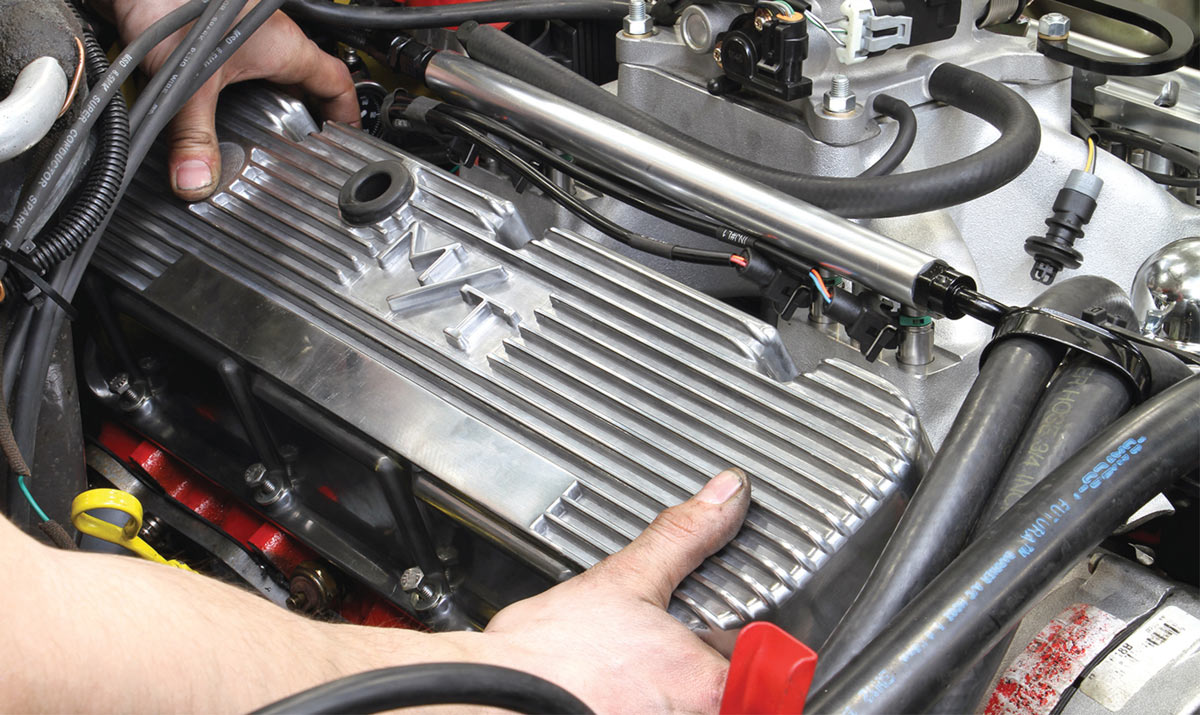
After removing the valve covers, a few of the rockers appeared to be a little lazy when the engine was running, indicating the valves weren’t opening or closing properly. A follow-up inspection with a borescope revealed jagged edges on a couple of the lifters. Three of them had “mushroomed,” too. Not good.
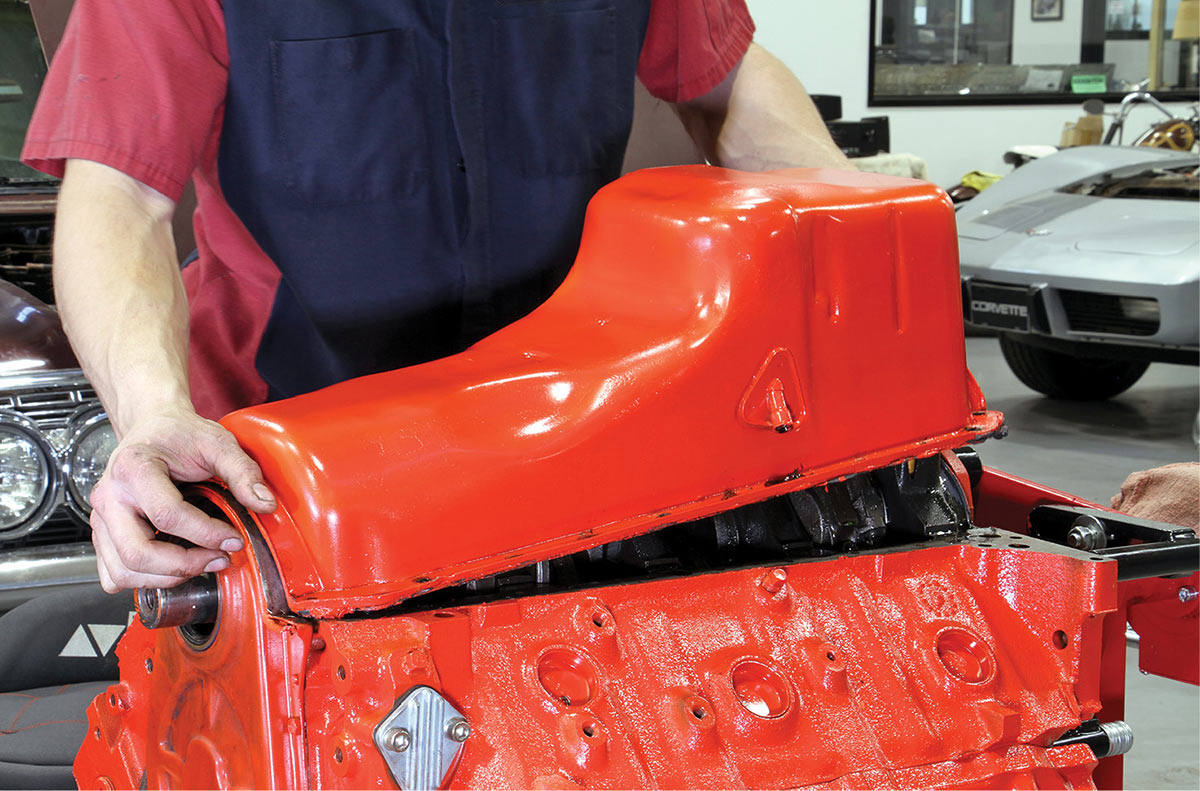
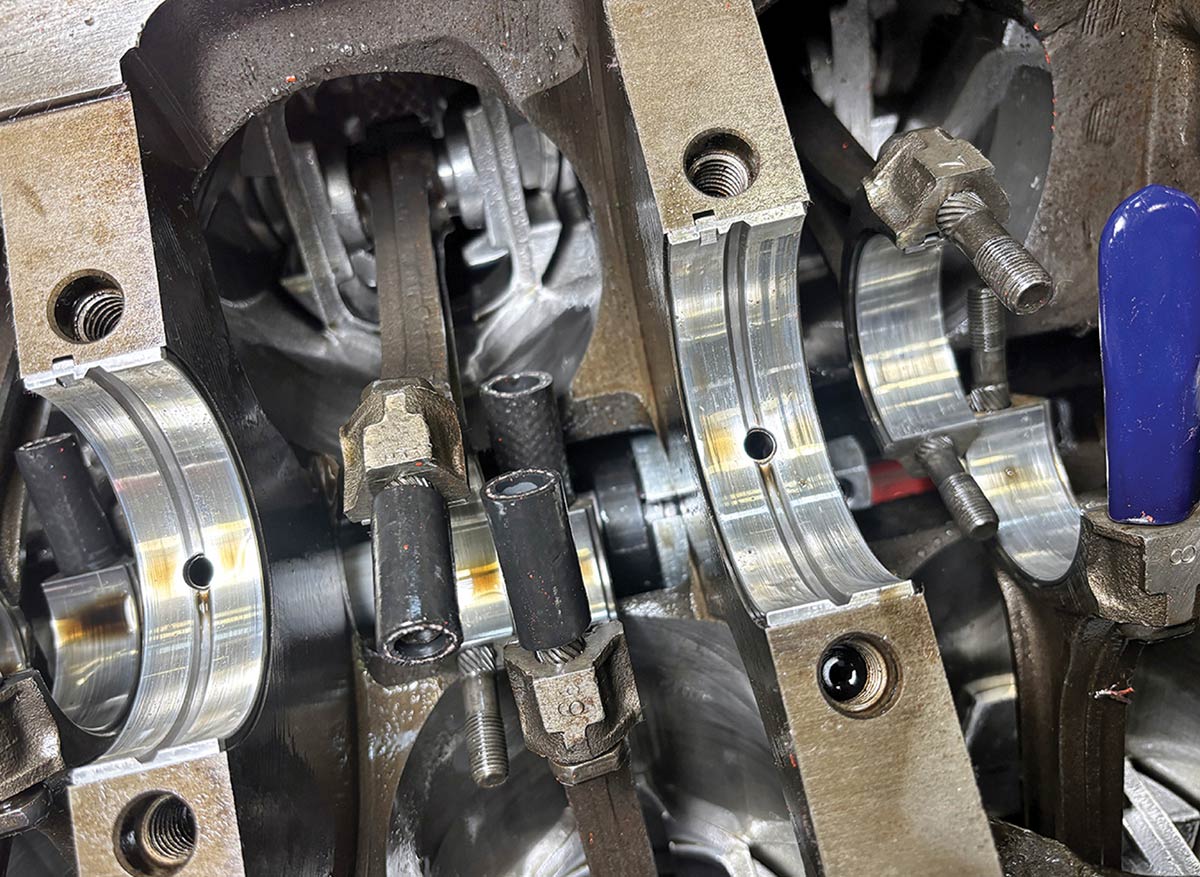
After that troubling discovery, Nissen had the Stellar team remove the engine and inspect it. When the camshaft was taken out, Brimm’s concern was confirmed: several lobes were destroyed, and the cam was unusable. There were many possible reasons the flat-tappet (mechanical) camshaft could have failed, but the most likely cause was a lack of zinc in the motor oil. Zinc is essential for preventing wear in a flat-tappet valvetrain.
It would have been easy to slip a replacement mechanical camshaft into the block, but switching to a hydraulic roller camshaft made more sense. Flat-tappet supporters will argue about the performance benefits, like greater lift and higher rpm potential, but Nissen’s A-body was just a street cruiser, so those factors didn’t really matter.
In fact, without the need for periodic valve-lash adjustments or concerns about “wiping out” the lobes—assuming the camshaft was installed and broken in properly—the low-maintenance nature of a hydraulic roller made it a much more practical choice. Additionally, the matching roller lifters would also reduce the load on the valvetrain, freeing up a few horsepower in daily driving compared to the flat-tappet design.
What’s not to like, right? Well, there are several considerations and upgrades to support when switching to a roller camshaft, and that’s the focus of this story. Along with the camshaft itself, nearly all the valvetrain components must be changed, along with a few other details—and if they aren’t done properly, the results can be as disastrous as a wiped-out flat-tappet camshaft.
“Timing is literally everything in an engine,” Brimm says. “All the valvetrain components must be spec’d perfectly to ensure valve timing is spot-on.”
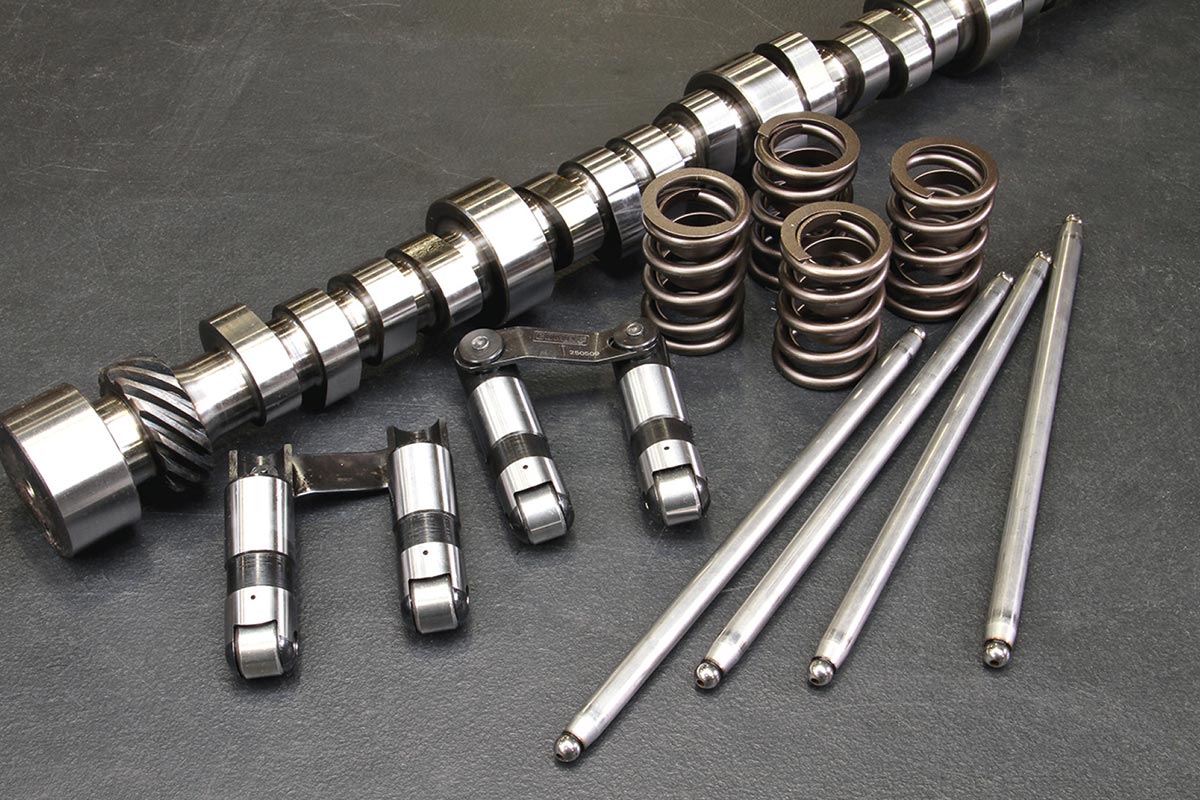
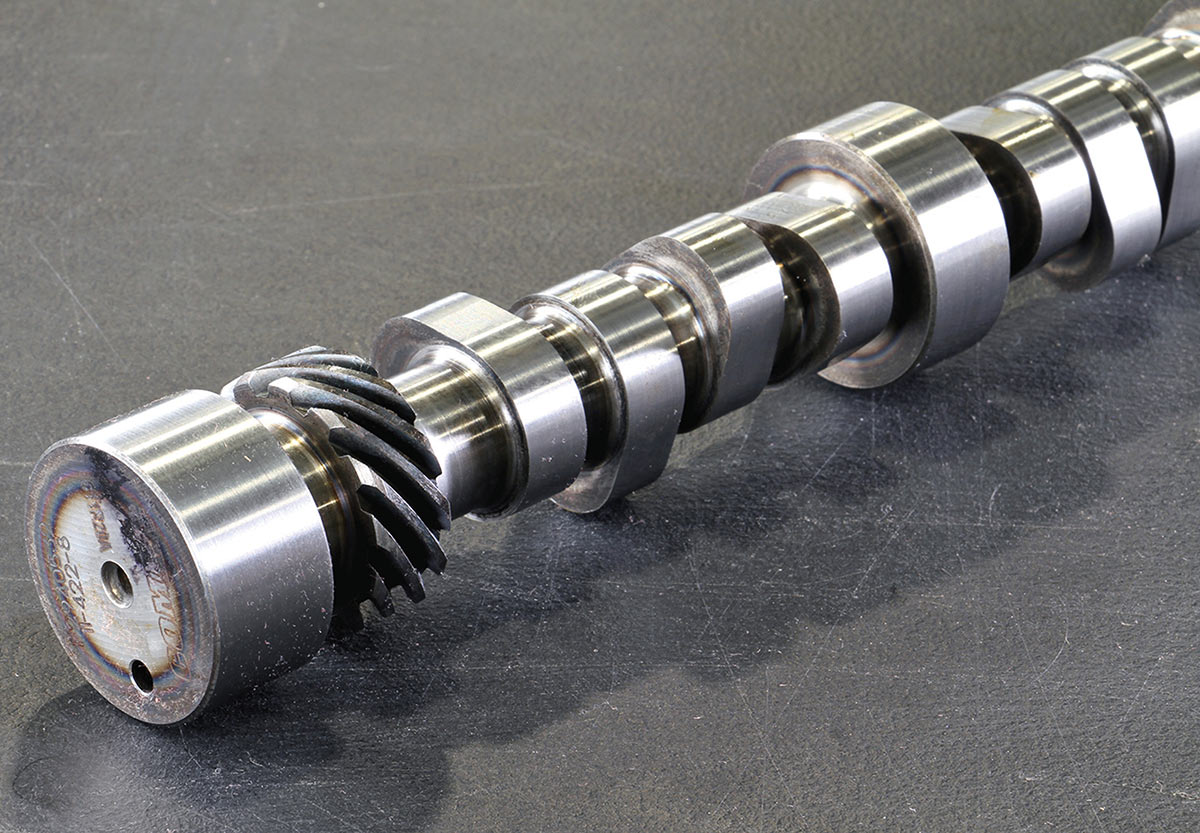
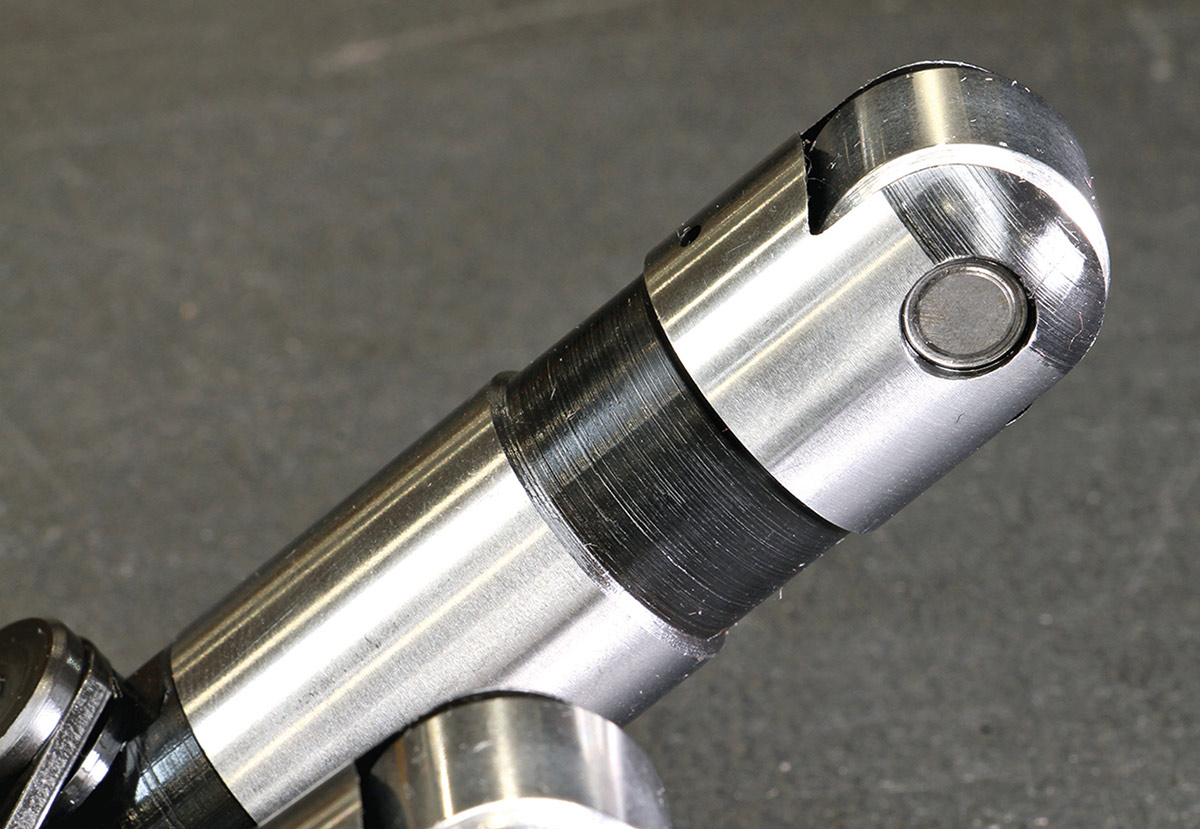
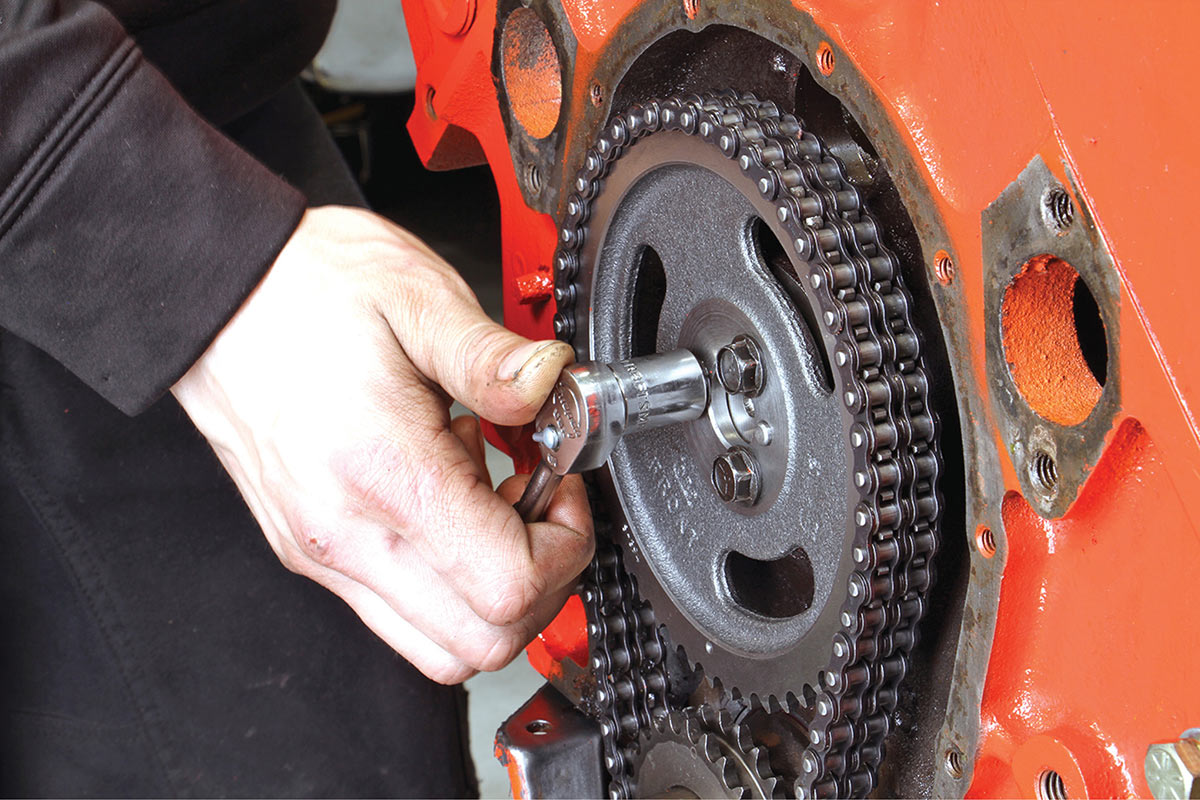
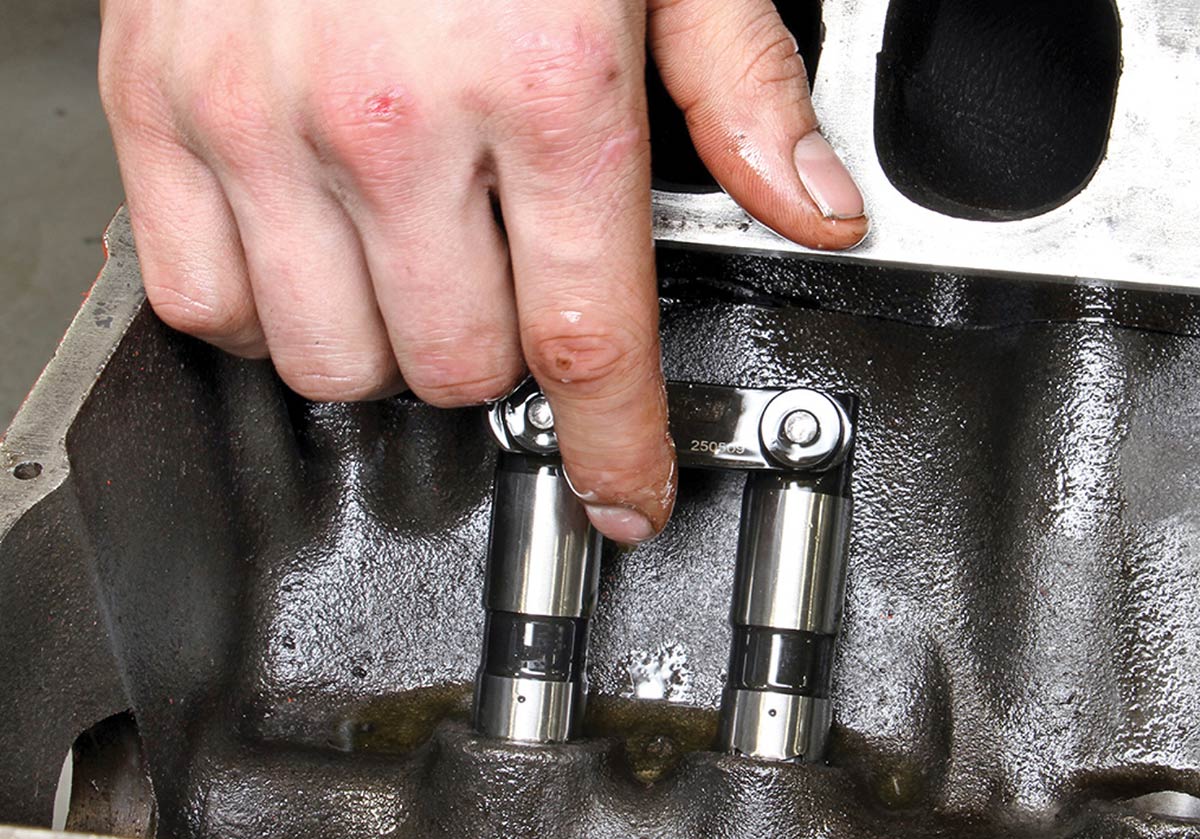
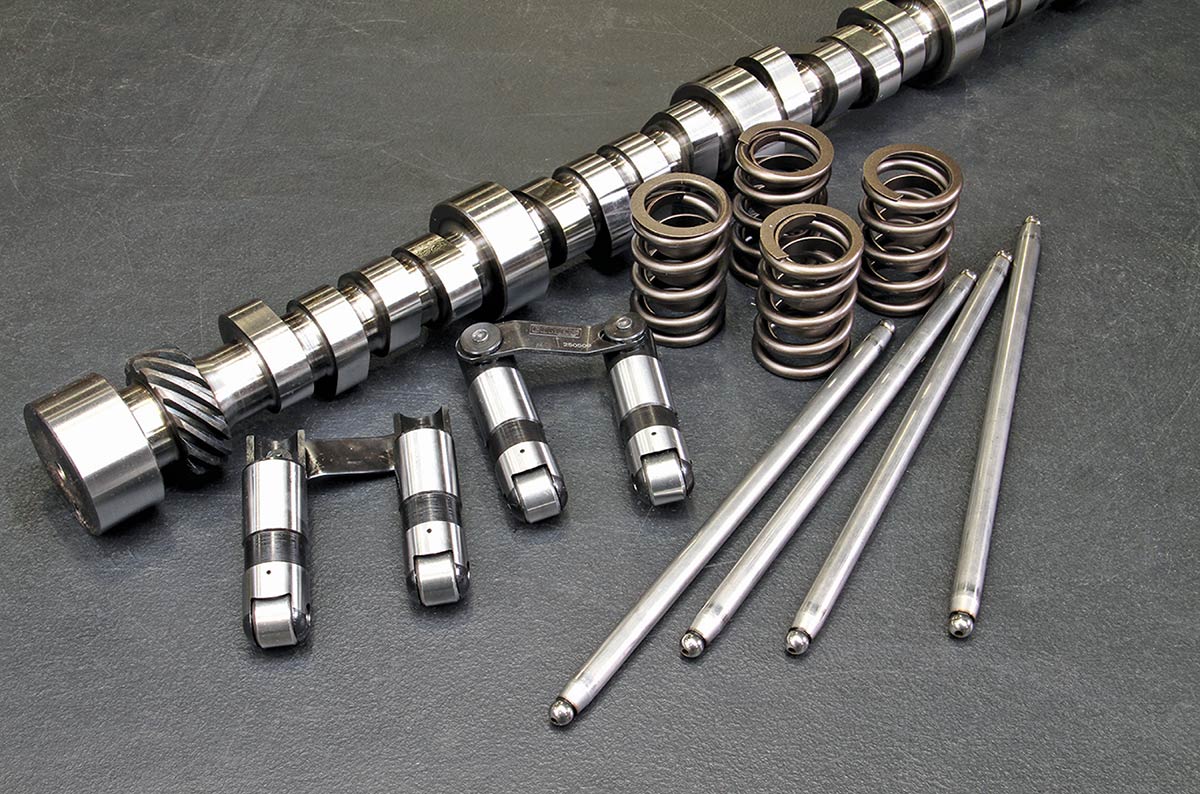
For Nissen’s engine, Stellar went with an inclusive kit from Comp Cams, which included an Xtreme Energy hydraulic roller camshaft, roller lifters, valvesprings, push rods, a timing set, and even a cam button, which is necessary on Chevy engines converting to a roller cam. The kit is available directly from Comp and from popular retail outlets.
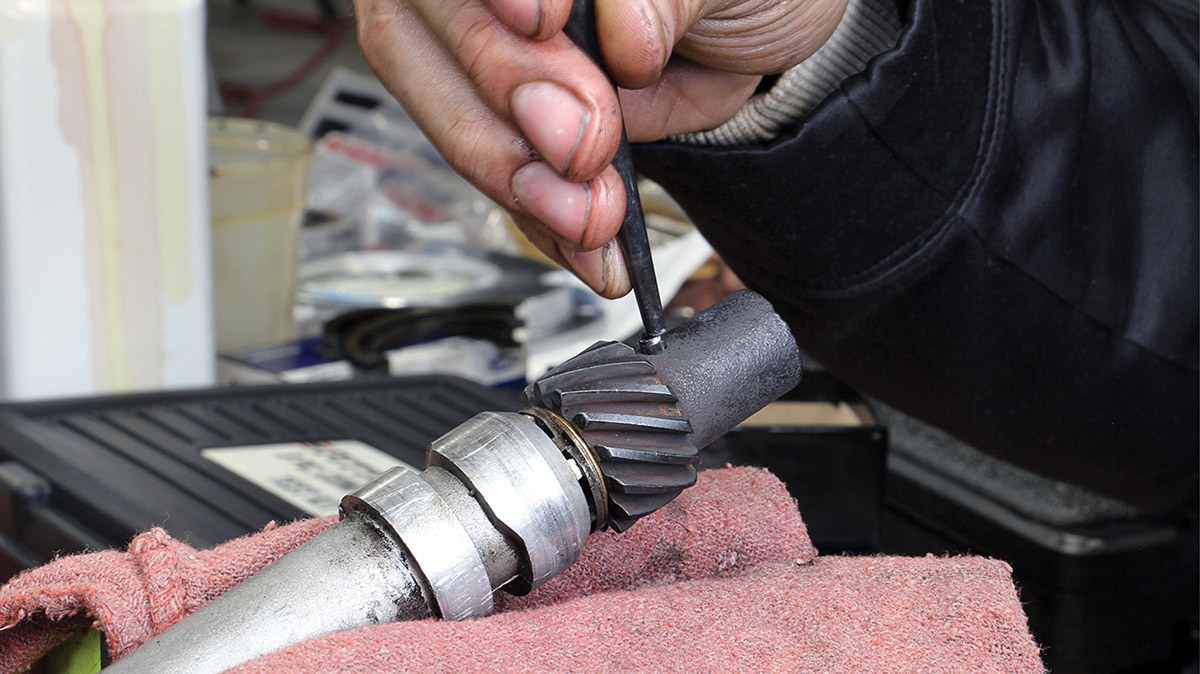
One thing not included, but essential for a roller cam upgrade, was the hardened drive gear for the distributor. Additionally, a hardened fuel pump pushrod is necessary for engines still using a mechanical pump, but since the engine in this project used an electric fuel pump for its fuel injection system, it wasn’t needed.
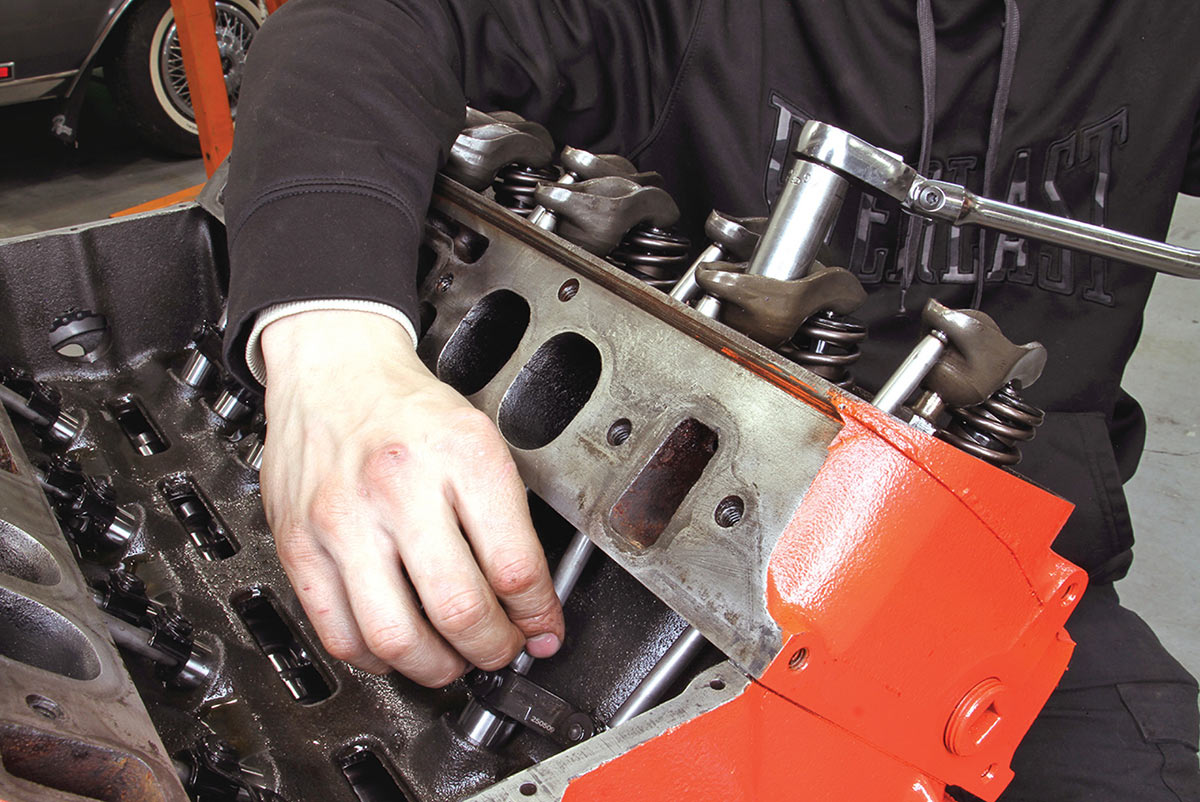
With all the parts on hand, the installation was fairly straightforward, but the rocker arms didn’t quite fit right. They were a bit wobbly, and it turned out the pushrods, while correctly sized for a stock engine, didn’t quite fit with the rebuilt big-block.
“We didn’t know the details of the rebuild, so we didn’t know how much the block and heads had been machined,” Brimm says. “Those details stack up on one another and can affect the valvetrain geometry. In some cases, you can make the stock-length pushrods work, but in this case, we needed an all-new set.”
After that was sorted, the engine went back together, and Nissen’s Chevelle was running better than ever. The maintenance-free hydraulic roller cam, combined with the engine’s EFI system, gave the classic A-body a contemporary rejuvenation, but Brimm reminds us that nothing in vintage car projects should be taken for granted.
“From the original issues that revealed the bad camshaft to selecting the right cam kit to even determining the correct pushrods, you can’t make assumptions,” he says. “Every step requires careful examination, preparation, and execution.”
We couldn’t have said it better ourselves.