






Project Cool Ranch
A 1957 Ford Ranchero
A/C, Heating,
Power Steering,
Fuel Lines
Project Cool Ranch A 1957 Ford Ranchero
A/C, Heating, Power Steering, Fuel Lines

Preview Issue




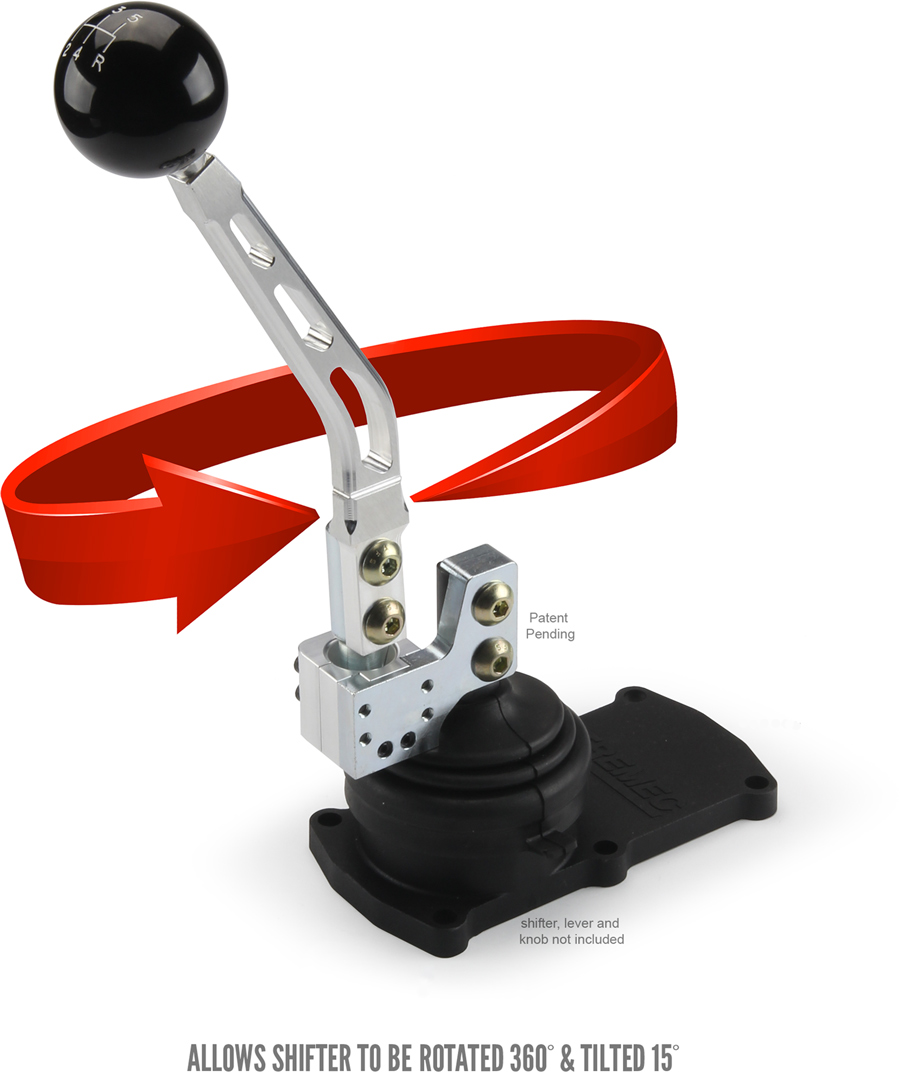
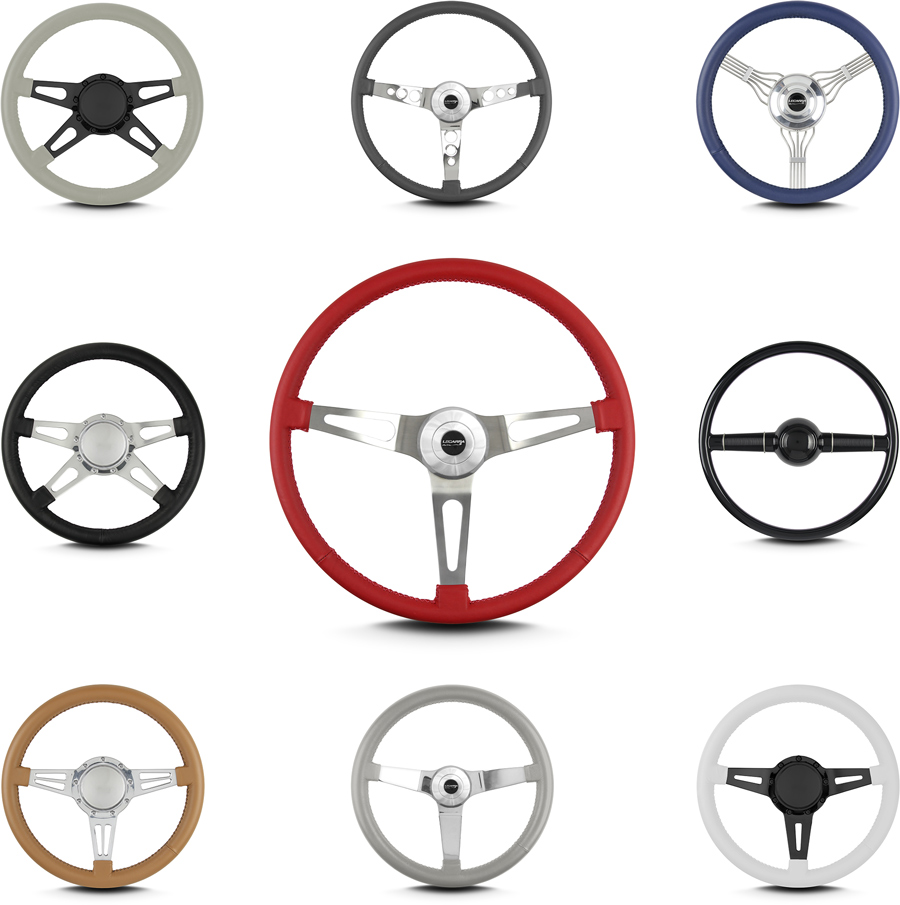



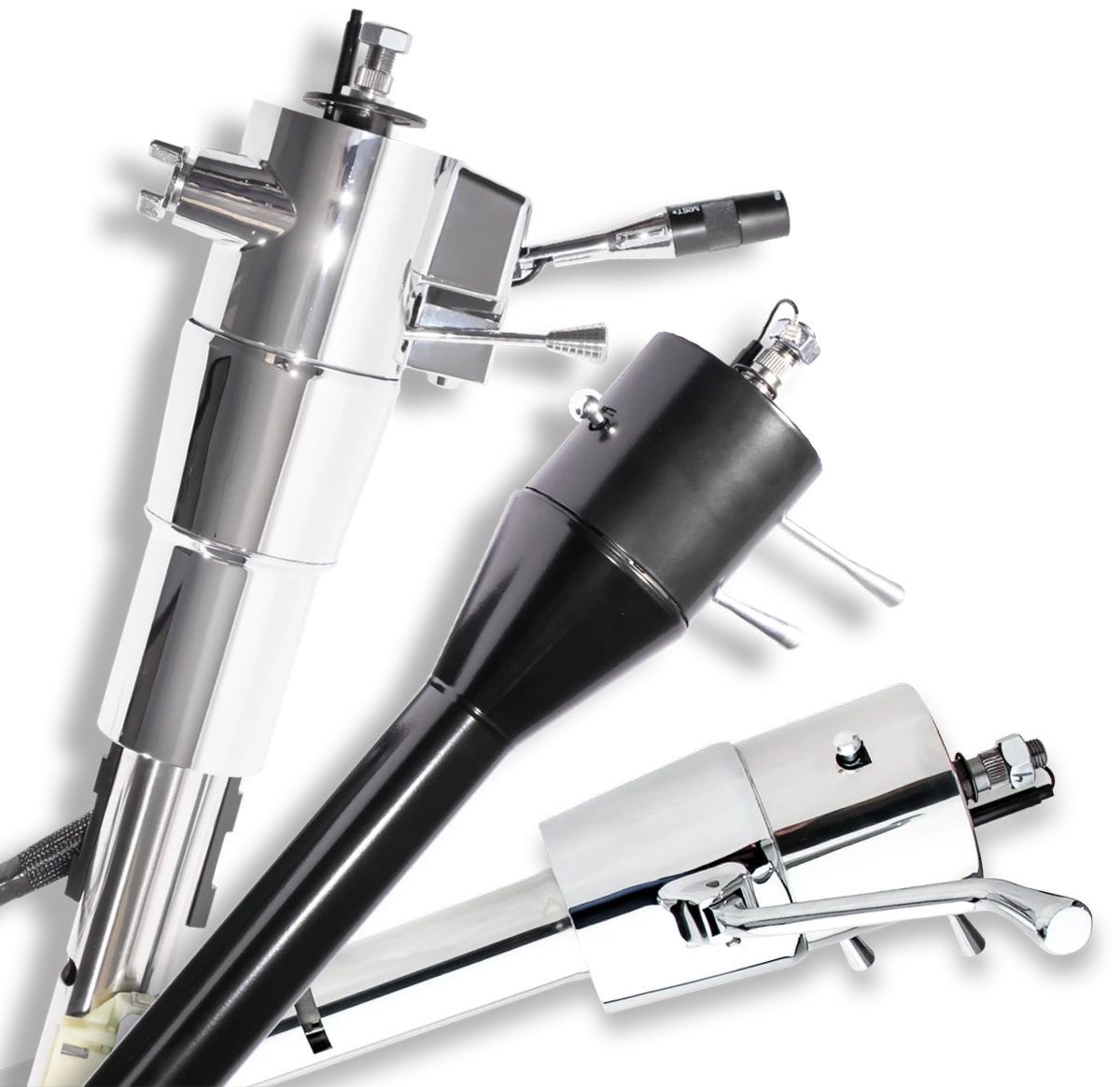
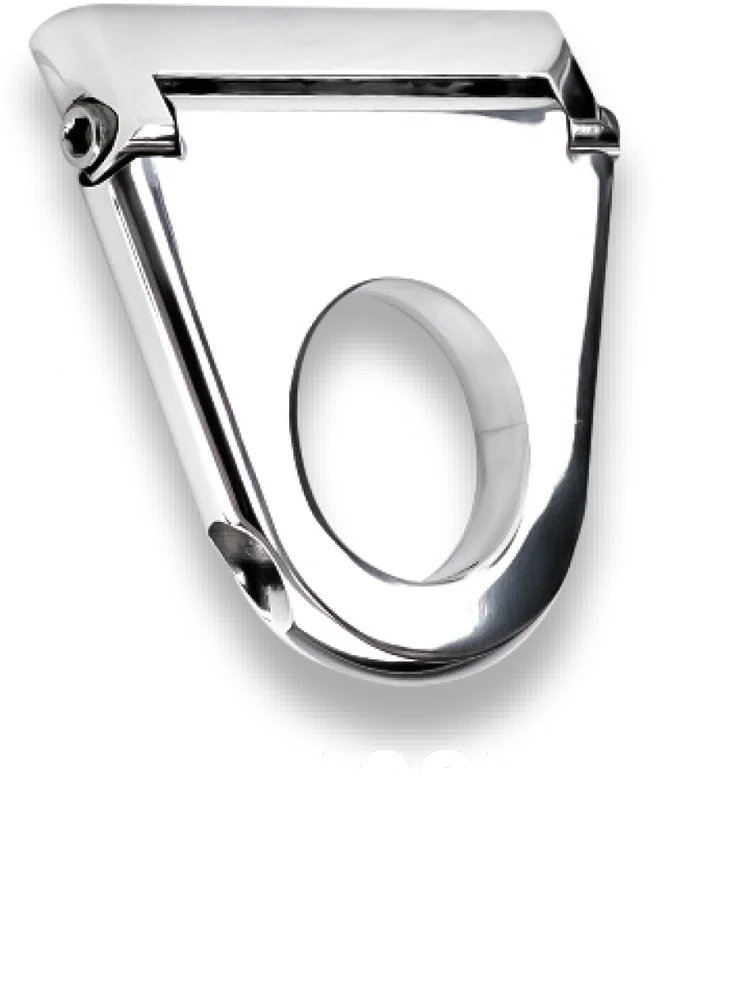
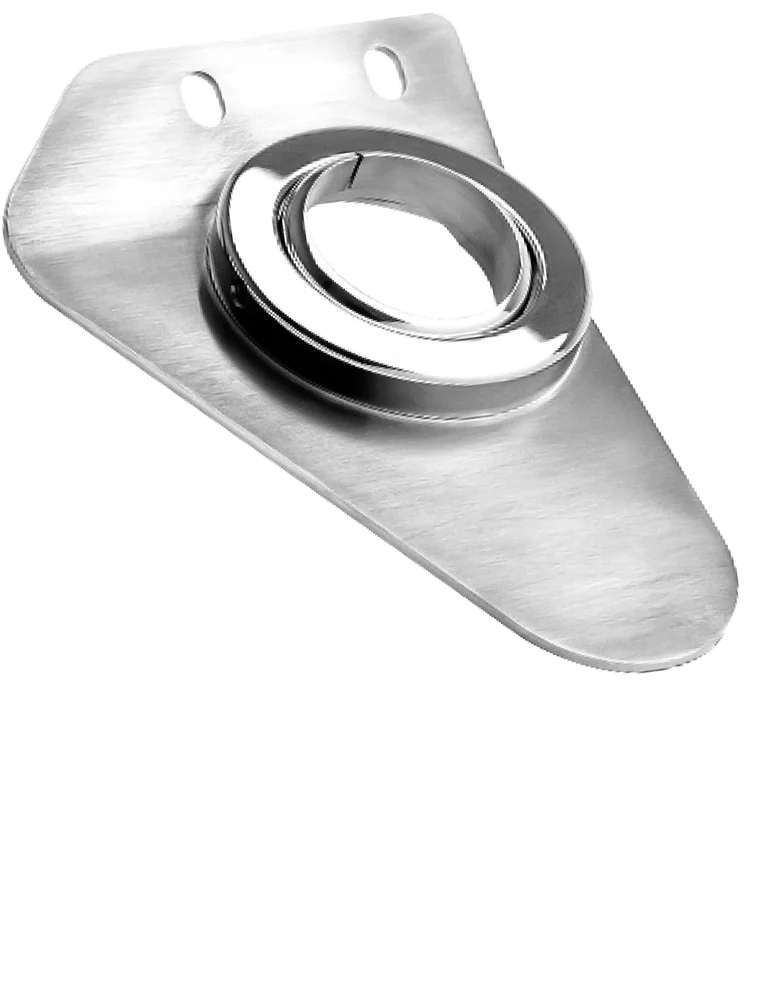
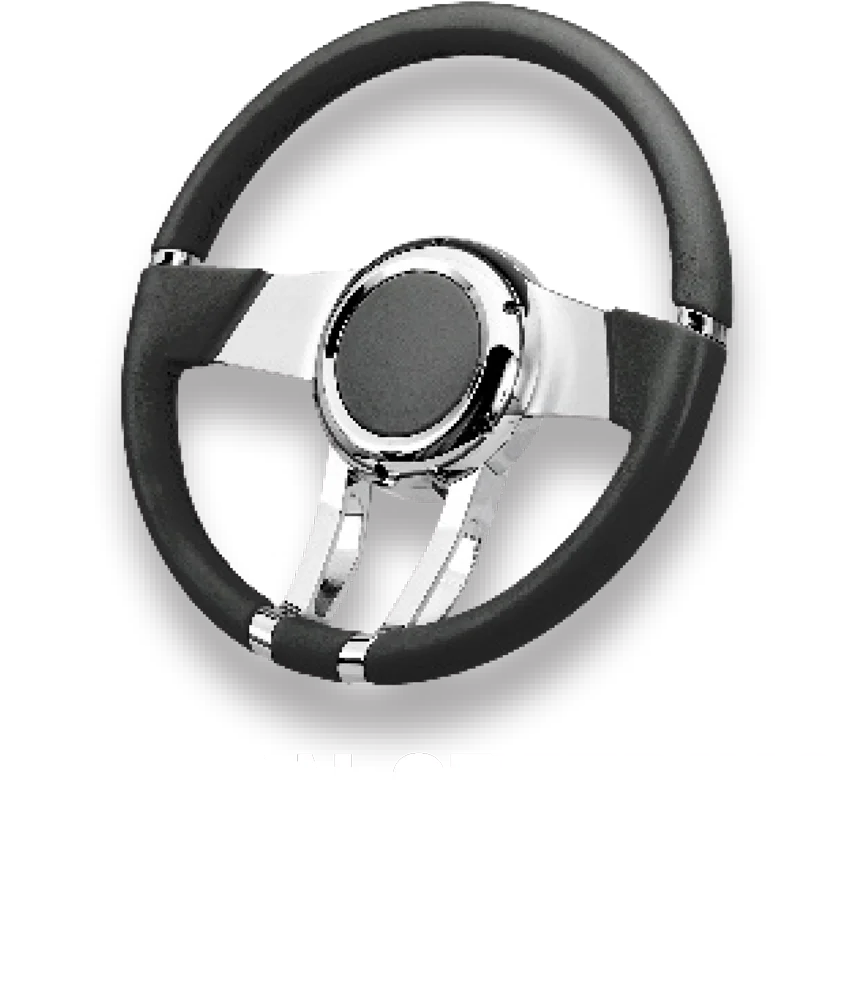
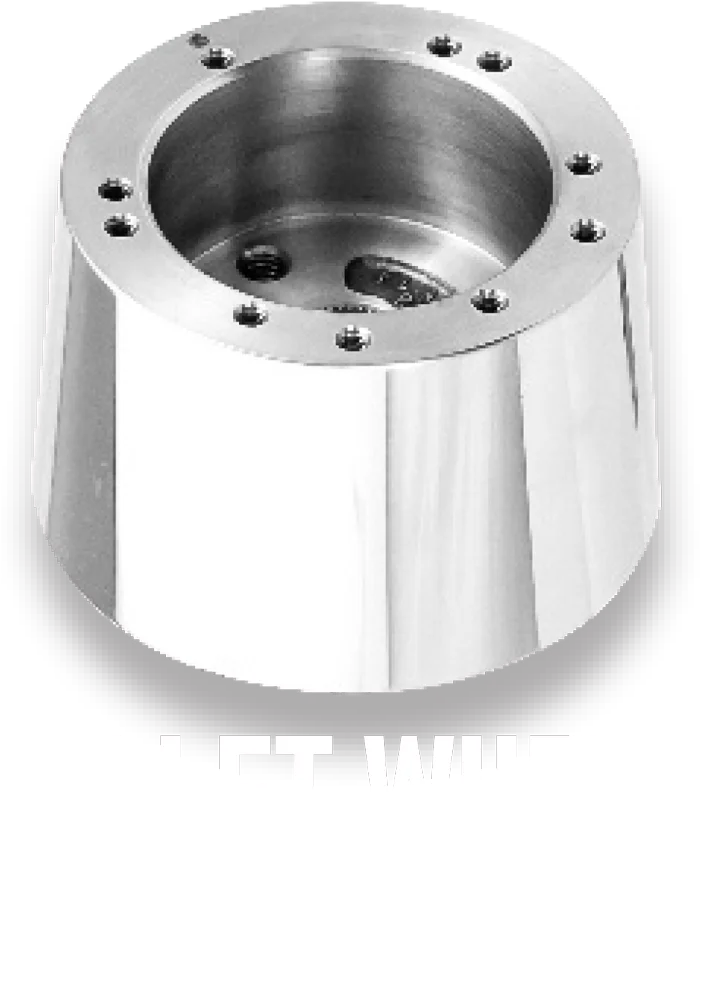
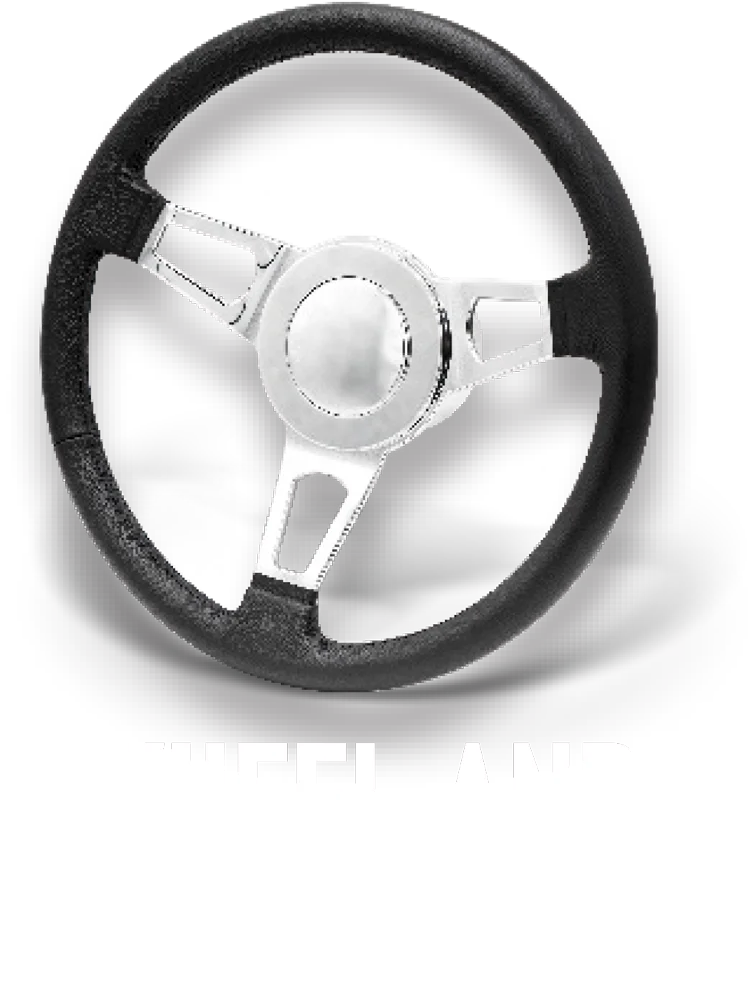
Experience precision and style with Flaming River steering columns. Elevate your driving experience with our cutting-edge technology and uncompromising quality. Transform your vehicle into a masterpiece of control and comfort. Check out Flaming River steering columns and steer your journey with confidence. Made in the USA!

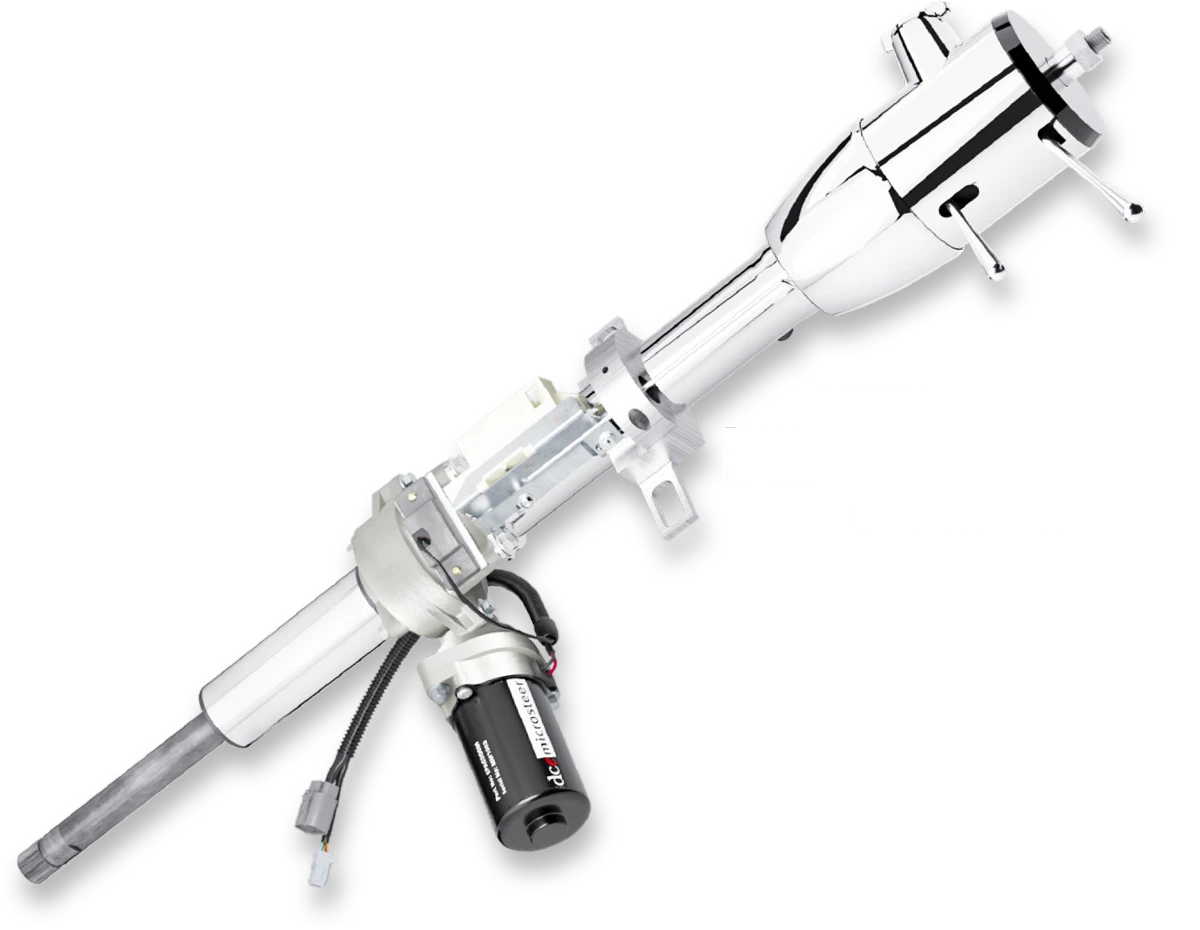
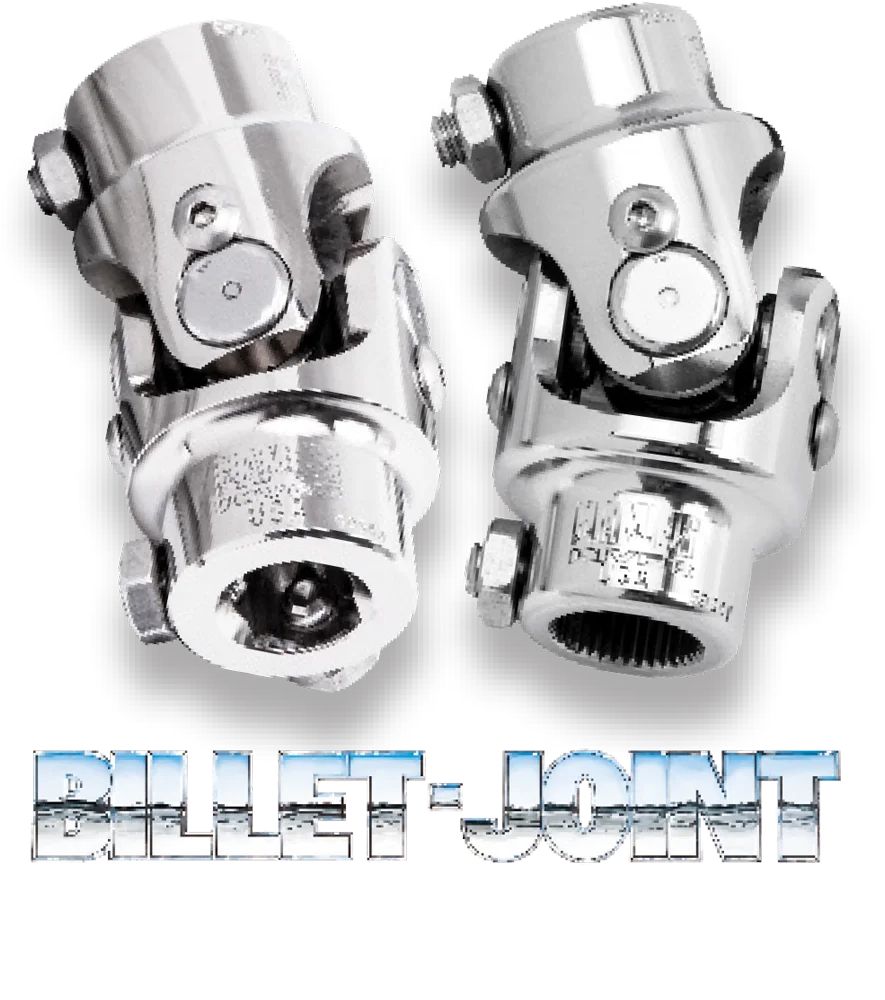
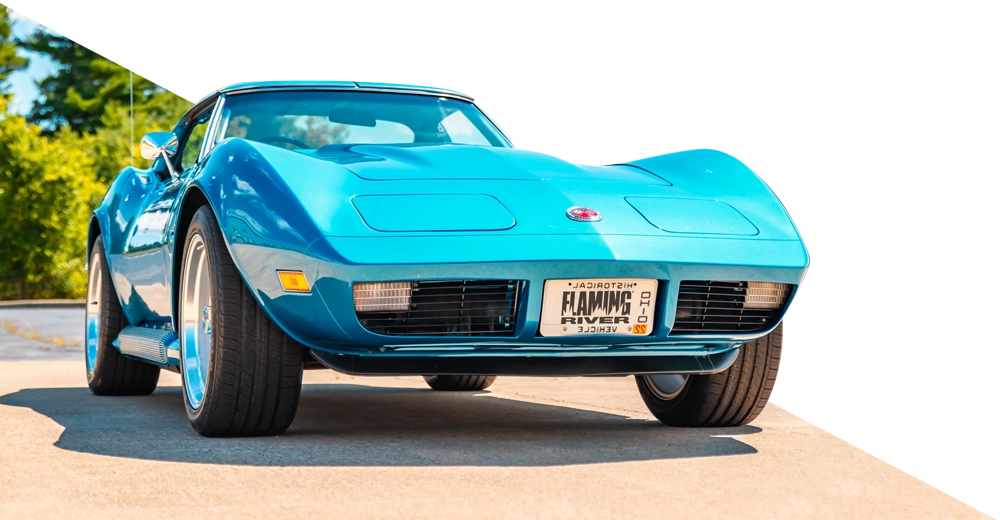
The Microsteer Electric Power Assisted Steering system is integrated into our Flaming River Tilt Column and can be used with the original 68-82 Corvette manual steering box. It’s a Direct Fit!

Experience precision and style with Flaming River steering columns. Elevate your driving experience with our cutting-edge technology and uncompromising quality. Transform your vehicle into a masterpiece of control and comfort. Check out Flaming River steering columns and steer your journey with confidence. Made in the USA!

The Microsteer Electric Power Assisted Steering system is integrated into our Flaming River Tilt Column and can be used with the original 68-82 Corvette manual steering box. It’s a Direct Fit!
The Microsteer Electric Power Assisted Steering system is integrated into our Flaming River Tilt Column and can be used with the original 68-82 Corvette manual steering box. It’s a Direct Fit!




Brian Brennan
Industry News
New Products
Brian Brennan
Those Supporting Our Industry
Jordan Costello’s 1971 Plymouth Duster
By Brian Brennan, Photography by NotStock Photography
Scott Smith’s 1933 Ford Three-Window Coupe
By Brian Brennan, Photography by Fuelish Media
Eugene Bothello’s 1959 Chevy Impala
By Brian Brennan, Photography by NotStock Photography
Alan Bates’ 1955 Chevy Bel Air
By Brandon Burrell, Photography by the Author
These Blue Oval SEMA Builds Pushed Design, Power, and Craftsmanship to Define the Aftermarket’s Most Ambitious Work
By Johnny Hunkins, Photography by Brian Brennan
Easy 7.3L Godzilla Power: Holley Intake, BTR Cam & Ultimate Headers Dyno Test
By Evan J. Smith, Photography by the Author
All About High-Tech Hoses
By Ron Ceridono, Photography by Brian Brennan
We Look at Two of Hot Rodding’s Favorite Engines … Hemi & 409
By Ron Ceridono, Photography by the Author & Chuck Vranas
Part 1: How to Encompass Your Interior With Trim
By Brian Brennan, Photography by NotStock Photography
Photo by NotStock Photography










BRIAN BRENNAN
bbrennan@inthegaragemedia.com
TIM FOSS
tfoss@inthegaragemedia.com
YASMIN FAJATIN
yfajatin@inthegaragemedia.com
SARAH GONZALES
sgonzales@inthegaragemedia.com
ROB MUNOZ
rmunoz@inthegaragemedia.com
PATRICIA LUDI
pludi@inthegaragemedia.com
Kevin Aguilar, Gerry Burger, Tommy Lee Byrd, Ron Ceridono, Michael Christensen, Ron Covell, Grant Cox, Kev Elliot, John Gilbert, Ken Gross, John Jackson, Chadly Johnson, Barry Kluczyk, Scotty Lachenauer, Ryan Manson, Josh Mishler, Dale Moreau, Todd Ryden, Jason Scudellari, Chris Shelton, Tim Sutton, Chuck Vranas — Writers & Photographers
Travis Weeks Advertising Sales Manager
Patrick Walsh Sales Representative
ads@inthegaragemedia.com
ModernRodding.com
AllChevyPerformance.com
ClassicTruckPerformance.com
InTheGarageMedia.com
subscription@inthegaragemedia.com
(714) 985-9171
InTheGarageMedia.com “Online Store”
For bulk back issues of 10 copies or more, contact store@inthegaragemedia.com


Copyright (c) 2026 In The Garage Media, Inc.
Printed in the USA.
The Modern Rodding trademark is a registered trademark of In The Garage Media, Inc.

Cleveland, OH
(216) 281-8777


 By Brian Brennan
e all face the same universal problem: there’s never enough time. Not enough time to finish a project, organize the house, or keep the garage from looking like a parts recycling yard. (Although that’s not all bad.) But the biggest time-sucker? Not having enough time to change the oil in your hot rod. How does that even happen? I get that finishing a magazine is a race, but that’s a different lap on a different track with different gears.
This small, clock-wrangling saga began about three weeks ago. The 2nd Annual Hotrods N’ Heroes event was arriving in town, practically in my driveway, and I thought it was a perfect opportunity to take one of my hot rods out for a spin and have some fun. Perfect plan, right? But as every rodder’s dream goes, perfect plans come with perfect Catch-22s. (Milo Minderbinder was one of my youthful heroes.) You want your ride to run smoothly, get you home, and look like it just rolled off the detailer’s rack. Running well? Check. Looking good? That takes a bit more effort, and Sunday is basically a small, oily martyrdom.
I realize, and for those hot rodders who know me, you know that when it comes to wax and polish I’m probably not the best. Now, I enjoy a clean hot rod, but I just don’t get excited about spending hours on it. Still, I know it’s necessary. I set aside time on the weekend to wax the hot rod, vacuum it, detail the engine a little, change the oil and filter—you know, get it ready for summer. Did I mention the amount of oil and the number of filters this project requires? It is more like a bumpy sprint through a parts store, with knees that are basically old hinges and a back that sounds suspiciously like an exhaust leak when I lie down on the ground to pop the drain plug.
 BY BRIAN BRENNAN
 BMR Suspension Acquisition of Heidts Suspension
“BMR Suspension and Heidts Suspension are like two sides of the same coin,” Allan Miller, president of BMR Suspension, says. “BMR dominates the American late-model market, and Heidts dominates the American muscle cars and street rods, so this synergy is perfect for our two companies and customers moving forward.”
“This acquisition combines decades of engineering expertise, U.S. manufacturing capabilities, and a deep focus on quality,” Wallace Leyshon, president/CEO of Heidts Suspension, states. “Moving forward, this partnership ensures that we will expand our commitment to American craftsmanship while developing innovative suspension solutions for the vehicles our customers love.”




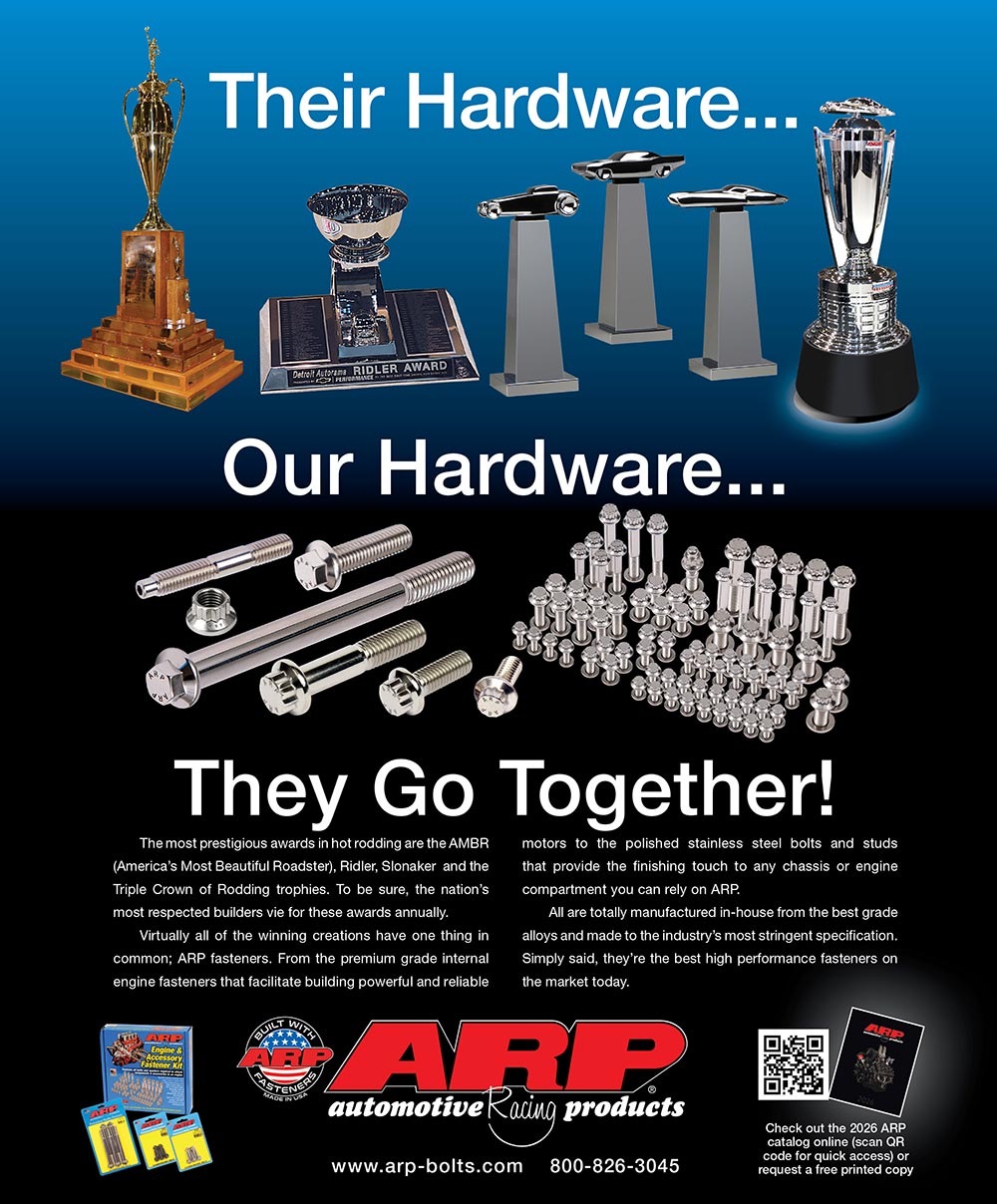
In addition to polished stainless steel and black oxide-treated 8740 chromoly 12-point and hex nuts for SAE coarse, fine, and metric applications, ARP also supplies Nyloc and Self-Locking hex “Jet” nuts and 12-point “K” nuts. Serrated flange nuts are also available.

 PHOTOGRAPHY BY NOTSTOCK PHOTOGRAPHY
f you love a car that wears its power and precision on its sleeve, you will want to keep an eye on Jordan Costello’s 1971 Plymouth Duster. The Duster took shape at BBT Fabrications under the “care and feeding” of Troy Gudgel and his team of craftsmen. This 1971 Duster is redefining what a modern muscle car can be: brutal horsepower (it’s Hellcat powered!) wrapped in clean, classic lines and a chassis that brings all the subtleties of a manageable and comfortable ride cruising highways and back roads, coupled with the demands of “get down” driving.
This Duster should be familiar to readers of Modern Rodding, as it has appeared three times during its construction phase (links to the Web-based stories appear at the end of the article). The Duster you see before you is the final “packaging” of what can be done with what might not normally be thought of as a performance-based, modern-day muscle car. But it is. The following pages reveal a full transformation that fuses vintage charm with contemporary engineering.
 PHOTOGRAPHY BY THE AUTHOR & COURTESY OF HOLLEY PERFORMANCE
ord’s Godzilla 7.3L V-8 gas engine is a prime candidate for engine swaps—but there’s an inherent problem that can stop you in your tracks. This issue lies in the stock intake manifold inlet, which is angled upward at a severe angle. And that 45-degree-angle inlet is basically a guarantee that you’ll run into hood clearance issues when fitting a Godzilla into a passenger car.
Thankfully, Holley Performance Products has a solution to resolve any hood clearance issues. As you probably figured out, Holley offers a unique Godzilla intake manifold—and swapping it for the stock unit is a breeze.
The Holley manifold (PN 300-900, and PN 300-900BK for powdercoated black) is a direct bolt-on aluminum manifold. It’s designed for high flow, and its sturdy construction allows it to handle high levels of boost or nitrous. Most importantly, it was designed with a straight inlet flange, so the throttle body now faces directly forward, and the overall height is 2 to 3.5 inches lower than the stock intake.



 PHOTOGRAPHY BY FUELISH MEDIA
he story behind the hot rod always makes it so interesting. Scott Smith, of SoCal, racks up miles on his fenderless 1933 Ford three-window coupe. Although he has made some changes to fit his style, the fact remains that his dad, Jim, built the hot rod coupe and had it on the road back in 2015. A few years later, he died, leaving it to Scott.
One should take a closer look to realize that this 1933 Ford three-window coupe is based on a Deuce Customs fiberglass body from Australia, with a Rootlieb metal hood and grille shell. Jim noted that using this body, with the already-desirable modifications, would be a real time-saver and would also make his budget go further.
 PHOTOGRAPHY BY BRIAN BRENNAN
t may be hard to believe but, back in the day, the coolest way to improve the plumbing under a hot rod’s hood was to add some red plastic fuel lines and polish brass fittings. The problem was that the fuel lines became brittle, cracked, and leaked, creating disaster, and the brass fittings would turn dull overnight. Today, we have a variety of plumbing options from Pure Choice Motorsports that not only look great but are also safe and durable.
Rex and Annette Watson are the owners of Affordable Street Rods, located in the small town of Peabody, Kansas. When given the opportunity, they decided to expand their business by acquiring Pure Choice Motorsports. A leading supplier of automotive plumbing products, Pure Choice offers high-performance fittings, hoses, tubing, and accessories. The Watsons also carry the Pure Stealth line of plumbing products with the company’s proprietary black ceramic coating. In addition to fittings, the Pure Stealth line includes black braided hoses with 24 color options for accent braiding in a nearly infinite variety of patterns. The braid covering on these hoses isn’t a sleeve; it’s adhered directly to the hose so it will never slip or come apart.
To give us some pointers on plumbing, Rex stopped by Hot Rods By Dean to see what was needed to hook up the power steering, air conditioner, and heater in Brian Brennan’s C3 Corvette. While there are a variety of options for making all those connections, including E-Z Clip hoses and fittings, the decision was made to use a Pure Stealth reduced-barrier braided hose with Pure Stealth crimp fittings so everything would match.



 PHOTOGRAPHY BY NOTSTOCK PHOTOGRAPHY
or the past several years, Eugene Bothello’s 1959 Chevy, built at BBT Fabrications, has appeared at Goodguys, the Grand National Roadster Show, the Triple Crown of Rodding, and twice at Barrett-Jackson Auction (Scottsdale, Arizona). That doesn’t include the roughly seven appearances in Modern Rodding magazine, including the Sept. ’24 cover, showcasing its metal finish. Much like family, we’ve watched this Impala Sport Coupe evolve into something Chevrolet Motor Division would have been proud to produce. Yet, it wasn’t GM but the talent and guidance of Troy Gudgel and the team at BBT Fabrications that allowed us to witness the entire process. It’s rare for cars of this caliber—creativity, imagination, skill, and budget—to be followed from their inception to their debut, but we were fortunate enough to see this process with the 1959 Chevy Impala. We’ve included several links on page 50 to the Modern Rodding website, allowing you to go back and see “up close” exactly what it took and what was changed from the original build over 65 years ago.
 PHOTOGRAPHY BY THE AUTHOR & CHUCK VRANAS
isit any hot rod event and you’ll find yourself surrounded by cars powered by common mills—lots of small-block engines and a variety of modern powerplants hidden under plastic covers and coil packs. Of course, most of these usual choices are sensible, but who said hot rodding needs to be sensible? While it’s safe to say the LS series of GM engines is as popular as the small-block Chevy, neither typically makes passersby stop and stare. However, some engines have enough visceral impact to excite a gearhead into stopping and looking. Two prime examples are Chrysler’s Hemi and Chevrolet’s 409/348—the 1932 highboys of Gary Boler and Ray Thompson shown here certainly prove this point.



 PHOTOGRAPHY BY THE AUTHOR
hen Chevrolet decided to undertake a full model change for the Bel Air in 1955, they had no clue how much of an impact it would have on the automotive industry. Becoming one of the most iconic and sought-after body styles of all time. The 1955-57 Chevy quickly caught the eyes of collectors, customizers, and restorers, and has dominated the car scene for decades. Automotive designers always say the next production model is the next best thing, but the 1955 Chevy was way more. This new version was sleeker and more refined, with more options. Making cars faster was always part of any revamp, and with the V-8 option in 1955, had a 0-to-60 time of 12.9 seconds. In today’s world, that is incredibly slow. Fortunately, with modern technology, these old cars not only perform better but also look better, thanks to a few modifications and upgrades.
PHOTOGRAPHY BY NOTSTOCK PHOTOGRAPHY & TIN MAN’S GARAGE ILLUSTRATIONS BY JIMMY SMITH CONCEPTShe fullsized Ford Ranchero was originally built in 1957 and continued through 1959. It was based on a two-door station wagon and had the full complement of engines and transmissions typical of passengers of that era. From 1960-65, it was reclassified as a “compact” and then from 1966-79 it was reclassified again as a “midsize” utility vehicle. (It prompted Chevrolet to build the El Camino in 1959 to compete with the Ranchero.) The 1957 Ranchero seems to be the most popular of the first three years and the only one with a single headlight. We are beginning to see more of the Rancheros (and El Caminos) at rodding events.
We spoke with Brian Limberg of Tin Man’s Garage (TMG) to ask what his customer wanted and what he thought would make for an improved version of the 1957 Ford Ranchero. Limberg pointed out to us that, “Thankfully, Mike Long, the owner of ‘Cool Ranch,’ owns a machine shop. TMG utilized this benefit to its fullest extent.” Turns out Long is a longtime hot rodder and has done a great deal of the custom machine work for the project, even going to the extent to make a custom set of keys for his Ranchero.
Before we unveil the feature on the Cool Ranch (1957 Ranchero), we will showcase in three parts how some of the sheetmetal underwent its transformation. This month, we are going to look at how the dash and accompanying interior trim were developed. Pay particular attention to the development of the one-off aluminum wrap around the trim.




 When the “stars” come out to play, you must believe that Chip Foose will be present—and so he was with this 1956 Lincoln Continental convertible featuring a BluePrint LS Compatible with distinctive period-correct Ford air cleaner and valve covers. Photography by Brian Brennan
ord’s presence at the 2025 SEMA Show carried its usual weight, with builders pushing both heritage and innovation across a variety of Mustang platforms. Early fastbacks, late-’60s SportsRoofs, and modernized interpretations of Shelby themes formed the backbone of the year’s most compelling Blue Oval builds, each one shaped around contemporary performance hardware like the Coyote, Godzilla, and even a Kaase-built Boss 429. The lone outlier was Chip Foose’s 1956 Lincoln Continental for BluePrint Engines—a car that stirred debate for its LS Compatible foundation but ultimately won over Ford loyalists through Foose’s unmistakable design language and long-standing connection to the brand. Together, these five vehicles capture the range of ideas, craftsmanship, and technical ambition that continue to make Ford projects a defining part of the SEMA landscape.




 Photography By the Author
t doesn’t seem like it was that long ago, but it was! The “Boydster” captured the America’s Most Beautiful Roadster award at the 1996 Grand National Roadster Show (Oakland). Boyd Coddington was a hot rodder with a keen eye for what was “cool” and where to find talent. The Boydster was the sixth of nine AMBR awards Boyd carried home.
Many great fabricators, body and paint pros, and designers have passed through Boyd’s portal. This month’s Parting Shot subject is the original Boydster, designed by Chip Foose, based on a hand-fabricated concept body by the incredibly talented Marcel DeLey of Marcel’s Custom Metal. At the time of the GNRS, the Boydster was owned by John Clay Wolfe and Chip Foose. (Reports say that the car has been sold once again since the show.)
The “smoothy” look was coming into its own by then, with Fred Warren’s 1937 Ford coupe winning the Ridler in 1996. Several years earlier, in 1991, Tony Carlini’s 1933 Ford fenderless coupe won the Ridler. If my memories serve me, Boyd wanted the Boydster as his personal hot rod, and since Foose was working for him at the time, Foose took the timeless and time-honored 1932 Ford roadster that he and Foose envisioned that to enhance the “long, lean, and low” look it should be stretched 3 inches, lowered, and smoothed out to a level the hot rod world hadn’t heretofore seen. The chassis was built at Boyd’s shop and featured fully independent front and rear suspension with a Corvette centersection and rack-and-pinion steering.


View Index
- AFFORDABLE STREET RODS
- AMERICAN AUTOWIRE
- ART MORRISON ENTERPRISES
- AUTO METAL DIRECT
- AUTOMETER PRODUCTS
- AUTOMOTIVE RACING PRODUCTS
- BOWLER PERFORMANCE TRANSMISSIONS
- CLASSIC INSTRUMENTS
- CLASSIC PERFORMANCE PRODUCTS
- CLASSIC PERFORMANCE PRODUCTS
- CLEANTOOLS
- CRUISIN THE COAST
- DAKOTA DIGITAL
- EATON DETROIT SPRING, INC.
- FITECH EFI
- FLAMING RIVER INDUSTRIES
- FLAMING RIVER INDUSTRIES
- GOLDEN STAR CLASSIC AUTOPARTS
- GOODGUYS ROD & CUSTOM ASSOCIATION
- HAYWIRE
- HEINZMAN STREET ROD SHOP
- HEMMINGS
- HOT HEADS RESEARCH
- JEGS HIGH PERFORMANCE
- LOKAR
- LOKAR
- NATIONAL STREET ROD ASSOCIATION
- PERTRONIX
- PHOENIX MACHINE PRODUCTS
- POWERMASTER PERFORMANCE
- PURE CHOICE MOTORSPORTS
- RARE PARTS
- ROADSTER SHOP
- SALTWORKS
- SCHWARTZ PERFORMANCE
- SCOTT’S HOTRODS
- STEELE RUBBER PRODUCTS
- STEVE’S AUTO RESTORATIONS
- THAT’S GREAT NEWS
- TRIPLE CROWN OF RODDING, LLC
- VINTAGE AIR
- WHEEL SMITH
- WILWOOD ENGINEERING
- WINTERS PERFORMANCE
