





… 1965 Chevelle Wagon Makeover
Deck Filler Panel:
1971 Challenger





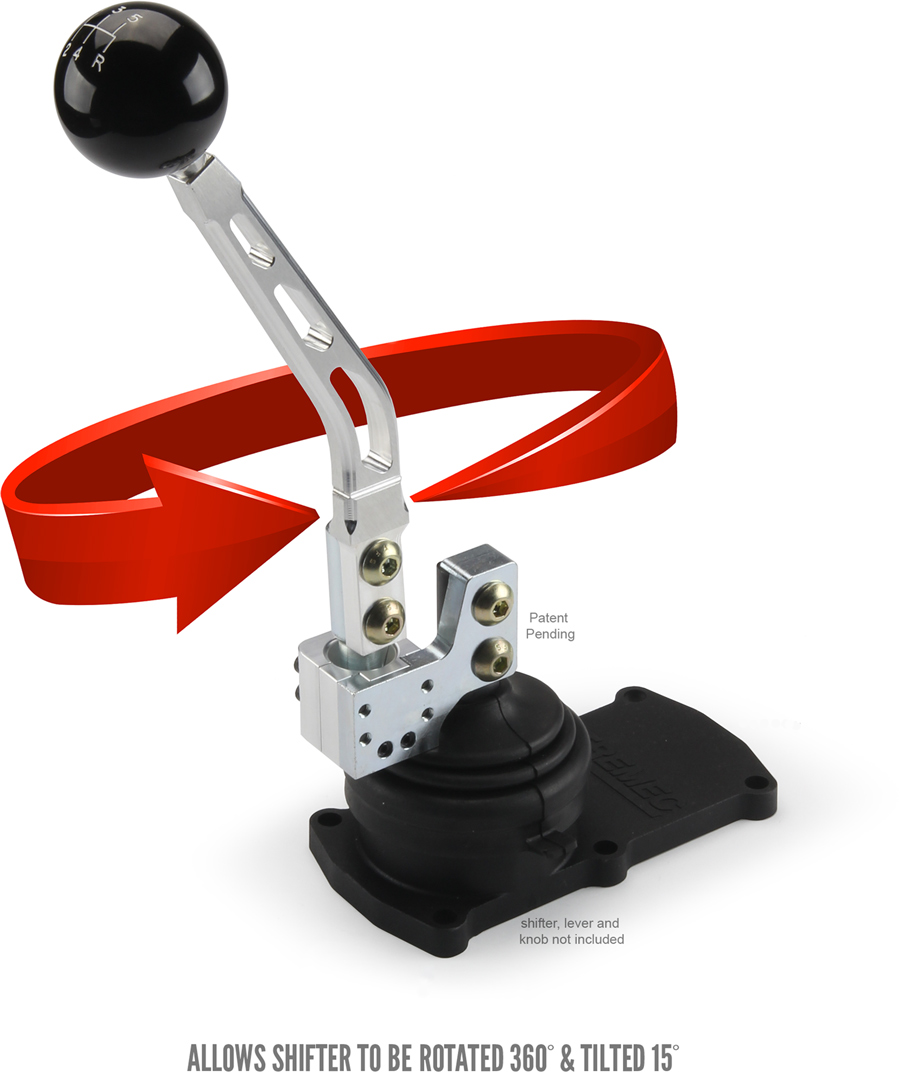
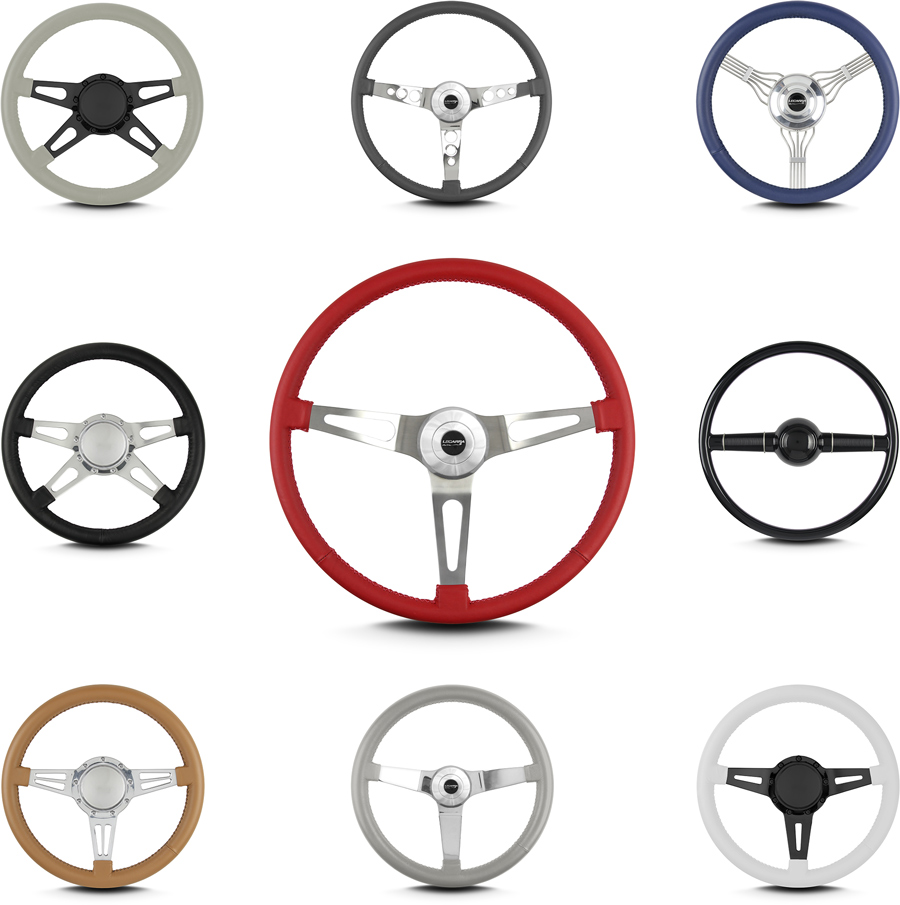
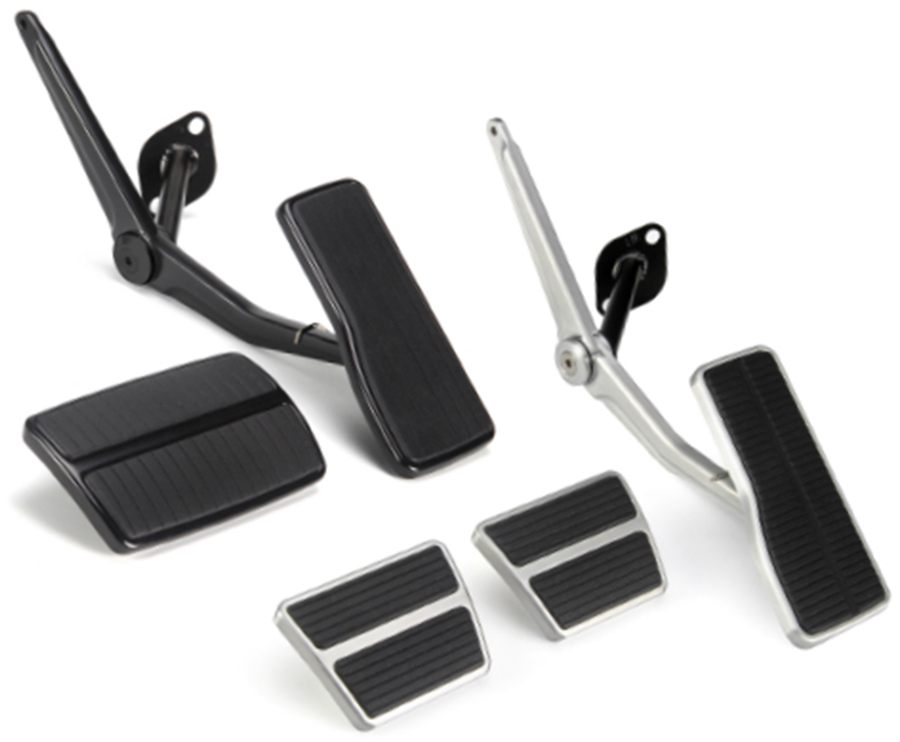



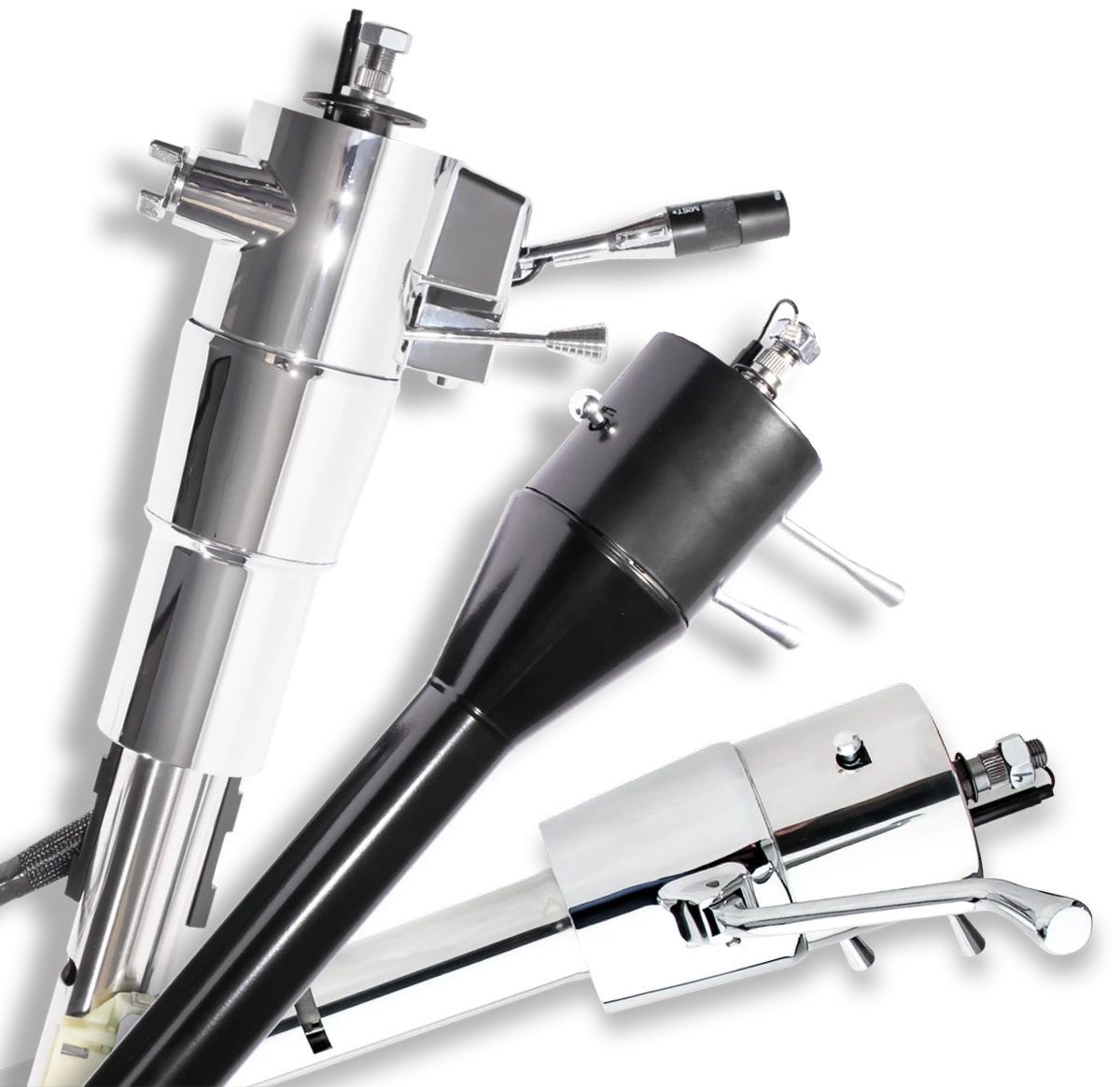
Experience precision and style with Flaming River steering columns. Elevate your driving experience with our cutting-edge technology and uncompromising quality. Transform your vehicle into a masterpiece of control and comfort. Check out Flaming River steering columns and steer your journey with confidence. Made in the USA!

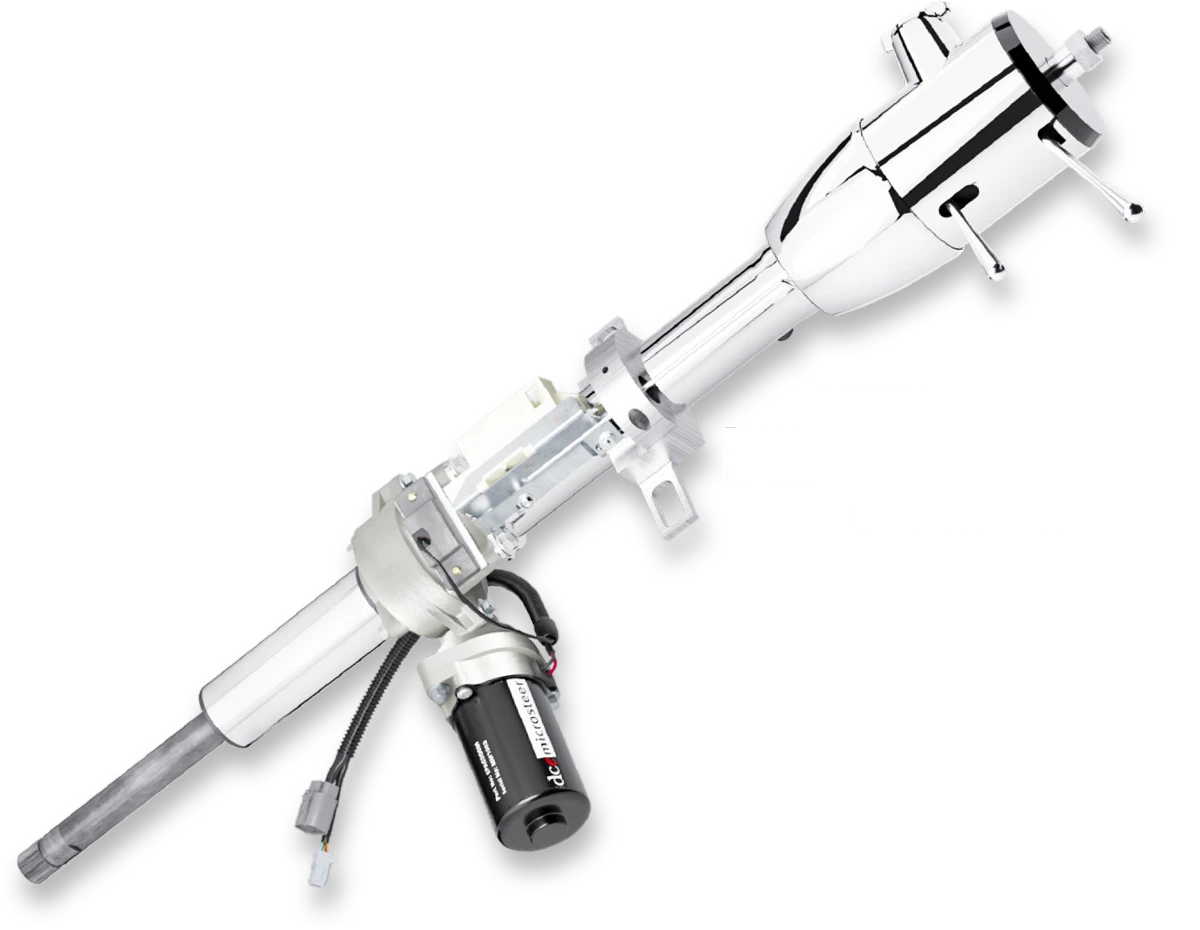
The Microsteer Electric Power Assisted Steering system is integrated into our Flaming River Tilt Column and can be used with the original 68-82 Corvette manual steering box. It’s a Direct Fit!

Experience precision and style with Flaming River steering columns. Elevate your driving experience with our cutting-edge technology and uncompromising quality. Transform your vehicle into a masterpiece of control and comfort. Check out Flaming River steering columns and steer your journey with confidence. Made in the USA!

The Microsteer Electric Power Assisted Steering system is integrated into our Flaming River Tilt Column and can be used with the original 68-82 Corvette manual steering box. It’s a Direct Fit!
The Microsteer Electric Power Assisted Steering system is integrated into our Flaming River Tilt Column and can be used with the original 68-82 Corvette manual steering box. It’s a Direct Fit!




Brian Brennan
Industry News
New Products
Those Supporting Our Industry
Brian Brennan
Abbey St. John’s 1949-51 Merc
By Brian Brennan, Photography by Fuelish Media
Danny Wilson’s 1971 Chevelle
By Grant Cox, Photography by the Author
Ryan Kalil’s 1931 Ford Coupe
By Brian Brennan, Photography by Luke Munnell
Andy Lezotte’s 1965 Chevelle Station Wagon
By Gerry Burger, Photography by Rick Amado
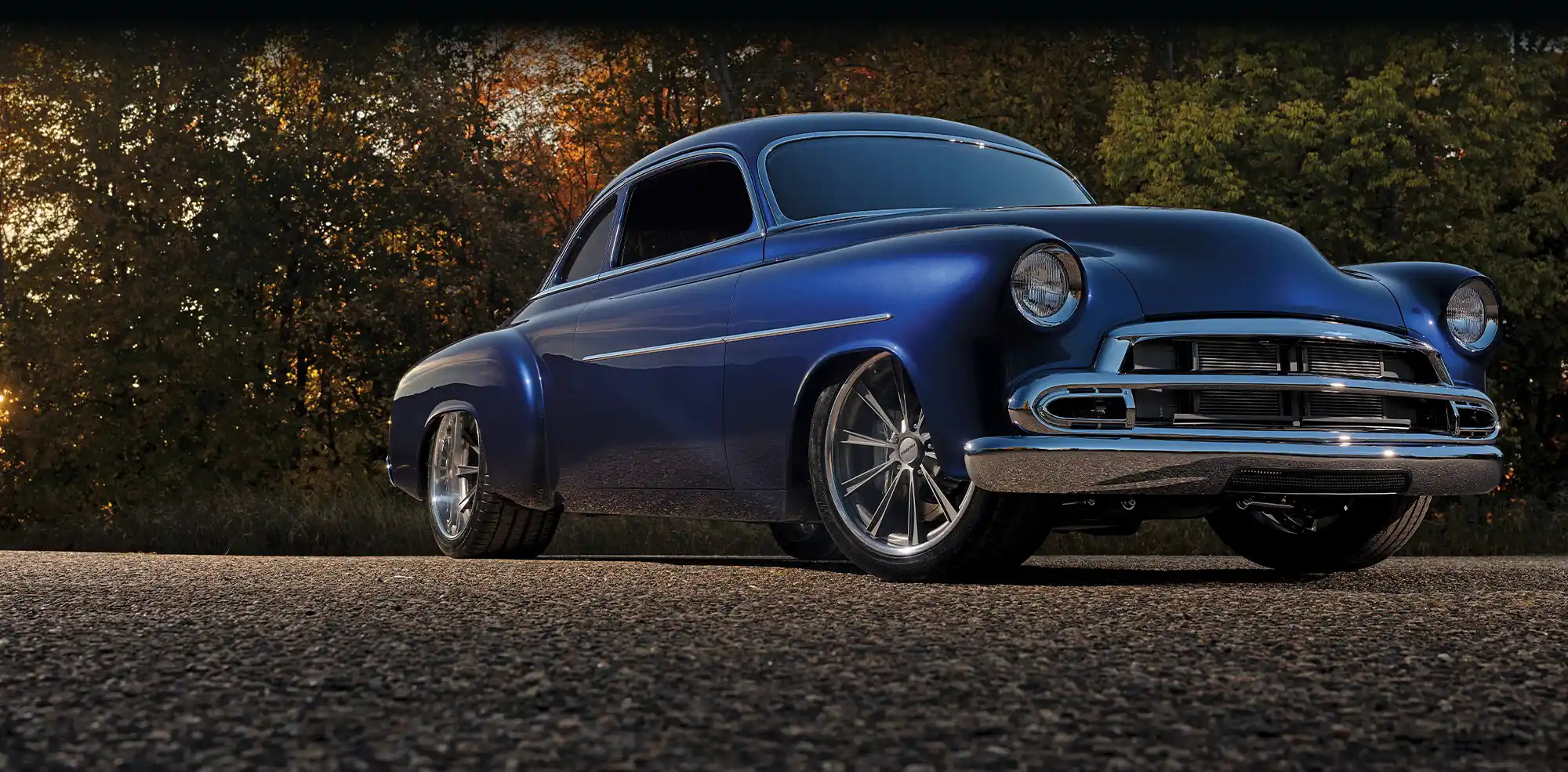
Jeff & Kim Bjustrom’s 1952 Chevy
By Brian Brennan, Photography by NotStock Photography
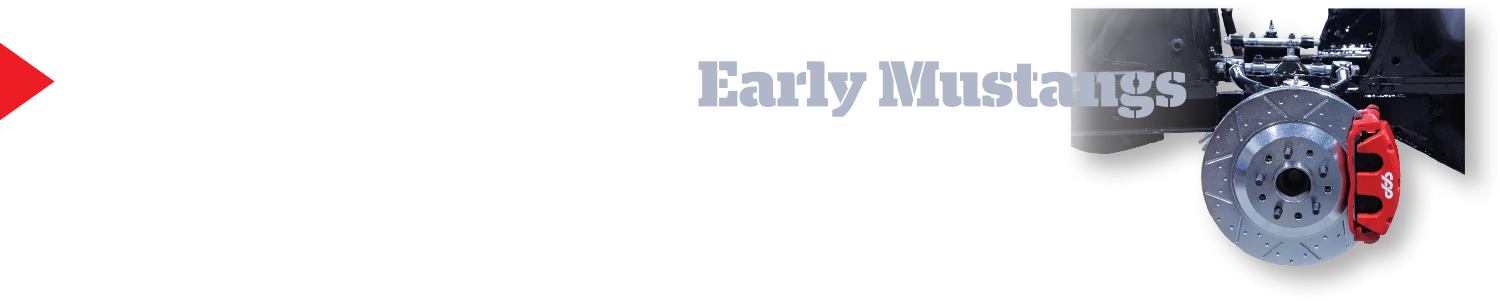
Modern Four-Wheel Disc Brakes for a Vintage Mustang
By Ron Ceridono, Photography by Tate Radford
A History of Corvette Factory Fuel Injection—and the Aftermarket Options
By Barry Kluczyk, Photography by Brian Brennan
Don’t Let the Rock Stock Appearance Fool You
By Gerry Burger
What if the Panel You Need isn’t Available?
By Mark Ehlen, Photography by the Author
A Second-Generation Chevy II Gets a Nose Job
By Ron Ceridono, Photography by Chadly Johnson
Photo by Fuelish Media.











BRIAN BRENNAN
bbrennan@inthegaragemedia.com
TIM FOSS
tfoss@inthegaragemedia.com
YASMIN FAJATIN
yfajatin@inthegaragemedia.com
SARAH GONZALES
sgonzales@inthegaragemedia.com
ROB MUNOZ
rmunoz@inthegaragemedia.com
PATRICIA LUDI
pludi@inthegaragemedia.com
Gerry Burger, Tommy Lee Byrd, Ron Ceridono, Michael Christensen, Ron Covell, Grant Cox, Kev Elliot, John Gilbert, Ken Gross, John Jackson, Chadly Johnson, Barry Kluczyk, Scotty Lachenauer, Ryan Manson, Josh Mishler, Dale Moreau, Todd Ryden, Jason Scudellari, Chris Shelton, Tim Sutton, Chuck Vranas — Writers & Photographers
Travis Weeks Advertising Sales Manager
Patrick Walsh Sales Representative
ads@inthegaragemedia.com
ModernRodding.com
AllChevyPerformance.com
ClassicTruckPerformance.com
InTheGarageMedia.com
subscription@inthegaragemedia.com
(714) 985-9171
InTheGarageMedia.com “Online Store”
For bulk back issues of 10 copies or more, contact store@inthegaragemedia.com


Copyright (c) 2026 In The Garage Media Inc.
Printed in the USA.
The Modern Rodding trademark is a registered trademark of In The Garage Media Inc.


 By Brian Brennan
t’s been said that “If everything seems to be under control, you are not going fast enough.” The first line in my first magazine story went something like this: “Where you go the fastest, it seems the slowest.” I was writing about Bonneville. Turns out that’s true.
When you’re young, speed and adrenaline seem like the best things in life. But as you get older and wiser, comfort and peace become just as important—maybe even more so. Change, risk-taking, and rewards are at the core of hot rodding. When we are young, we tinker and make wholesale changes. We aren’t satisfied with the performance or the looks. We often want change for change’s sake. That’s what we do when we are young.
But I’m pretty sure, by now, even the young ones among us realize that life continues and that we don’t stay young; we get older. I’m going to go out on a limb here and say that most hot rodders, during their formative years, tried all kinds of things with whatever project they had at the time. But for sure, at some point, we try to make everything go faster, but we’d best make sure it stops. Those early days also gave me insight that the less there was on my hot rod that I didn’t need to pay attention to, the more time (and budget) I could spend making it go faster. Hence, items such as power brakes or power steering, A/C, enhanced stereo systems, and similar “luxuries” were verboten. They added weight, drained the car’s performance, and hence had no significant reason to be around. Lightweight was good because it was faster.
 BY BRIAN BRENNAN
 Goodguys 2025 Classic Instruments Street Rod of the Year
Built by Rad Rides by Troy in Manteno, Illinois, this roadster showcases over two years of craftsmanship. Unlike typical builds that start with old bodies or rusty remains, the Rad Rides team entirely fabricated the body, incorporating innovative modifications while preserving the car’s 1936 Ford identity. It features a custom Porsche green metallic paint and a custom lift-off top.
Mounted on a fully custom chassis, the roadster features a torsion bar suspension with wishbone-style radius rods and a quick-change rear axle, all riding on unique, handcrafted wheels. Power comes from a vintage 312ci Ford Y-block, supercharged by a McCulloch unit through three throttle bodies designed to resemble classic carburetors.





 Photography by Fuelish Media
here are many places we wish we were right now, but I imagine Lahaina, Hawaii, would be on many a hot rodder’s dream list. So, excuse us when we say that Abbey St. John of Lahaina is both lucky and fortunate because he not only lives in “paradise” but also drives a 1949 Merc custom built by Dave Shuten of Galpin Speed Shop. In 2017, Shuten launched a new division of Galpin Auto Sports called Galpin Speed Shop, which specializes in period-perfect hot rods, customs, and restorations of historically significant cars.
There’s little denying that the 1949-51 Mercury era has become “the” car to customize. It’s as iconic a custom as the 1932 Ford is as a hot rod. (Let the debate begin, “Is a custom also a hot rod?”)


 Photography By Tate Radford
or most hot rodders, nothing compares to the thrill of being pushed back into the seat by serious acceleration—all it takes is horsepower. On the other hand, not being able to bring that same car to a quick stop when needed can be another kind of excitement, though much less satisfying—the solution for that problem is more stopping power. Colin Radford is tackling both issues; his 1965 Mustang fastback will rely on a built FE Ford V-8 for horsepower, while four-wheel disc brakes from Classic Performance Products (CPP) will provide the stopping power.
All brakes depend on friction between two surfaces to stop the car. Unfortunately, friction produces heat, and heat is the enemy of brakes. As brake components heat up, the coefficient of friction between them decreases, causing the brakes to lose effectiveness. This is called brake fade. If you’ve ever driven a car down a steep grade and noticed it took more and more brake pedal pressure to slow down, you’ve experienced brake fade.


 Photography by the Author
n a sweltering summer day in 2019, Danny Wilson received an intriguing call from a friend. A storage building was being cleared out and inside sat what was believed to be a 1967 Chevelle. His friend encouraged Danny to check it out and see if it was worth saving.
Upon arriving, Danny’s excitement quickly turned to amusement; the car wasn’t a 1967 at all but rather a 1971 Chevelle. The condition, however, was less than promising. The car was in pieces, poorly neglected, and it appeared the previous owner had begun dismantling it for reasons unknown. Yet, amid the chaos, one remarkable detail stood out: there was not a hint of rust. Beneath the debris lay solid metal, making this Chevelle a worthy candidate for resurrection.

 Photography by the Author
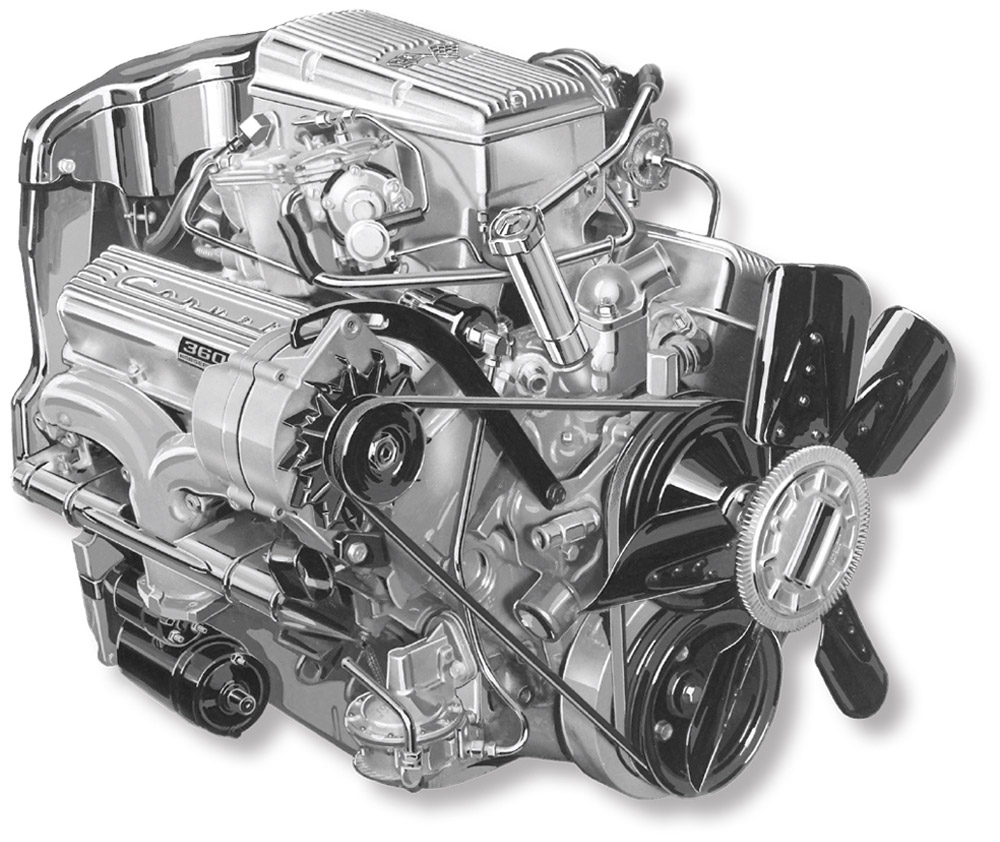
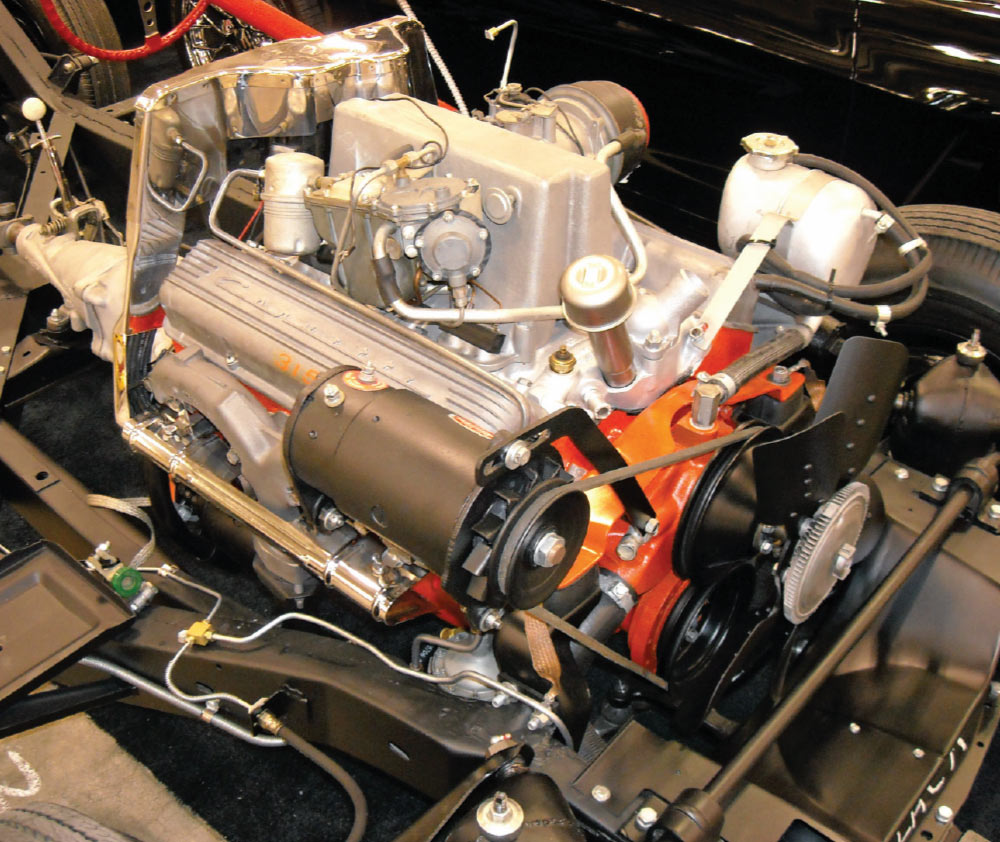
here have been many major mechanical innovations in the auto industry, from Charles Kettering’s electric starter to the automatic transmission, antilock brakes, and more, but few have been as significant as the development of electronically controlled fuel injection.
Fuel injection had existed for decades in various forms, but it wasn’t until the advent of advanced electronic control systems in the early 1980s that it became a leading technology for lower emissions and improved efficiency. Ironically, it also became a key factor in high performance—both from the factory and in enthusiasts’ garages.
We’re building a fuel-injected, small-block for our C3 Corvette project, which sparked a discussion about the history of carburetor alternatives in Corvettes, as well as the growth and evolution of aftermarket systems. There’s a lot to cover on this detailed topic, so we’ll keep things at a high level.


 Photography by Luke Munnell
ime and time again, we hear about a dad’s project being passed down to his son, who then passes it onto his son. But occasionally, we hear a story that’s a bit “cooler.” This generational story still has a grandpa, but now it involves a granddaughter instead.
Here’s one Model A, a 1931 Ford coupe that has passed to the hands of Ryan Kalil’s wife, Natalie, from her grandfather to her. Her grandfather, nicknamed “Jav,” is a lifelong hot rodder. Jav’s 1931 Ford coupe was a significant part of his life, and Ryan and Natalie wanted to ensure it was rebuilt into a beautiful hot rod that the family could enjoy for years to come.

 By Gerry Burger
he station wagon, once relegated to chores related to family life, was the body style of choice for soccer moms, Little League coaches, family vacations, and occasionally seen towing a drag car to the track. And, of course, who could forget the 1954 Dodge station wagon and camper trailer that made up the first NHRA Drag Safari. Yes, it was versatile, roomy, and, for the most part, form followed function. Speaking of form and function, by the 1960s, the desirable weight transfer of the station wagon had been discovered, and station wagons were in the thick of drag racing in a wide range of classes, many complete with candy stripe roofs … but I digress. The completely boring SUV has made modern station wagons a rarity, but the charm and allure of a vintage wagon is not lost on the hot rod community. You can include longtime Chevy guy Andy Lezotte of Morgan Hill, California, in that group.
Lezotte and Rodger Lee, at Ironworks Speed & Kustom, have teamed up on hot rods before, with the last being a 1969 Chevelle. When Lezotte found a remarkably original 1965 Chevelle station wagon, he immediately envisioned what could be done with it and knew exactly who could make that vision come true. It was to be a modern take on the classic “sleepers”—a car with a stock, understated exterior but all business underneath.


 Photography by Rick Amado
h yes, the station wagon. There was a time long ago when no respectable estate was without one; some even called them Estate Wagons. How else would you get to and from the train station for travel or to pick up guests? Original station wagon bodies were made of wood (hence the beloved term “Woodies”), and that wooden body no doubt is responsible for the second part of the term station wagon. Wood was replaced by steel, but the layout stayed the same—multiple rows of seats with a rear luggage area and often a roof rack. It seemed every family had one in the 1950s and 1960s. None of this was lost on longtime Chevy enthusiast and family man Andy Lezotte of Morgan Hill, California.
It seems Andy faced a challenge. Now married with three kids, he wanted to combine his happy family with 700 hp—something we should mention he really likes. It didn’t take long for him to imagine a nice midsize family station wagon. Nothing groundbreaking, but a vintage wagon with some character. When he found a “cherry” 1965 Chevrolet Malibu station wagon, he knew he had found the perfect vehicle for a family of five plus those 700 horses he loved. Close inspection showed it was an original paint, well-maintained car, and it didn’t take long for Andy to seal the deal.
Getting a good hot rod built requires a certain harmony between the owner and the builder. Andy found his harmonious shop several years ago when he had a 1969 Chevelle built. The shop is Ironworks Speed & Kustom where Rodger Lee creates great hot rods of all kinds. A couple of “bench racing sessions” made sure they were on the same page. Since the original paint was weathered to perfection, this wagon would be built in today’s popular patina style.

 Photography by THE AUTHOR
e are probably living in a time like no other before this. Never have there been more parts, services, and expertise available to help with Mopar restorations than there are today. Even if you start with nothing but a basic shell, even the most decrepit E-body can be restored to showroom-new quality. Unless your car has been completely mangled (and sometimes even then, if you know the right shop), most of the sheetmetal you need is available from sources like Auto Metal Direct (AMD).
Fortunately, collision damage isn’t the biggest problem. Rust is. And it’s always worse than it appears. Only after the car is chemically stripped can a proper assessment be made of the metal panels needed.




Photography by NotStock Photography
here are countless reasons for someone to build a hot rod. But listening to Jeff and Kim Bjustrom, who grew up in a small farming community in Iowa, it’s the memories made on the farm that have stayed with them. Kim’s dad owned an old 1952 Chevy. Sometimes they’d ride around with a calf in the back seat. For Jeff and Kim, building this 1952 Chevy custom was about bringing back memories of Kim’s parents and their family’s legacy.

 Photography by Chadly Johnson
here is no question that in the last 15 years or so, the quality of hot rods being built has reached an all-time high. While budgets and build styles differ, the one thing all these first-class cars share is the attention paid to small details often overlooked. A good example is the modified core support on the 1967 Chevy II being built at MetalWorks Classic Auto Restoration.




View Index
- AFFORDABLE STREET RODS
- AMERICAN AUTOWIRE
- AMERICAN CAMARO ASSOCIATION
- ART MORRISON ENTERPRISES
- AUTO METAL DIRECT
- AUTOMOTIVE RACING PRODUCTS
- BALL’S VINTAGE GLASS
- BOWLER PERFORMANCE TRANSMISSIONS
- CLASSIC INSTRUMENTS
- CLASSIC PERFORMANCE PRODUCTS
- CLASSIC PERFORMANCE PRODUCTS
- CRUISIN THE COAST
- CUSTOM AUTOSOUND
- DAKOTA DIGITAL
- EATON DETROIT SPRING, INC.
- FITECH EFI
- FLAMING RIVER INDUSTRIES
- FLAMING RIVER INDUSTRIES
- GOODGUYS
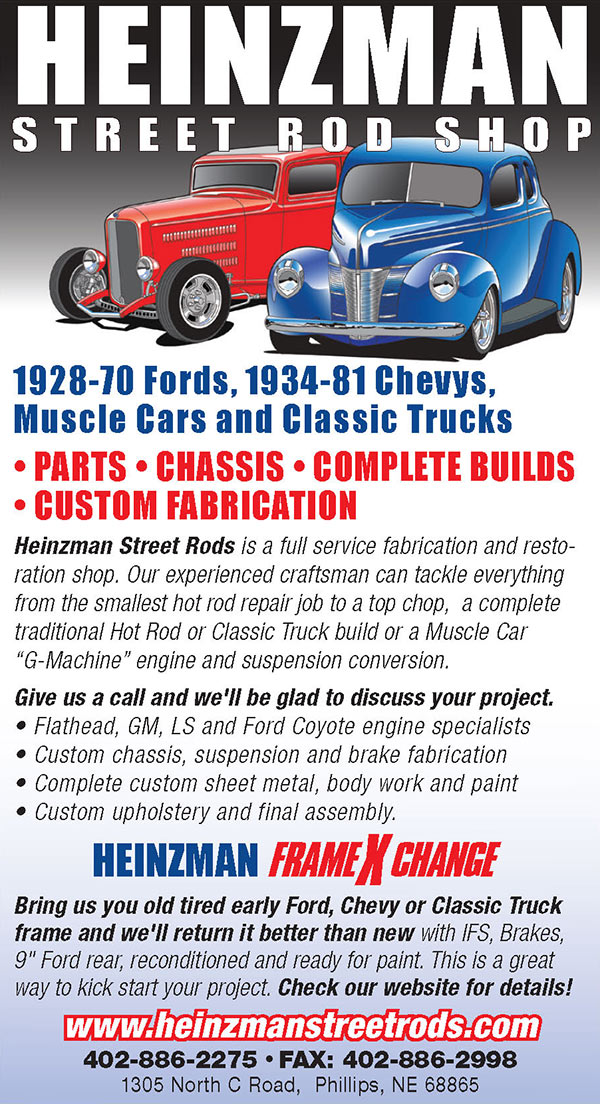
- HEINZMAN STREET ROD SHOP
- HEMMINGS
- HOT HEADS RESEARCH
- LOKAR
- LOKAR
- NATIONAL STREET ROD ASSOCIATION
- NOTCHEAD FASTENERS
- PAINT OVER RUST PRODUCTS
- PHOENIX MACHINE PRODUCTS
- POWERMASTER PERFORMANCE
- PURE CHOICE MOTORSPORTS
- SALTWORKS
- SCHWARTZ PERFORMANCE
- SCOTT’S HOTRODS
- SPECIALTY AUTO PARTS USA, INC.
- STEELE RUBBER PRODUCTS
- SUMMIT RACING EQUIPMENT
- TRIPLE CROWN OF RODDING, LLC
- WHEEL SMITH
- WILWOOD ENGINEERING

 With Dennis “Denny” Lesky behind the wheel, this is how we see Regret today. Note the flat-tow brackets coming off the framehorns—all of us have been there.
 By Brian Brennan
hile attending the 2025 Triple Crown of Rodding, I ran into an old friend who brought his even older hot rod. “Regret” is a 1932 Ford sedan owned by Dennis “Denny” Lesky and has a history unlike any other hot rod. I visited the Ionia Hot Rod Shop in Ionia, Michigan, some 20 years ago. Back then, Denny and his son, Matt, ran the shop and built true-to-the-last-rivet original hot rods. They were among the coolest modern-day hot rods, built to look just as they would have back in the day.
While doing my due diligence, wandering over, under, and through everything that was anything at the shop, I came across Denny’s ride—a 1932 Ford sedan with a history as both a drag car and a street rod. It features a subtle Vern Abbey 3-3/4-inch top chop and dry lakes–style A-pillars that angle the windshield back ever so slightly. This Deuce sedan has never been off its framerails since the day it rolled out of the Ford River Rouge Plant. (Think about that for a minute!) It was the end of the day, the dead of winter, and we were going to the Detroit Autorama the next day when Denny told me to jump in and we would go for a ride. Well, being a dutiful journalist, how could I turn down the opportunity? Let’s think back. It was late in the day, the sun was setting, it was the middle of winter, there was a light wind, there were no windows (maybe a windshield and back glass, but the doors and quarters were vacant of any “sand”), or at least if there were, they didn’t work, and the gaps in the floorboards and doors would “allow” in the full unfettered winter climes. I sat there on the race-inspired bucket and watched the Stewart-Warner gauges, envious of the water-temperature gauge with its three-digit heat reading! In other words, I damn near froze to death. All the while, Denny was having a ball as he laughed at this West Coast wimp. Upon coming to the end of our “brisk” drive, it wouldn’t be until Friday night of the Detroit Autorama before I genuinely got the feeling back in my toes.
