


 PHOTOGRAPHY BY BRIAN BRENNAN & COURTESY OF DETROIT SPEED
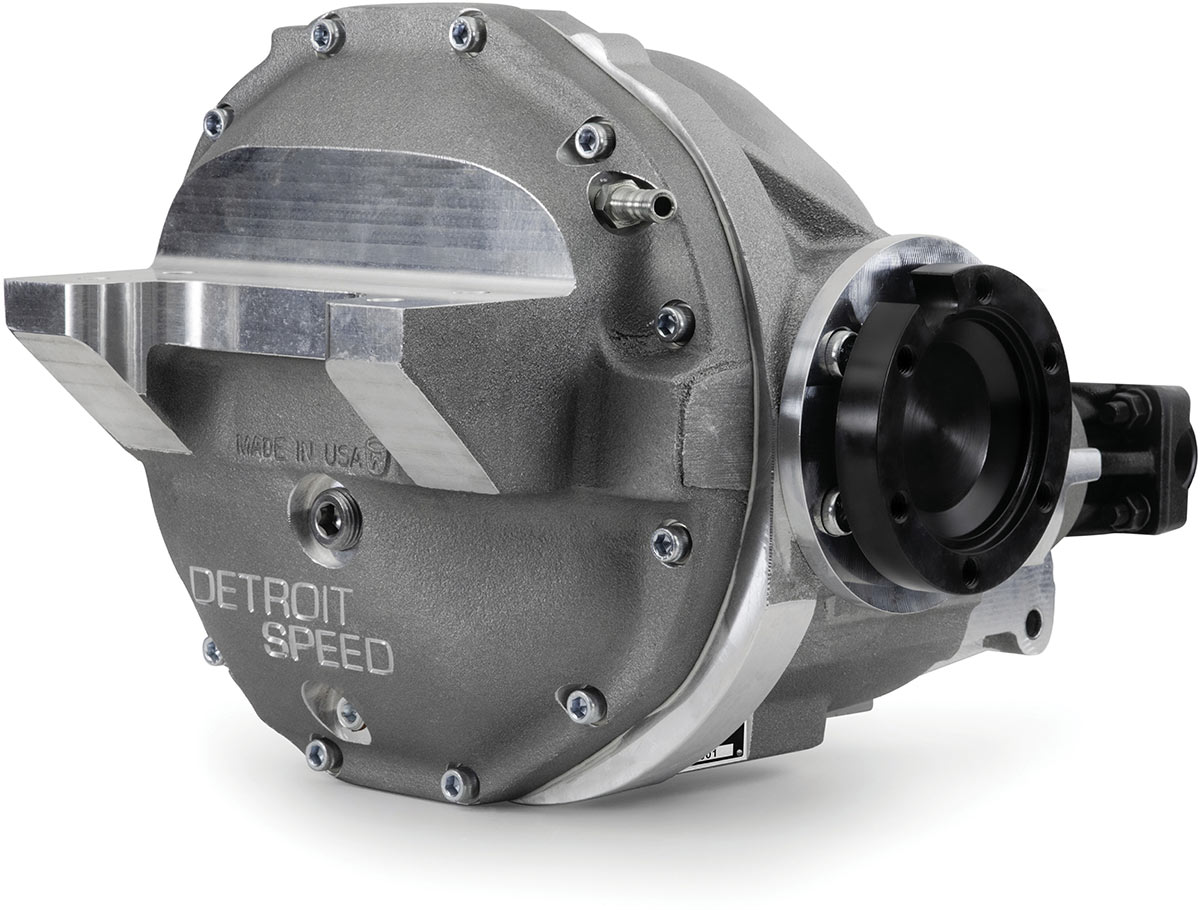
ithout a doubt, the independent rear suspension that debuted in the 1963 Corvette Sting Ray (and was used in all Corvettes until 1982) was a sea change in how the domestic auto industry approached mass-produced performance. Today’s horsepower and torque leave these C2 and C3 Corvettes in the dust. Hence, Detroit Speed’s ZR12 rear center section is “comfortable” with 12-bolt strength, 33-spline Truetrac precision, and 1,200 hp.
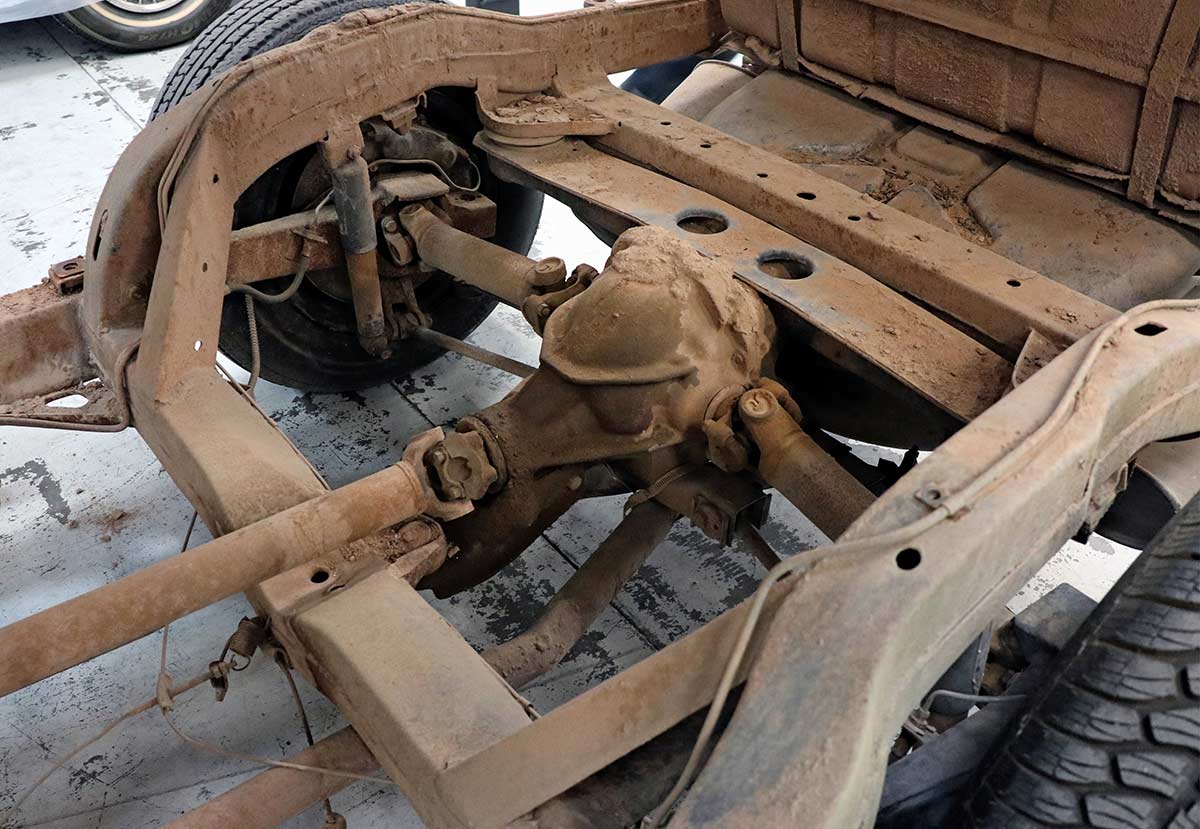
Like a light switch being flipped on, handling had become a key concern alongside horsepower—something Zora Arkus-Duntov had been telling GM from the get-go in 1954. The third-generation Corvette continued the IRS theme and solidified the Corvette’s cornering pedigree, but beneath the skin, the design had hidden weaknesses that would manifest as sheared halfshafts and broken differentials. That’s what happens when the bill of materials is determined by accountants instead of engineers.
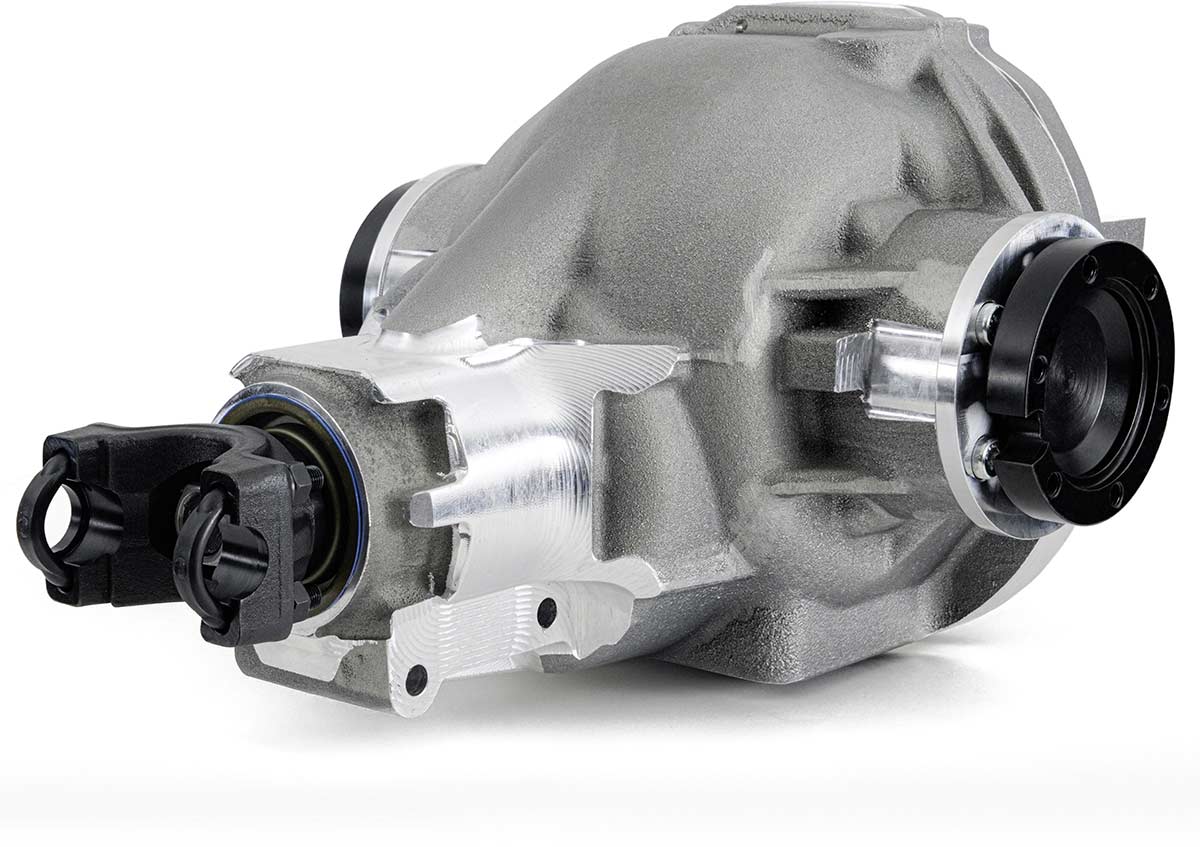
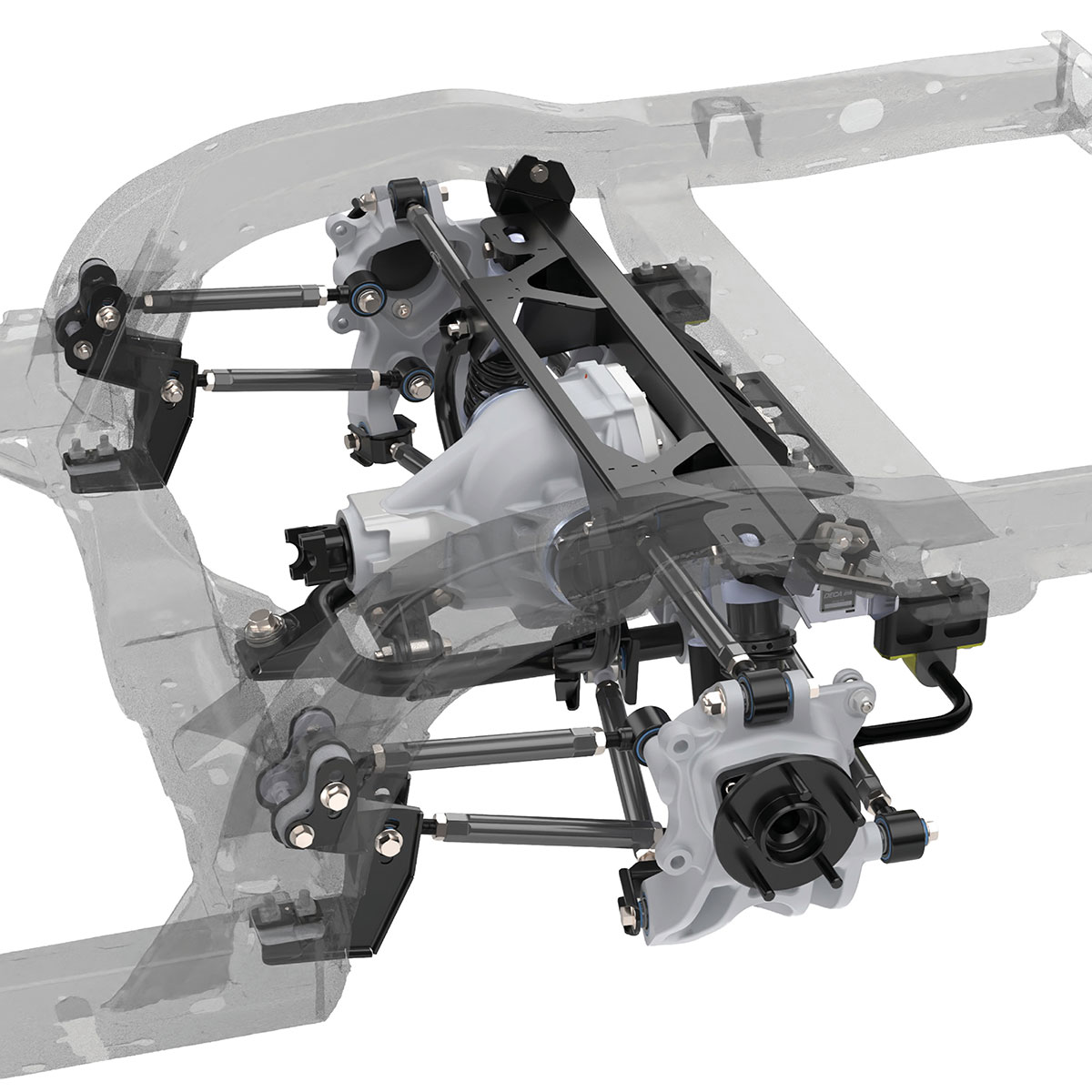
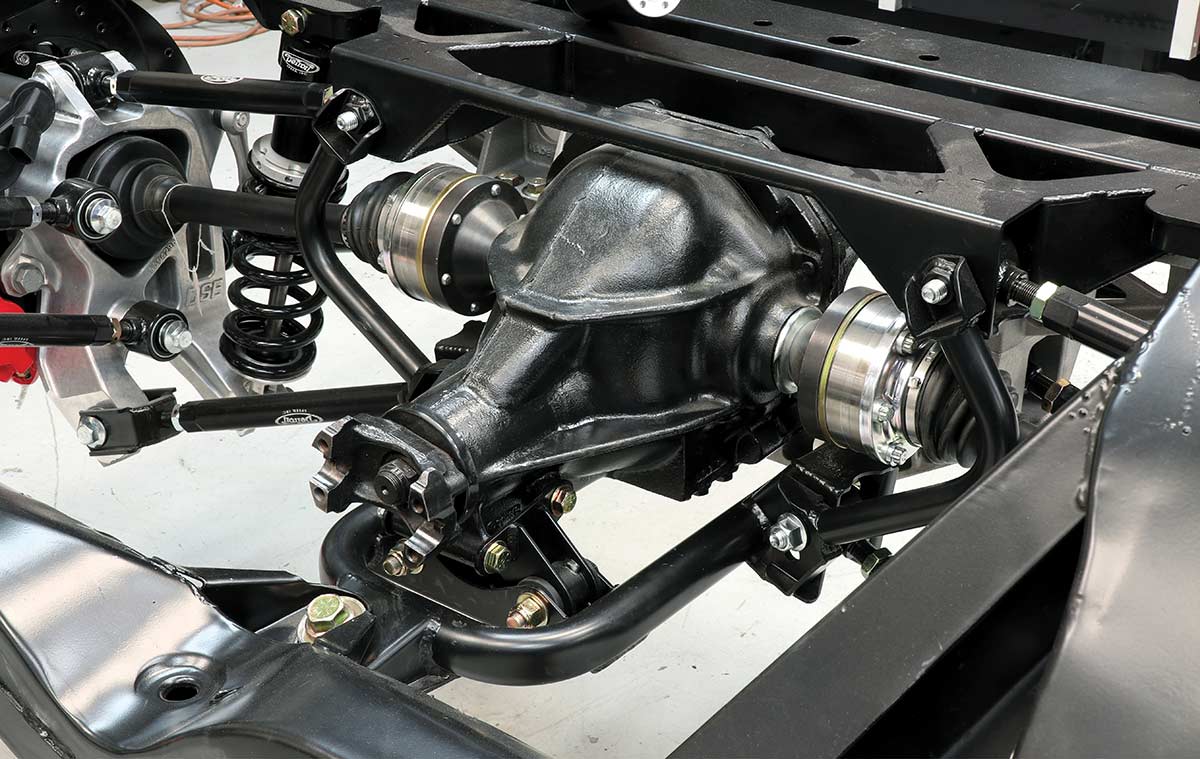
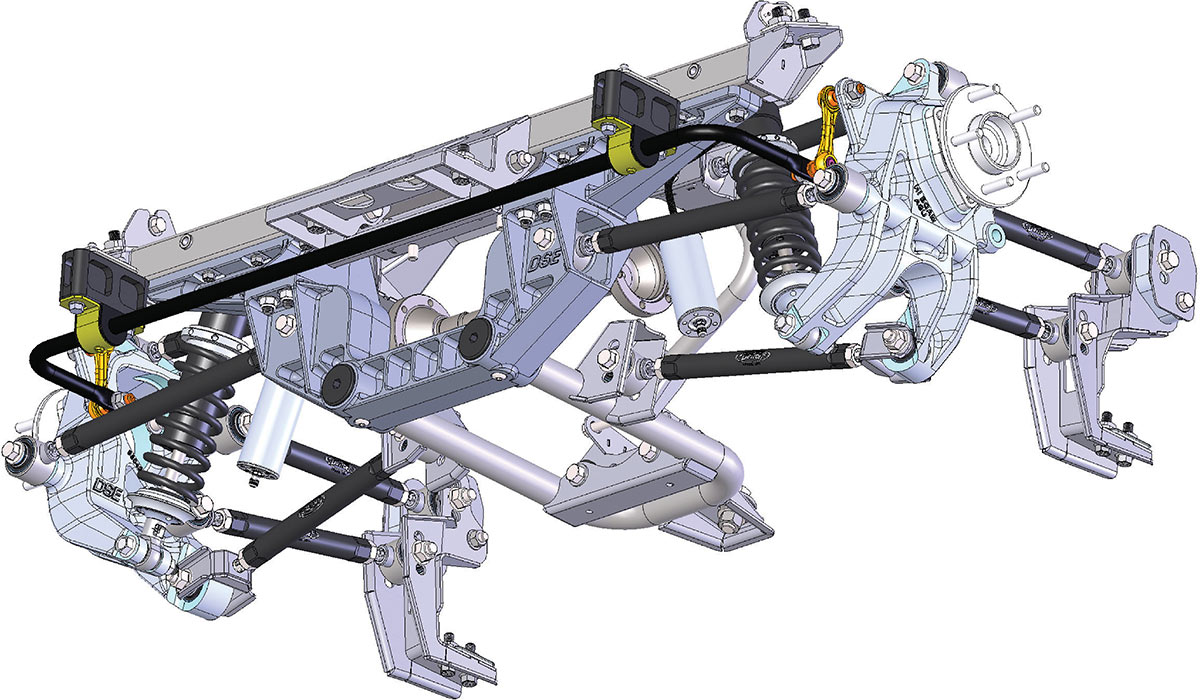
Maybe it’s a bit unfair to call the factory IRS “weak” when breakage is partly due to the wild rise in horsepower and tire compounding in recent decades. The reality is pragmatic: the original C2/C3 driveline was never intended for modern sticky tires and 1,000-plus-horsepower swaps, and Detroit Speed’s DECALink conversion exposed a gap—suspension that could handle the loads but no center section robust enough to transmit them reliably. Detroit Speed’s ZR12 center section proved to be the answer, a fully assembled, bolt-in unit engineered specifically for DSE’s DECALink IRS. “What it came down to was the C2 and C3 Corvette factory differentials are known to be pretty weak,” DSE’s senior product manager, Nate Peterman, says. “With the addition of the Detroit Speed DECALink rear suspension, we got in a situation where we have a suspension that’ll hold a thousand horsepower and handle really well, but we didn’t have a differential option to support it.”
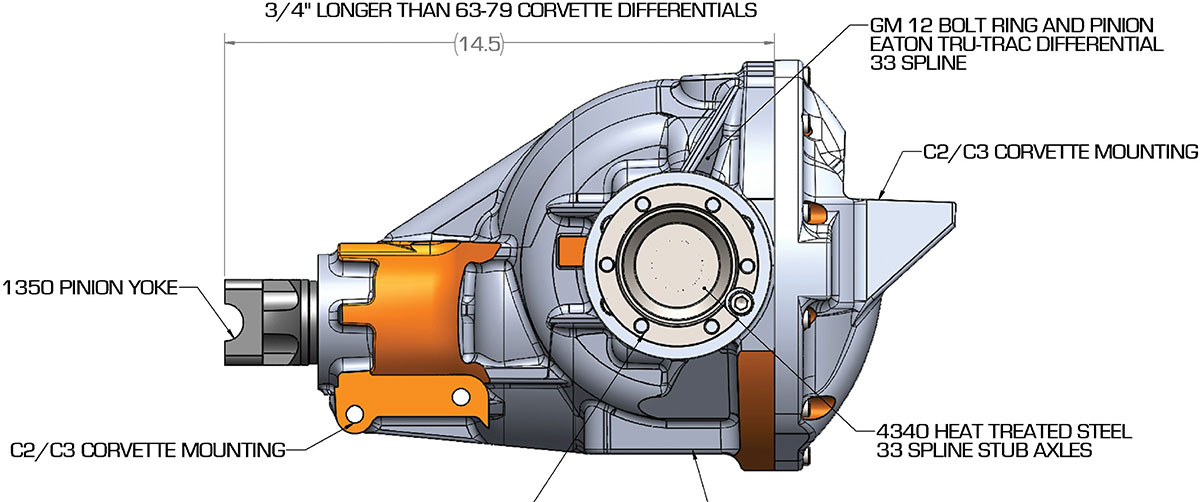
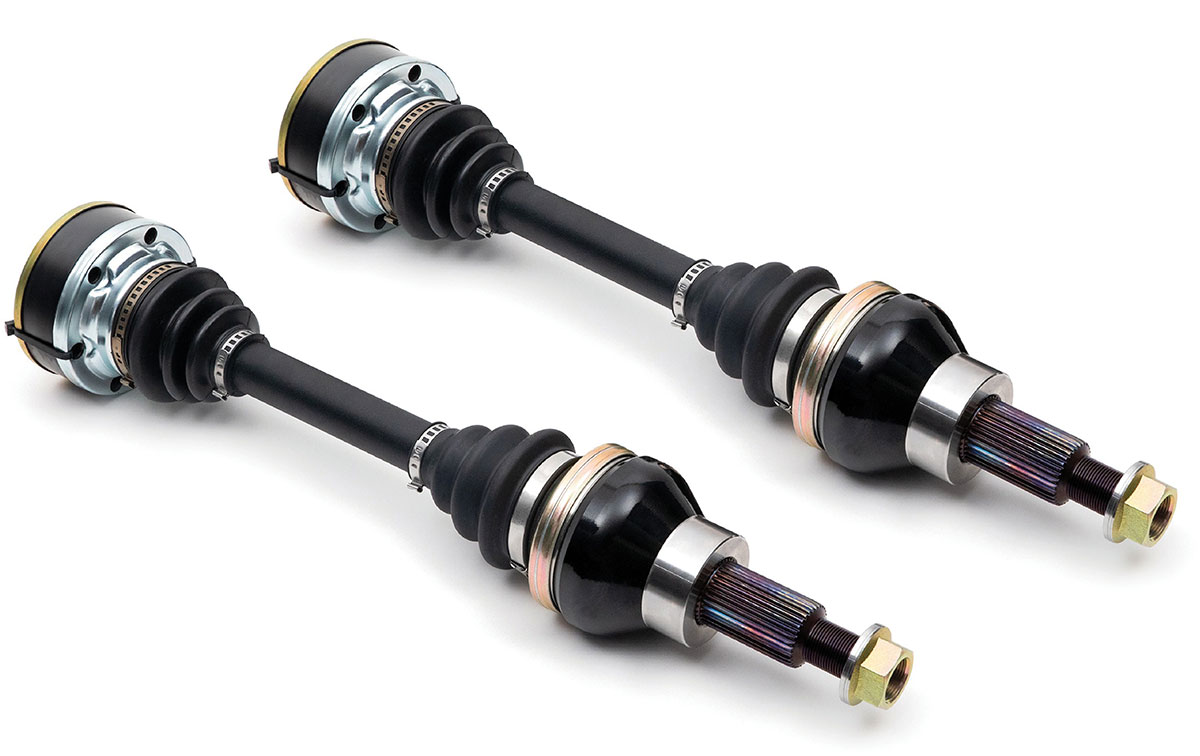
Detroit Speed’s ZR12 center section supports up to 1,200 hp, making it suitable for modern LS/LT swaps and big-block builds; it pairs a lightweight, high-strength aluminum housing with proven GM 12-bolt internals and an Eaton Truetrac helical gear differential on a 33-spline halfshaft. This combination yields a compact package with high torque capacity, improved heat dissipation, and lower unsprung mass—attributes that matter when you’re tuning for autocross or road course work and need a drivetrain that won’t be the weak link. Peterman: “The GM 12-bolt uses an 8-7/8-inch ring gear and has wide aftermarket support. It’s the same 12-bolt differentials you found in all the big-block Chevelles and Camaros, and there’s tons of history with that rear end handling a lot of power.”
Gear choices and finish options let builders tune the ZR12 to mission profile: 3.55, 3.73, or 4.11 ratios, each available as a standard build or an optional REM-polished ring-and-pinion. Current ratio offerings are limited to these three due to popularity, but any 12-bolt ratio can be used. “For an additional [$200] upcharge, we REM Polish the ring-and-pinion,” Peterman explains. “The advantage of this process is less friction and lower operating temps. REM polish is very common in the racing industry, and with us being in Mooresville (North Carolina), it’s kind of inherent in our nature to have some racing technology built into our streetcar products.”
Beyond specs, the ZR12 is a systems solution: fully assembled, direct fit to DECALink, and rated to 1,200 hp so builders don’t have to jury-rig conversions or rely on niche 30-spline halfshaft solutions that were never mass-market commodities. “If you’re building a high-horsepower Corvette, the factory differential is only rated to about 400 hp with the 17-spline,” Peterman says. “The ZR12 is rated to 1,200 hp. You have GM 12-bolt internals. It’s a 33-spline Truetrac differential, upgraded over a standard 12-bolt 30-spline. It’s fully assembled when it arrives, ready to bolt right into a DECALink system, so you have complete confidence that the gear setup is correct.”
For the restorer seeking modern capability without compromise, the ZR12 and DECALink represent a thoughtful evolution: retain the Corvette’s character while replacing fragile load paths with engineered links and modern driveline hardware. As Peterman puts it, “We’ve brought the complete solution in-house, so the customer has a one-stop shop for all the components they need.” The result is a drivetrain that finally matches the handling promise first set by the Sting Ray—only now it’s built to survive the horsepower era.


detroitspeed.com