






Pays Off!
531 HP From A
Homebuilt LS 383
Firewall Fix
Rear Crossmember Cure

Preview Issue




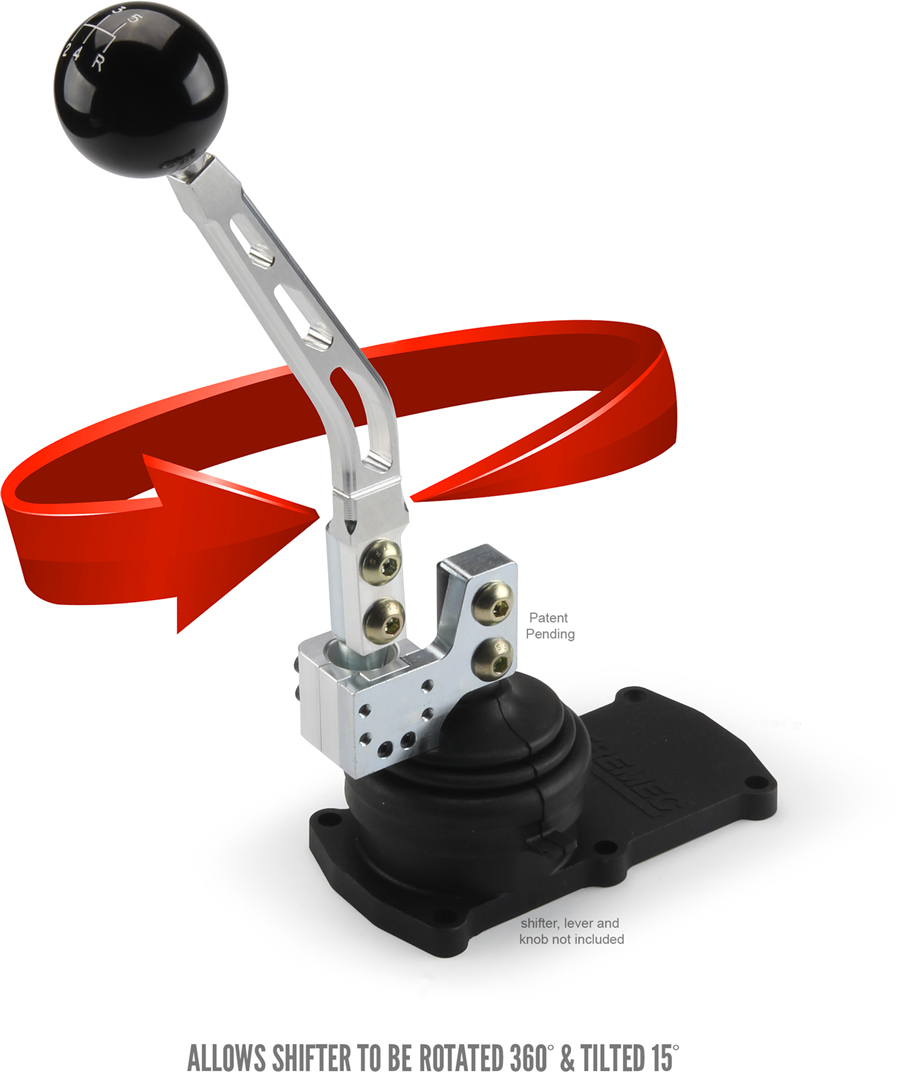
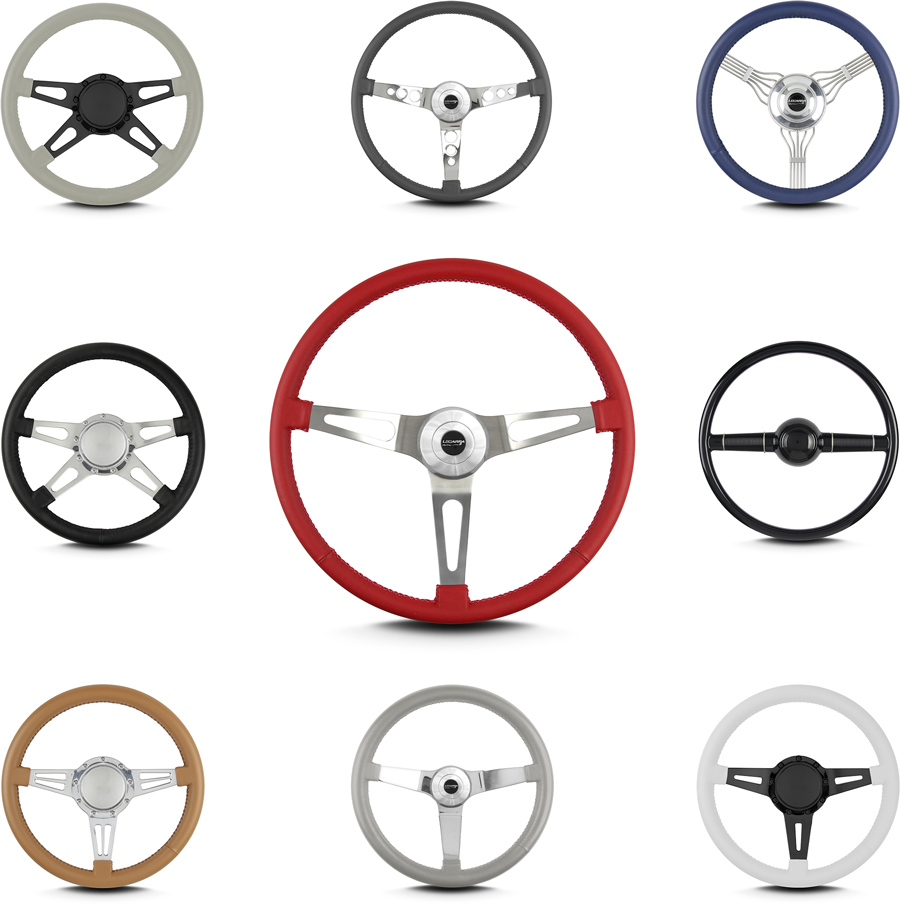




 BILLET COLUMN DROPS
 SWIVEL FLOOR MOUNTS
 ITALIAN STEERING WHEELS
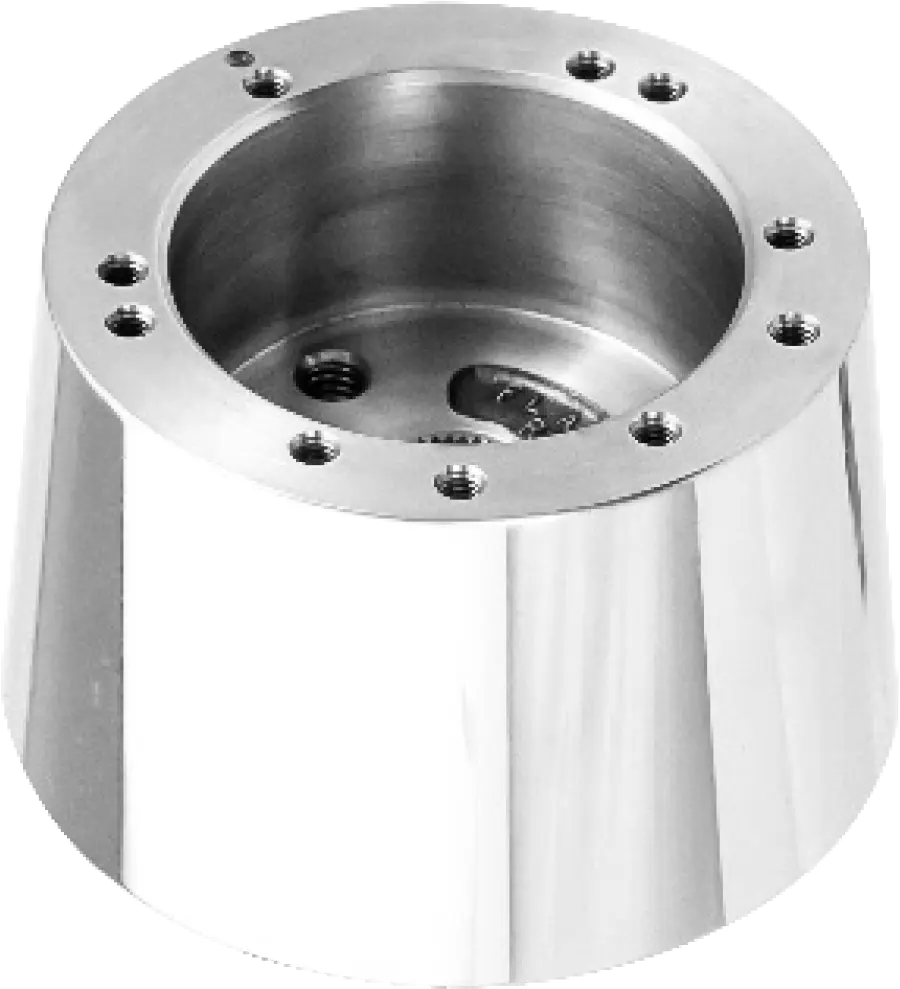 BILLET WHEEL ADAPTERS
 WHEEL AND ADAPTER KITS

 UNIVERSAL JOINTS

Brian Brennan
Industry News
New Products
Those Supporting Our Industry
Brian Brennan
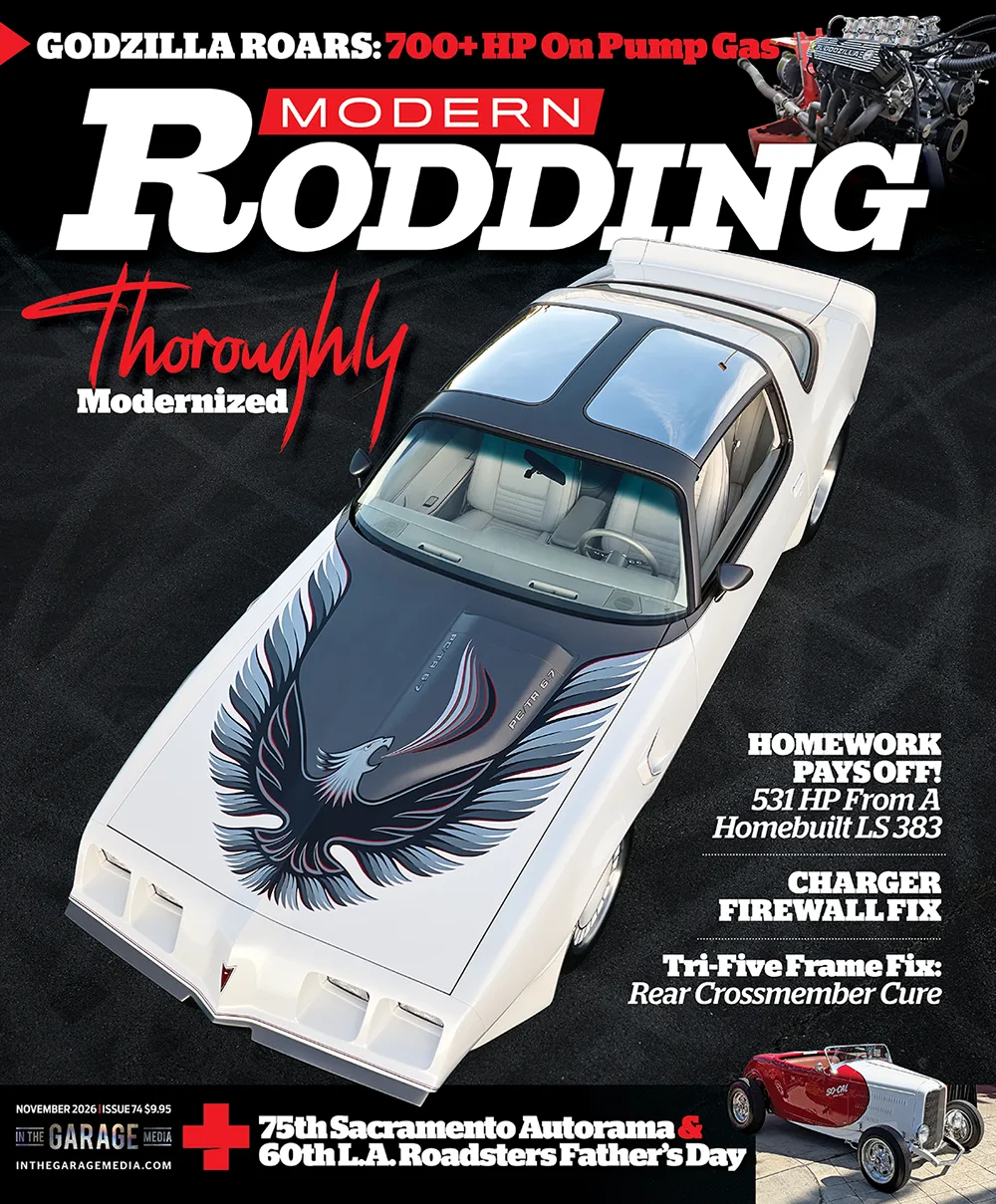
Angie Johnson’s 1980 Firebird Trans Am
By Johnny Hunkins, Photography by NotStock Photography
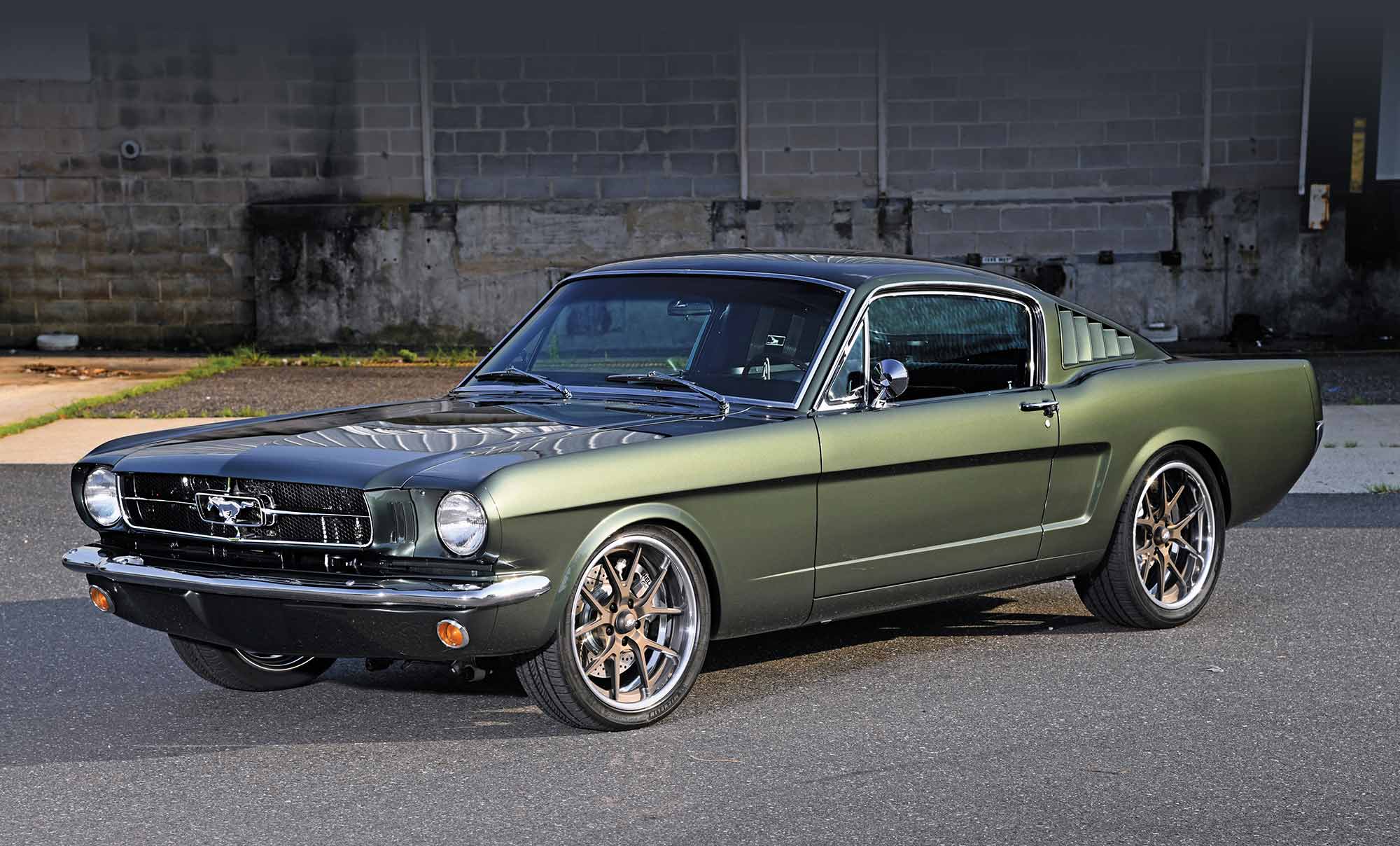
Brian Schneider’s 1965 Ford Mustang Fastback
By Scotty Lachenauer, Photography by the Author
Stanley Chavik’s 1932 Ford Highboy Roadster
By Brian Brennan, Photography by Fuelish Media
Gilbert Roman’s 1966 Chevelle Convertible
By Scotty Lachenauer, Photography by the Author
What Started in California, Ends in California
By John Gilbert, Photography by the Author
Change is Good
By Brian Brennan, Photography by the Author
7.3L Ford Godzilla is the Perfect Swap Monster
By Evan J. Smith, Photography by the Author

Establishing a Solid Foundation for Our 1955 Chevy Wagon
By Ron Ceridono, Photography by Brian Brennan & Ryan Manson
Videography by Ryan Foss Productions
Hunter Hay Builds a 383ci LS After School
By Ron Ceridono
Reworking the Firewall, Cowl & Roofline
By Ron Covell
Photo by NotStock Photography.










BRIAN BRENNAN
bbrennan@inthegaragemedia.com
TIM FOSS
tfoss@inthegaragemedia.com
YASMIN FAJATIN
yfajatin@inthegaragemedia.com
SARAH GONZALES
sgonzales@inthegaragemedia.com
ROB MUNOZ
rmunoz@inthegaragemedia.com
PATRICIA LUDI
pludi@inthegaragemedia.com
MEKENZIE MURPHY
mmurphy@inthegaragemedia.com
Gerry Burger, Tommy Lee Byrd, Ron Ceridono, Michael Christensen, Ron Covell, Grant Cox, Kev Elliott, John Gilbert, Ken Gross, Johnny Hunkins, John Jackson, Chadly Johnson, Barry Kluczyk, Scotty Lachenauer, Ryan Manson, Josh Mishler, Dale Moreau, Todd Ryden, Jason Scudellari, Chris Shelton, Tim Sutton, Chuck Vranas
Travis Weeks Advertising Sales Manager
Patrick Walsh Sales Representative
ads@inthegaragemedia.com
ModernRodding.com
AllChevyPerformance.com
ClassicTruckPerformance.com
InTheGarageMedia.com
subscription@inthegaragemedia.com
(714) 985-9171
InTheGarageMedia.com “Online Store”
store@inthegaragemedia.com


Copyright (c) 2026 In The Garage Media, Inc.
Printed in the USA.
The Modern Rodding trademark is a registered trademark of In The Garage Media, Inc.

 By Brian Brennan
here are two kinds of “hot” a roadster owner like me learns to respect: the temperature on the gauge and the one cooking me, the driver. In other words, overheating is bad. (I should point out that Kimi, my wife, will also let me know if the “fun” has left the ride.) My 1929 Ford highboy roadster is about as honest as hot rodding gets—light, loud, wind-in-your-face, bug-in-your-teeth fun—but there isn’t much between you, the engine, and a long summer afternoon. Before you point that hot rod of yours toward cruise night, give both the car and you a once-over. Overheating is rarely the work of a single villain. Most times, it’s a collection of little things that were ignored until the needle starts climbing.
I get it. You are reading the November issue, and it’s late October, so what the heck am I doing writing about overheating? Well, remember that I wrote this editorial in late August, and this past summer was a doozy—with lots of heat and humidity, many events were just flat-out uncomfortable.
Start with the radiator. On a highboy, the grille shell (and the captured radiator) sits right out front, proud as a trophy, but it must do more than look good. Make sure the core is clean inside and out. Bugs, road grime, and bent fins reduce airflow, while rust and scale inside the block and radiator restrict coolant flow. A back flush is cheap insurance, especially on a car with vintage iron or an unknown maintenance history. (I’m guessing the latter doesn’t apply so much as we tend to keep a close eye on everything.) If the radiator has loose fins, too few tubes, or a tired core, it may pass a basic flow test and still fail when the weather turns mean.
Next, check the basics: coolant level, cap, hoses, clamps, and belt tension. Use the right coolant mix for your setup, and don’t overfill the system if it needs a little expansion space. But I’m guessing most of us have overflow canisters just for this dilemma. Squeeze each hose and look for soft spots, cracks, swelling, or seepage at the ends. Check the lower hose for collapse under rpm; a spring inside can be the difference between cruising and cooking. The radiator cap must match the system. On a traditional low-pressure or non-pressure setup, the wrong cap can make a good system act bad.
 BY BRIAN BRENNAN

 Hiding under this custom car cover is the real deal … the 2024 Pontiac Grand Am that set a record at less than full throttle, with an e.t. of 7.06 seconds at 157 mph.
 Fast … That Was Fast
Held at Famoso Dragstrip, The Red List Series brings together some of the West Coast’s quickest street and race cars for heads-up drag racing. The numbers on the August 8 timeslip tell only part of the story. The Granatelli Motor Sports/In The Garage Media car was only shooting for an eighth-mile run. JoJo lifted and coasted the rest of the way, yet still recorded an e.t. of 7.06 seconds @ 157 mph. Even more importantly, it wasn’t a full-power quarter-mile pass.
“We went out there to see what the car could do, and it definitely showed us,” JoJo Granatelli says. “We only ran it through the eighth, then coasted the rest of the way. Setting the record is awesome, but knowing there’s still a lot left in the car makes us even more excited about what’s coming next.”

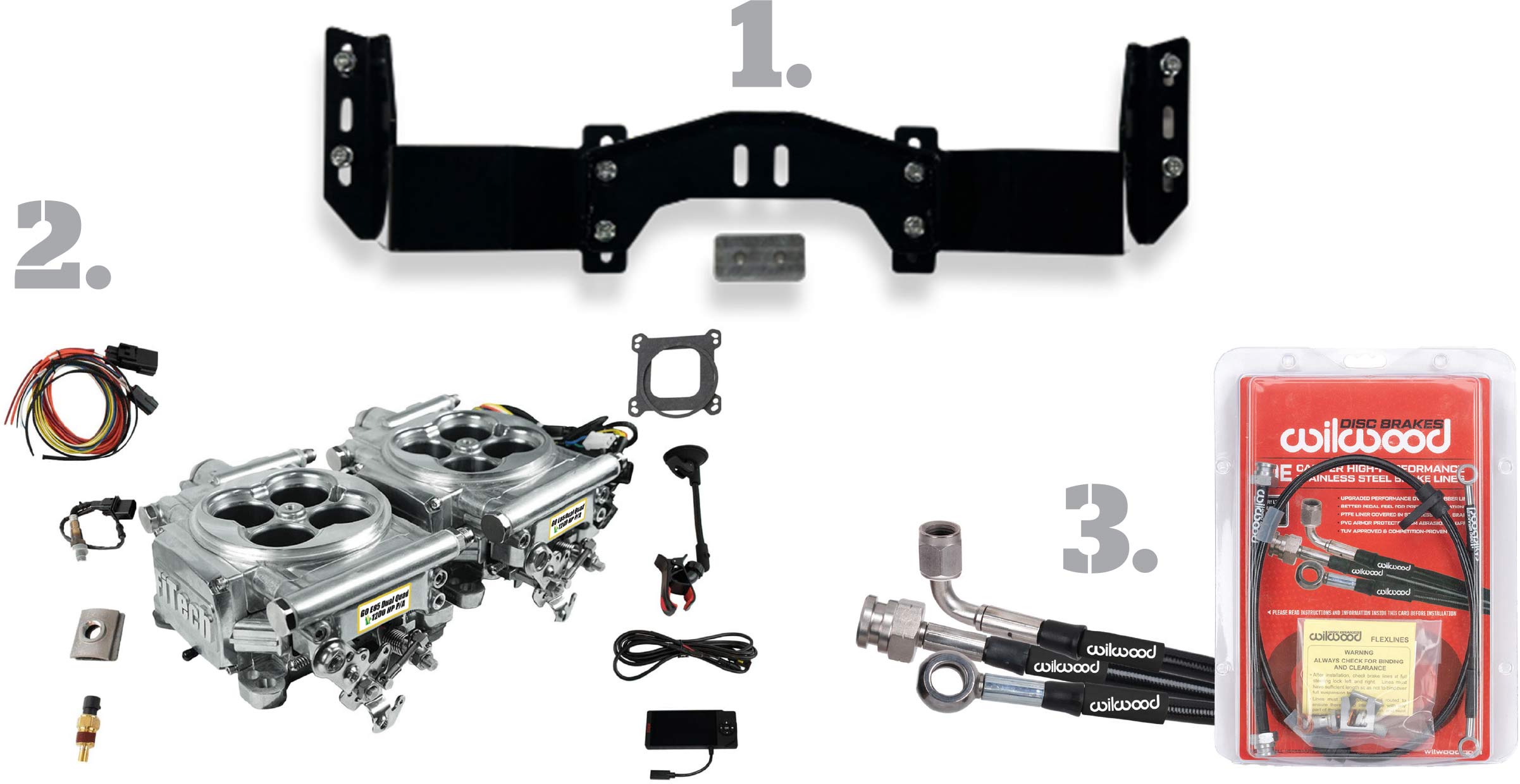
This crossmember works with stock-height and half-height body bushings, giving builders flexibility across a wide range of restoration and performance applications. It also supports dual exhaust, making it a versatile solution for custom builds where clearance and fitment are critical. It works directly with the Detroit Speed subframe and the stock subframe.




 PHOTOGRAPHY BY NOTSTOCK PHOTOGRAPHY

ngie Johnson grew up in a world where Pontiac’s Firebird wasn’t just a decal—it was a promise. Weekend dealership visits with her father became a ritual, each one reinforcing her fascination with the 1980 Firebird Trans Am’s bold lines and unapologetic attitude. While other kids played with dolls, Angie gravitated toward die-cast cars and the real ones parked on showroom floors. She eventually bought her own black Firebird Trans Am brand new in 1995, but the late-’70s and early-’80s Firebirds with their intricate graphics and turbo-era swagger never left her imagination. Decades later, as co-owner of Johnson’s Hot Rod Shop in Gadsden, Alabama, she finally found the moment to bring that dream into the present.
The spark came during a Goodguys Road Tour in 2019 over a quiet breakfast with the late George Poteet. Known for backing some of hot rodding’s most ambitious builds, Poteet casually asked Angie what she would build if she could build anything. She assumed he meant for himself, but answered honestly: a Pontiac Firebird Trans Am. The idea stuck. Back home, energized by the conversation, she and her husband Alan—an award-winning builder and the driving force behind Johnson’s Hot Rod Shop—began sketching out what such a project might look like.
 PHOTOGRAPHY BY THE AUTHOR
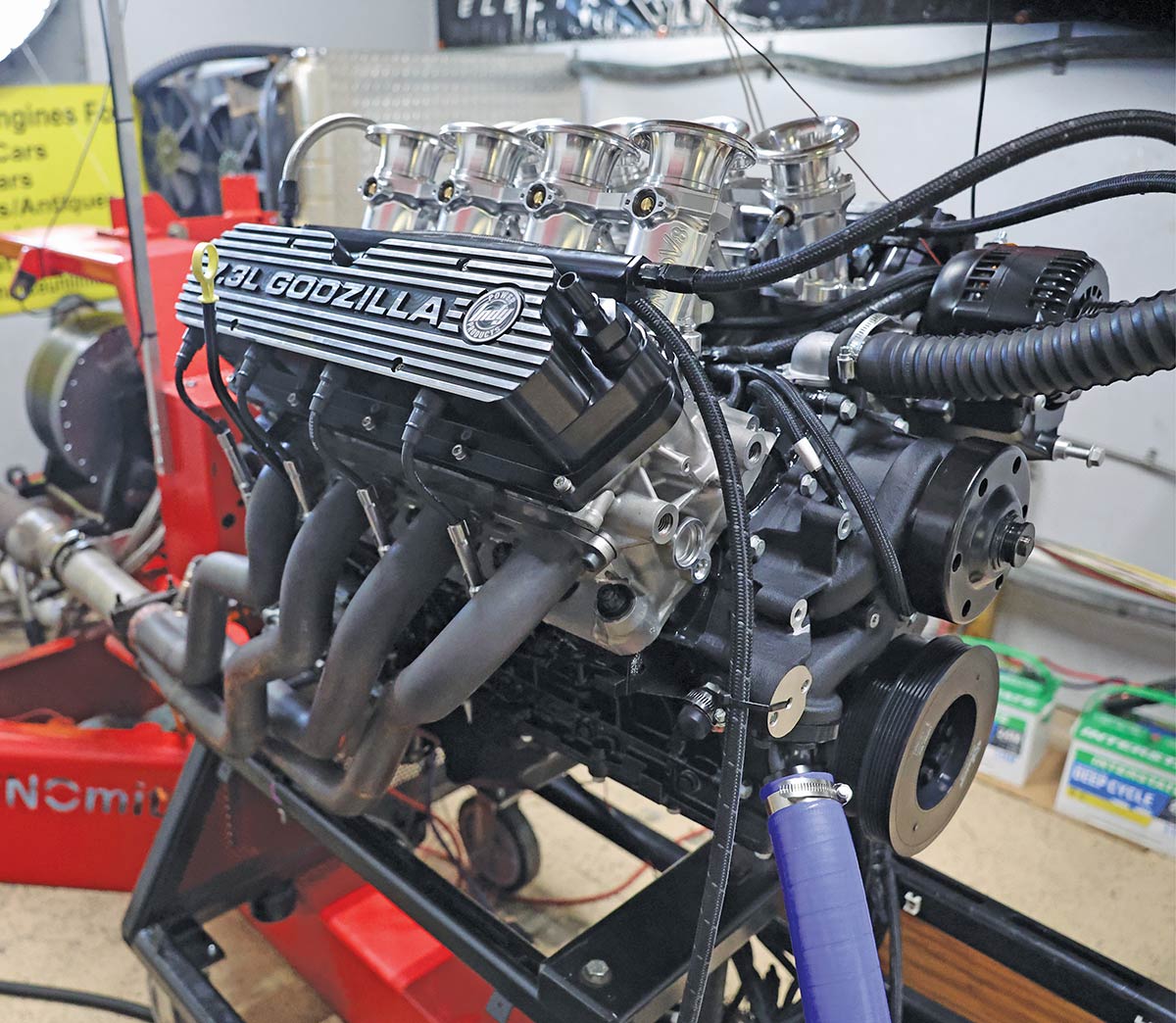
fter careful parts selection, machining, and assembly, the Ford 7.3L Godzilla, prepared by Proformance Unlimited, gulped its first sip of gasoline, fired to life, and produced a beautiful howl from the headers. Ignited by Holley’s popular Terminator X electronic fuel injection, 93-octane pump gasoline was converted into heat energy and the 7.3L Ford Godzilla settled into an aggressive idle.
In this article, we’ll highlight the build of this Ford 7.3L Godzilla V-8 engine and share the results of our dyno test. The goal is to develop a reliable 700 hp on 93-octane pump gas for a classic Ford Mustang.


 Bubba Smith’s 1949 Shoebox Ford “All Good,” trimmed by Pacos Kustom Upholstery, with an interior by Lucky 7 Kustoms. Special thanks to Marcos and the Lucky 7 crew: Cliff Mattis, Joe Lamont, Pat Davis, Mitch Kim, and others.
 Like a Duster but it’s a Dodge, Dennis and Carol Roediger’s 1971 340 Demon. Built in Michigan alongside Dusters on the Hamtramck “Dodge Main” line on May 27, 1971. Interior C52 Houndstooth bench. PHOTOGRAPHY BY THE AUTHOR
t was all there. Everything that makes for a world-class custom car show happened at the 75th Annual Sacramento Autorama, held on Cal Expo’s vast fairgrounds. Excluding the Portland Roadster Show, my assignment was to cover four of the five shows in the 2026 ARP West Coast Challenge Series (WCCS), with the focus of reporting on the WCCS.
ARP’s WCCS opened in the final days of January 2026 at the 76th Annual Grand National Roadster Show (GNRS) presented by Meguiar’s, and supported with major prize money awarded by ARP at the Fairplex in Pomona, California. From the GNRS in California, the ARP WCCS moved to the Portland Roadster Show in Oregon where it was covered by Dale Moreau.
From Portland, the series moved to Spokane, Washington, for the 10th Annual Speed and Custom Show, held entirely indoor at the Spokane Fairgrounds. With more than 400 entries from the western states and provinces on display, the Spokane show is billed as the largest all-indoor custom car show in Washington.

 PHOTOGRAPHY BY THE AUTHOR
Some enthusiasts might question building a Bullitt-inspired dream machine without using the cinematically correct 1968 Mustang body. But that pushback never fazed Brian one bit. “When it came down to doing it, I preferred the styling of the first-generation Mustangs, so I decided to use a 1965 Ford Mustang Fastback as my starting point instead of the 1968 to build the car I needed in my life. I just took the styling cues I liked from the movie car and adapted them to my ride.”

 PHOTOGRAPHY BY BRIAN BRENNAN & RYAN MANSON VIDEOGRAPHY BY RYAN FOSS PRODUCTIONS
n construction, it’s said that a building is only as solid as its foundation; the same principle applies to the frame of a hot rod. To ensure our 1955 Chevy project would be on a solid foundation, the Modern Rodding team (led by contributor Ryan Manson) collaborated with the crew at Classic Performance Products (CPP) to prepare the frame for upcoming modifications. That process included removing the damaged Chevy rear crossmember and installing a new one from CPP.
When examining a frame, look for basic issues, such as rust damage, cracks, bent or broken brackets (particularly at suspension attachment points), bent framehorns, and poorly done repairs, to name a few. In our case, the most noticeable problem was the bent rear crossmember, which seems to be a common Tri-Five malady.




 PHOTOGRAPHY BY FUELISH MEDIA
f you spent any time around this year’s Grand National Roadster Show—especially the America’s Most Beautiful Roadster (AMBR) field—then this 1932 Ford highboy roadster probably stopped you in your tracks. Built, designed, fabricated, and owned by Stanley Chavik of Hot-Rod Chavik USA in Orange, California, this Deuce is more than another pretty roadster. It’s the result of one man’s vision, a lifetime of hands-on hot rodding, and a family move from the Czech Republic to the United States to see just how far craftsmanship and determination could go.
Stanley drew inspiration from all the right places: vintage SCCA and SCTA competition, antique drag racing, Indy roadsters, and the dry lakes. The 1932 Ford highboy roadster itself was found in New York as a basket case—frame, chassis, suspension, and enough loose body pieces to fire the imagination. From there, the project took shape as a rolling tribute to late-’40s and early-’50s competition machinery. Call it lakes car, call it Indy-inspired, call it old-time hot rodding with a practiced hand. We’ll simply call it right.


 BY RON CERIDONO
nid, Oklahoma’s Hunter Hay is a busy kid—he’s a senior who works after school at the family’s body shop, Clay’s Collision Center, and is building a 1950 Chevy pickup at his grandfather’s shop, Harold’s Hot Rods. Despite all that, he still found time to assemble a 383 stroker from a 5.3L LS with guidance from his dad, Ron, parts from Summit Racing Equipment, and block preparation by Dunsworth Machine (580-233-5812).
While there are those of us who will always appreciate the impact the small-block Chevy had on hot rodding, the nostalgic appeal of a 348/409, or the rumble of a big-block, the LS engines from General Motors (GM) are arguably the best powerplants they ever produced (address all hate mail to Brian “Big-Block” Brennan). Blessed with a stout bottom end and heads with excellent breathing characteristics, the LS came on the scene and about the only valid criticism hardcore traditionalists could come up with was that they were ugly. The LS engine just didn’t look like the legendary small-block we knew and loved. But it wasn’t long before function mattered more than form, making the LS arguably the most popular contemporary powerplant for high-performance applications.


 PHOTOGRAPHY BY THE AUTHOR
ilbert “Gil” Roman remembers vividly the events leading up to the day he decided on his next Chevy muscle car project. “When I finally came to the decision that I was going to go all-out and build a custom Chevelle, I knew it had to be a 1966 because that was my mom Dora’s favorite year for the Chevelle. She always talked about her Chevys from the ’50s, ’60s, and ’70s, but the 1966 Chevelle was always top in her eyes,” Gilbert states.
At this point, Gilbert might have been a little gun-shy about starting a full-blown Chevelle revamp, since his last build didn’t go exactly as he’d hoped. “I paid $33K for a 1969 Chevelle hardtop and doubled the price by upgrading it with an EFI setup, suspension and brake upgrades, and a high-end five-speed transmission. But I wasn’t satisfied with the results. It wasn’t the car I wanted at all. So, I decided to sell it, and I unfortunately took a big loss.” The problem was, deep down, Gilbert didn’t want to just upgrade someone else’s old car. He wanted his own unique ride, built from scratch to his specifications. “I wanted my own Kindig-it Design–type car, custom-built for me from the ground up. I decided to move in that direction.”


 ARTWORK BY ERIC BROCKMEYER OF BROCKMEYER DESIGN
odge made quite a sensation in 1968 with the release of the second-generation 1968 Dodge Charger, featuring its classic “Coke bottle” shape. The design was a dramatic departure from the first generation’s boxier lines and struck a chord immediately. Not only did these cars have a swoopy appearance, but they were also very successful in NASCAR racing, which helped boost sales considerably. The fastback roofline that looked so striking on the street also proved slippery on the superspeedways. That combination of style and performance is a big part of why the car remains so beloved today.
Scotts Hotrods ’N Customs was asked to build a top-level street machine based on one of these cars. They started with one of their signature chassis, mandrel-bent in-house from 2×4 tubing. The original body styling of the 1968 Dodge Charger is so refined that no major changes were deemed necessary, but the shop enlisted Eric Brockmeyer to sketch a series of subtle modifications to help make this build outstanding.
 This year brought new sponsorship from Peter Chapouris IV of SO-CAL Speed Shop. With this fresh influx of ideas, the awards and the layout of the grounds proved to be a winner.
 PHOTOGRAPHY BY THE AUTHOR
he L.A. Roadsters Father’s Day Show & Swap has been a staple of the hot rod community for 60 years and has seen nearly every trend in the rodding world. It has also seen our hobby grow—and change. Such was the case for the L.A. Roadsters Show, or Father’s Day Show, as it’s been frequently called over the decades.
It was a show that was held each year on Father’s Day, which was always a Sunday and typically the third Sunday of every year. It had its early start back in 1960. From 1961-62, attendees were directed from a card table set up in front of the Hollywood Bowl to the Great Western Exhibit Center in the county, outside the Los Angeles city limits. At the time, hosting a “swap meet” within the city limits was illegal, so the Great Western served as the venue. This continued until 1980 when the Great Western was earmarked for repurpose, and the show moved to the Pomona Fairplex, where it is still held today. (I believe the show missed one year at the Great Western in 1967 but returned the following year.)


View Index
- AEROMOTIVE, INC.
- AFFORDABLE STREET RODS
- AMERICAN AUTOWIRE
- ART MORRISON ENTERPRISES
- AUTO METAL DIRECT
- AUTOMOTIVE RACING PRODUCTS
- BOWLER PERFORMANCE TRANSMISSIONS
- CLASSIC INSTRUMENTS
- CLASSIC PERFORMANCE PRODUCTS
- CLASSIC PERFORMANCE PRODUCTS
- CLEANTOOLS
- CUSTOM AUTOSOUND
- DAKOTA DIGITAL
- DETROIT SPEED
- EATON DETROIT SPRING, INC.
- FITECH EFI
- FLAMING RIVER INDUSTRIES
- FLAMING RIVER INDUSTRIES
- GOODGUYS ROD & CUSTOM ASSOCIATION
- GRANATELLI MOTORSPORTS, INC.
- HAYWIRE
- HEINZMAN STREET ROD SHOP
- HOT HEADS RESEARCH
- IDIDIT
- JEGS HIGH PERFORMANCE
- KOUL TOOLS
- LOKAR
- LOKAR
- NATIONAL STREET ROD ASSOCIATION
- NEW PORT ENGINEERING
- NOTCHEAD FASTENERS
- PHOENIX MACHINE PRODUCTS
- POWERMASTER PERFORMANCE
- PURE CHOICE MOTORSPORTS
- SALTWORKS
- SCOTT’S HOTRODS
- SPECIALTY AUTO PARTS USA, INC.
- VINTAGE AIR
- WHEEL SMITH
- WILWOOD ENGINEERING

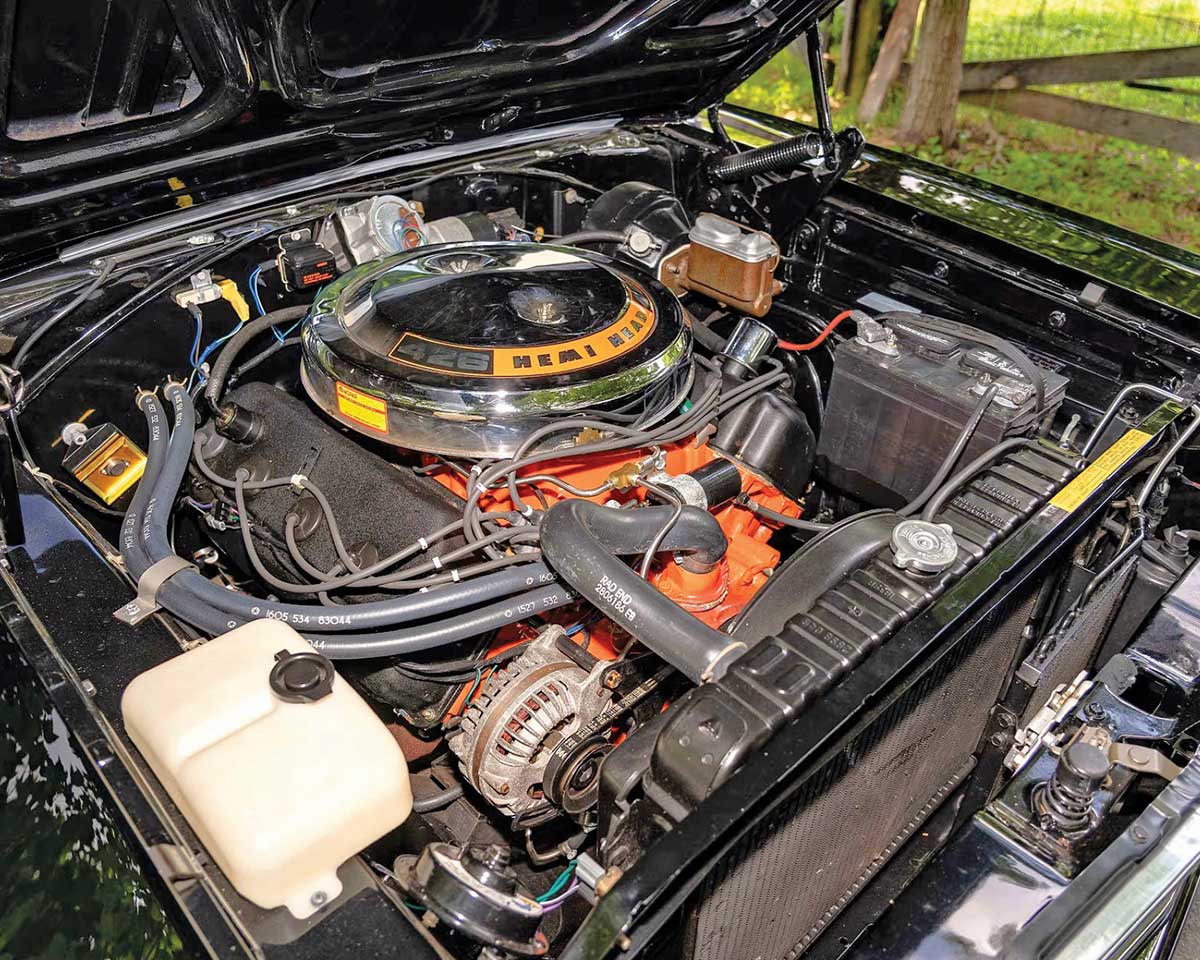 The V-8 is the always-popular and highly desirable 426 Hemi with 425 hp, equipped with dual Carter four-barrels.
 Chrysler Registry indicates that this was the 9th Road Runner of 19 that was built at the Lynch Road Plant and 1 of only 61 Hemi Road Runner hardtops produced with TorqueFlite automatic transmission. PHOTOGRAPHY COURTESY OF MECUM AUCTIONS
very so often a car rolls into view that makes you stop, lean in, and start adding up the clues. This time it was a 1968 Plymouth Hemi Road Runner hardtop, the kind of stripped-down B-body that never needed chrome trinkets or luxury trim to make its point. Crossing the Mecum Auctions block as Lot S94, this black-and-red Plymouth was a quick reminder that the Road Runner name still has plenty of “bite.” When the hammer fell, the number was $126,500. In today’s muscle car world, that is a price to back up what the Road Runner represents.
Plymouth’s idea for 1968 was simple: keep the price in check, pull out the excess, and leave the good stuff right where hot rodders wanted it. In this case, the good stuff starts with the 426 Street Hemi, factory rated at 425 hp and carrying the kind of reputation that makes a hot rod a street king.
Interesting side notes on the dual four-barrel carbs. In 1968, the Plymouth Road Runner’s optional 426 Street Hemi (rated at 425 hp) used two Carter AFB aluminum four-barrel carbs. For the 1968 Plymouth Hemi Road Runner with a four-speed manual transmission, the carburetor part numbers were: front carb 4430S and rear carb 4431S. If the Road Runner was equipped with the automatic transmission (as this example is), the rear carburetor part number changed to 4432S.
