

PHOTOGRAPHY BY MICHAEL CHRISTENSEN
VIDEOGRAPHY BY RYAN FOSS PRODUCTIONS & MICHAEL CHRISTENSEN
hen a car builder who has built dozens upon dozens of hot rods literally makes the statement: “This is one of the absolute best cars we’ve ever built,” that is significant. So it goes for Roy Brizio of Roy Brizio Street Rods (RBSR) and his crew, who built this fenderless (lowboy) 1934 Ford roadster over the course of two years for owner Beth Myers.
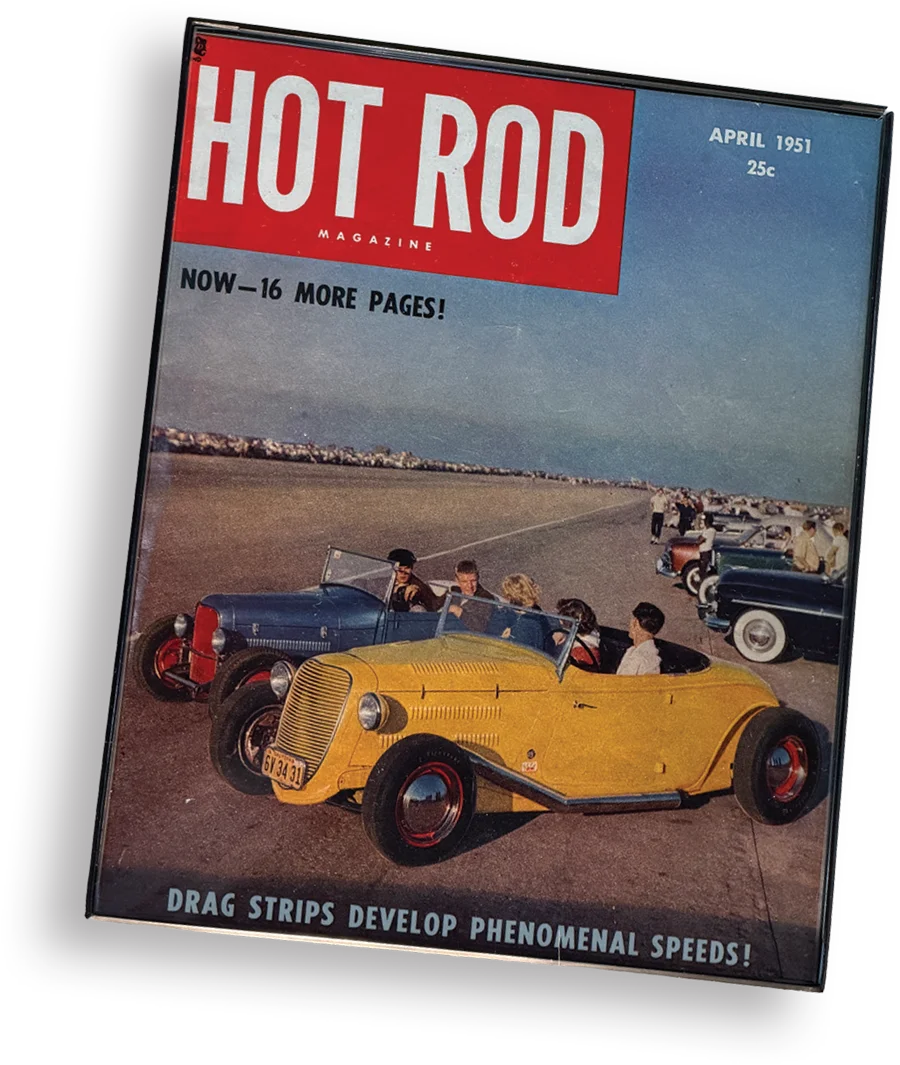
The build is an interesting presentation that makes you ask, “Where did this idea come from?” For some of our senior-plus hot rodders, you may recall the Apr. ’51 cover of Hot Rod—the channeled 1934 Ford roadster owned by Jack Morgan that graced the cover. There are similarities, and, of course, there is approximately an 86-year gap between the builds, so some things have changed. But one can see the “family” resemblance.


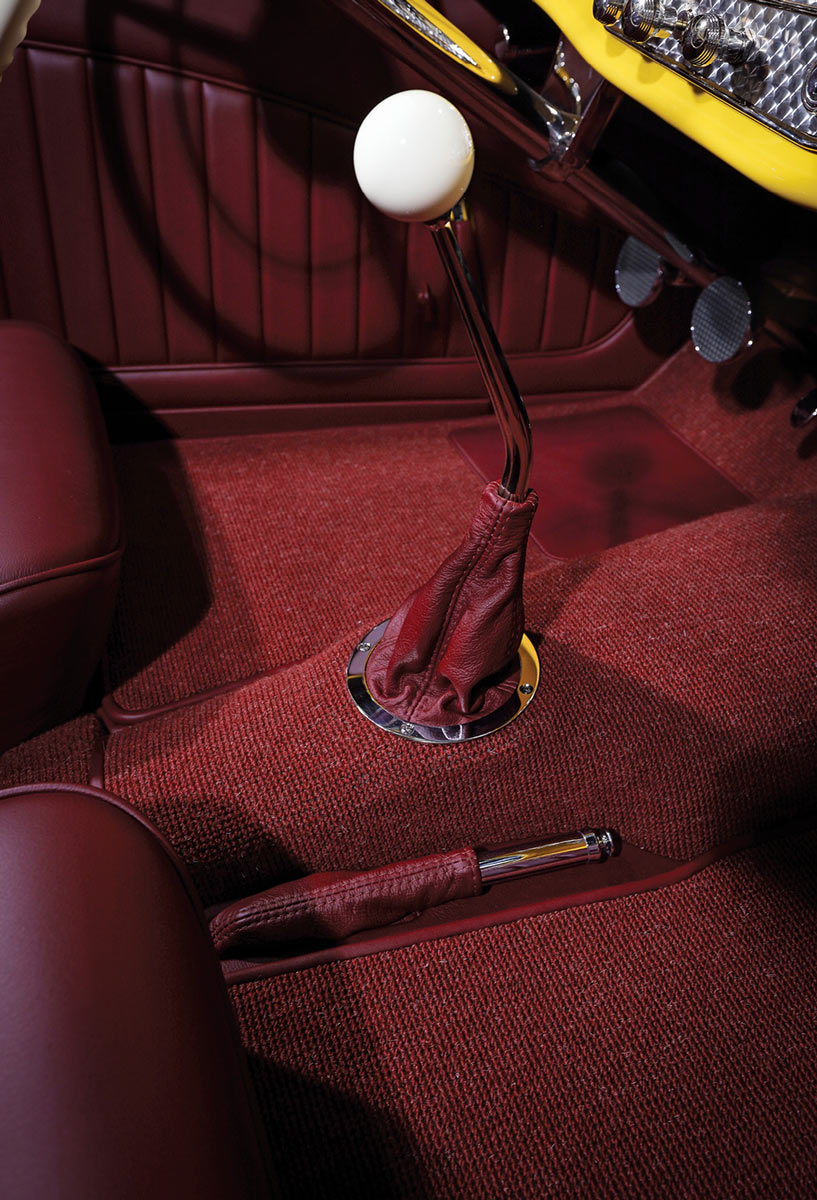
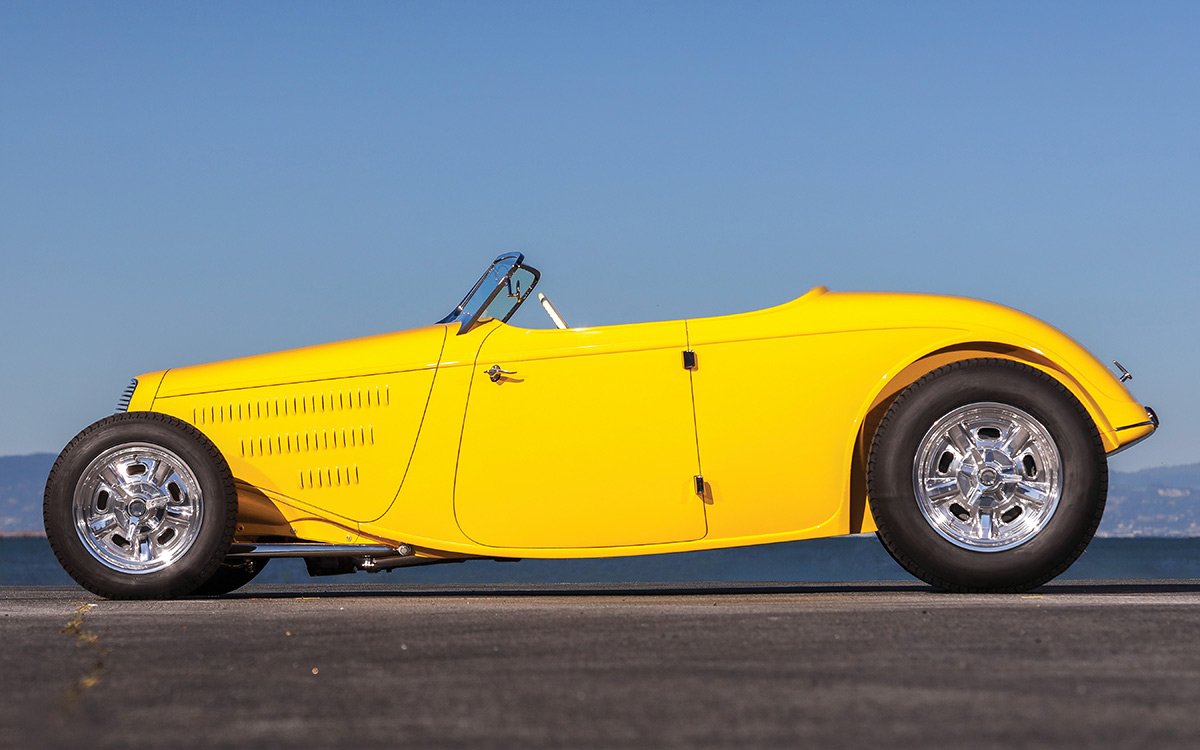
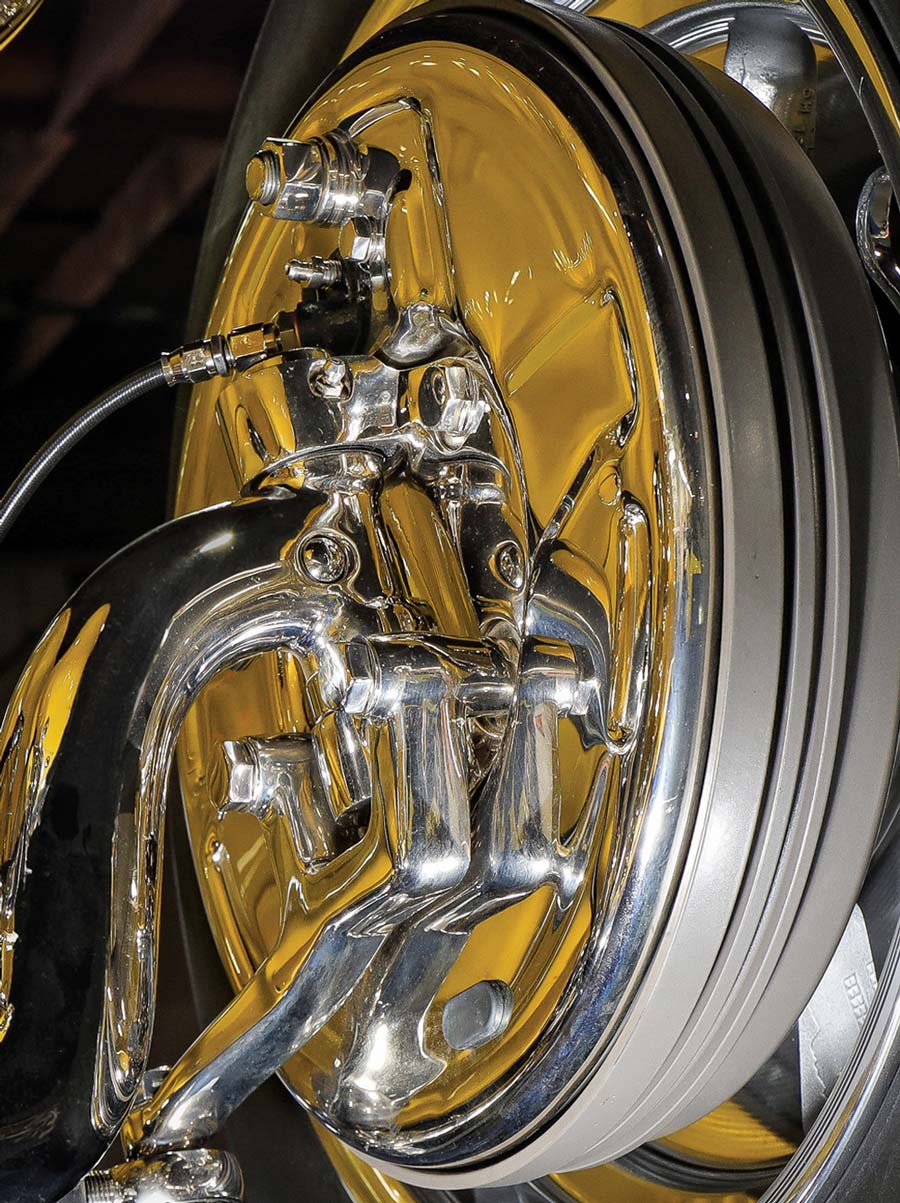
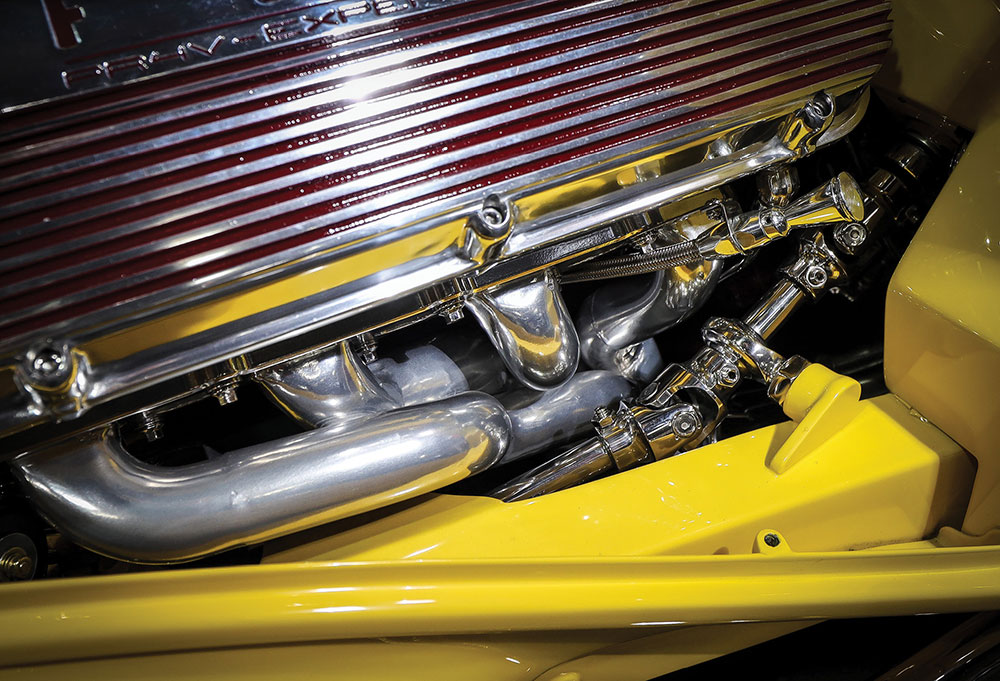
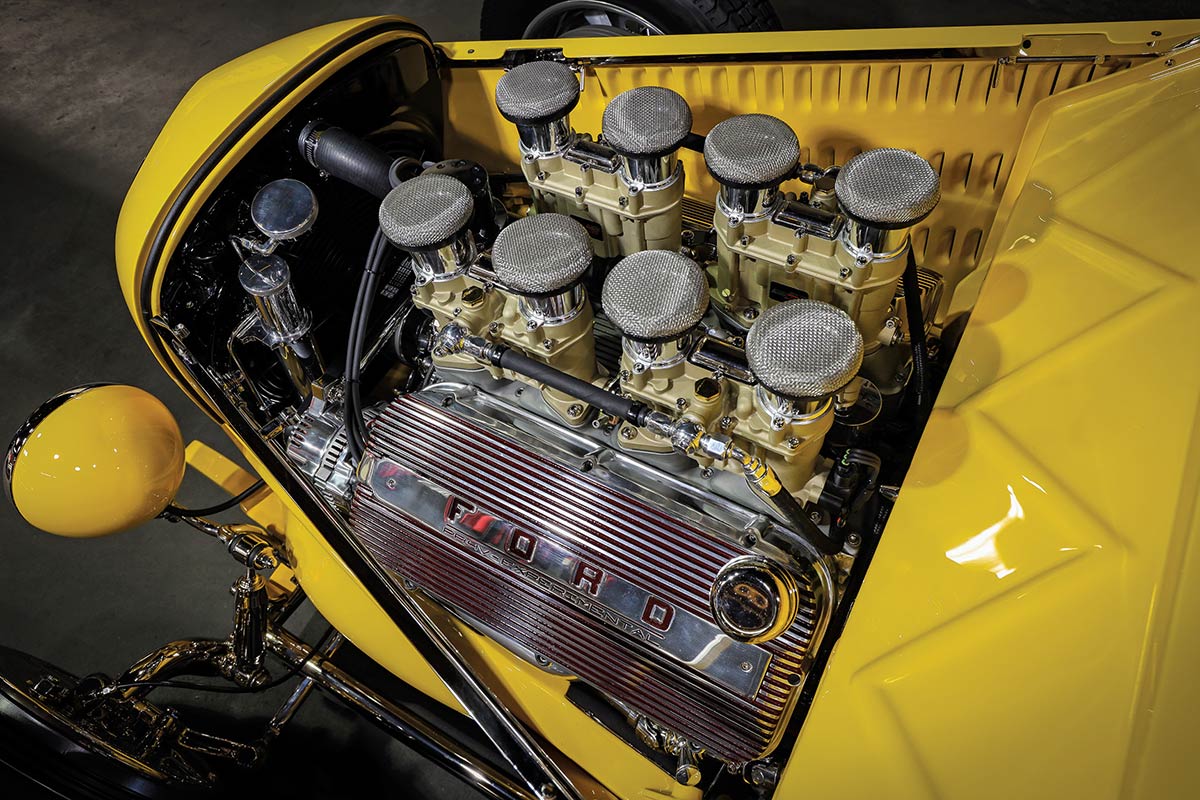
One can look anywhere on this hot rod and walk away scratching your head asking, “How did they do that?”, or just stand there, saying nothing yet wondering. Then there is the engine. It’s a Ford V-8 for sure, but all of us here are willing to bet you may not have seen one of these, especially in real life. Brizio was able to round this 1996 Ford Racing Prototype (PR4V), which has a pushrod, four-valve-per-cylinder aluminum head configuration. (There are four of these V-8s; two are 302 inches and two are 351 inches. The late Angelo Giampetroni, then head of Ford Racing, had one of the 351 engines. The whereabouts of the other two are currently unknown.) It displaces the traditional Ford 302-inch displacement based on a cast-iron block from Ford Racing. Bob Panella of Panella Racing Engines built the small-block Ford using Ford Racing forged pistons, a camshaft, and custom four-valve prototype valve covers. Resting on top and doing so impressively is the Borla 8-Stack EFI, utilizing a Holley ECU, a Joe Hunt electronic magneto-style distributor with MSD plug wires, and a coil. Feeding the EFI is an Aeromotive in-tank fuel pump. The exhaust is handled by a custom set of Sanderson headers with 1-5/8-inch primary tubes that dump into 2-1/4-inch custom steel exhaust tubes fabricated by RBSR’s Jack Stratton, which eventually run through a pair of Hushpower mufflers. Other engine accessories include a Mattson’s radiator, a SPAL electric fan, a Powermaster alternator and starter, and an OPTIMA battery located in the trunk directly behind the bench seat back. The brightwork throughout is polished nickel plating by Sherm’s Custom Plating. Matched to the V-8 is a TREMEC five-speed (TKO) that employs a Modern Driveline billet flywheel, clutch disc, pressure plate, and a Lokar shifter topped with the traditional white ball.

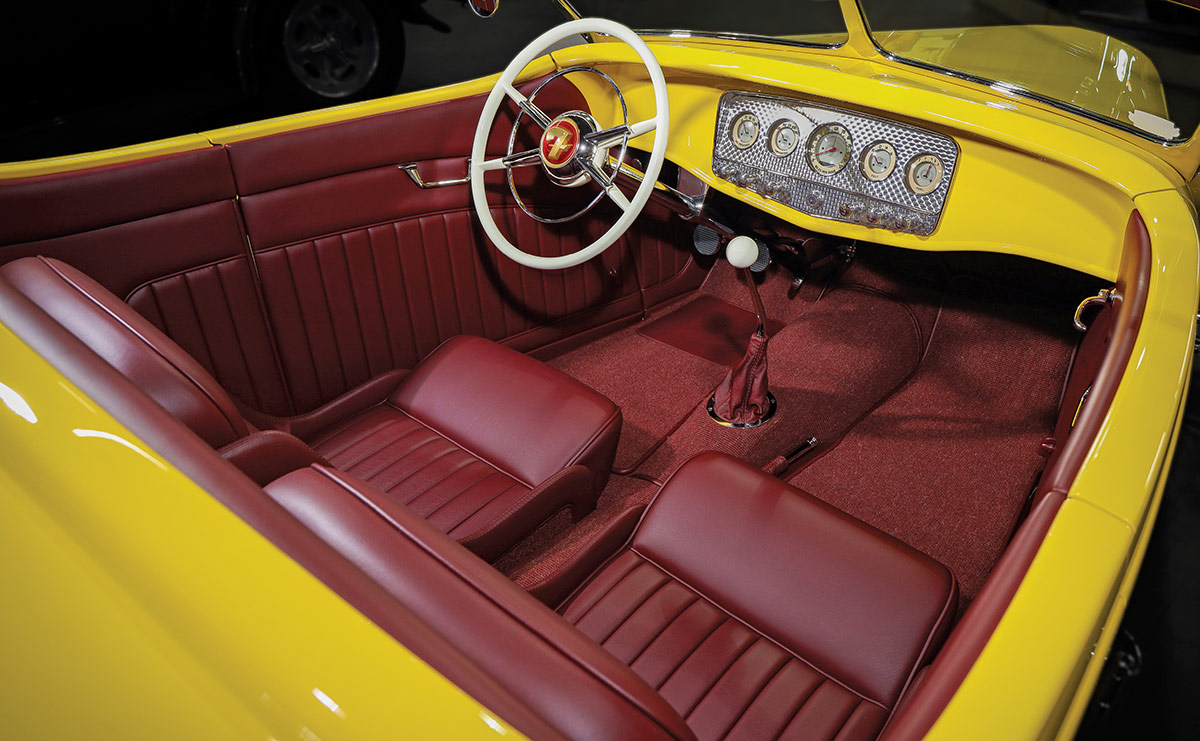
Inside, there is plenty going on. Remember, you are in a channeled car, so you sit low, tucked in behind the windshield, which serves as a home for the Bob Drake rearview mirror, while the side mirror is more handiwork from RBSR. Aside from the outstanding stitchwork from Sid Chavers Fine Auto Upholstery there are two focal points. An interesting side note about the interior: It was Sid Chavers who did the interior, which shouldn’t come as any surprise given that Chavers and Brizio have worked together for 40-some years, but it is literally one of the last of his interiors, as Chavers retired the week of the Grand National Roadster Show. The car was never intended to have a top, as evidenced by the lack of visible attachment points. As Brizio pointed out, “It’s a roadster. They were meant to be driven without a top.” Chavers also made the twin bucket seats and then covered them in Oxblood leather, along with the doors, kick panels, wraparound rear panels, and the accompanying seatbelts. The German square-weave carpeting was also in a matching Oxblood color.
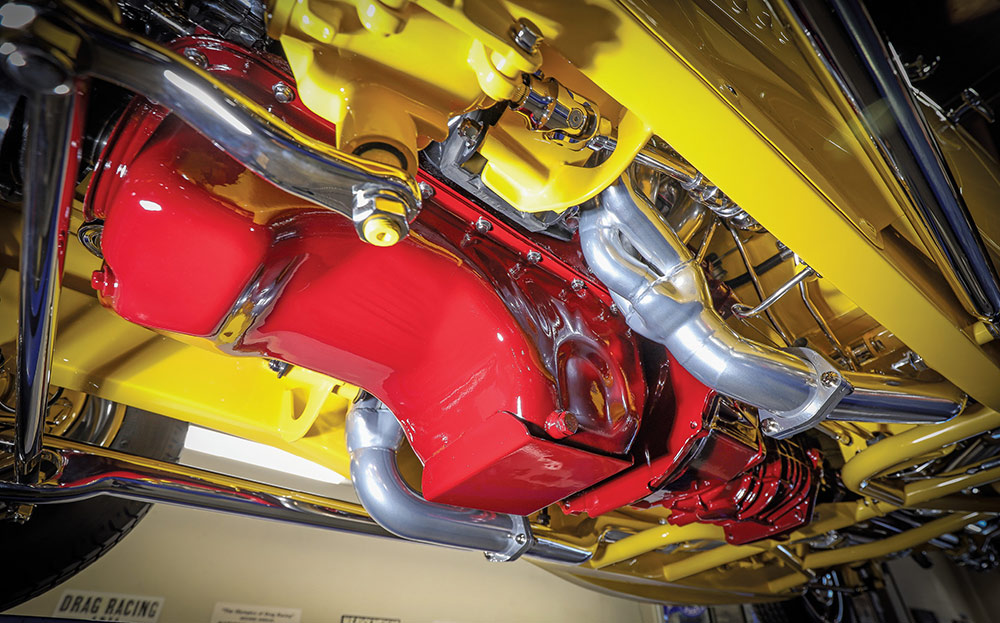
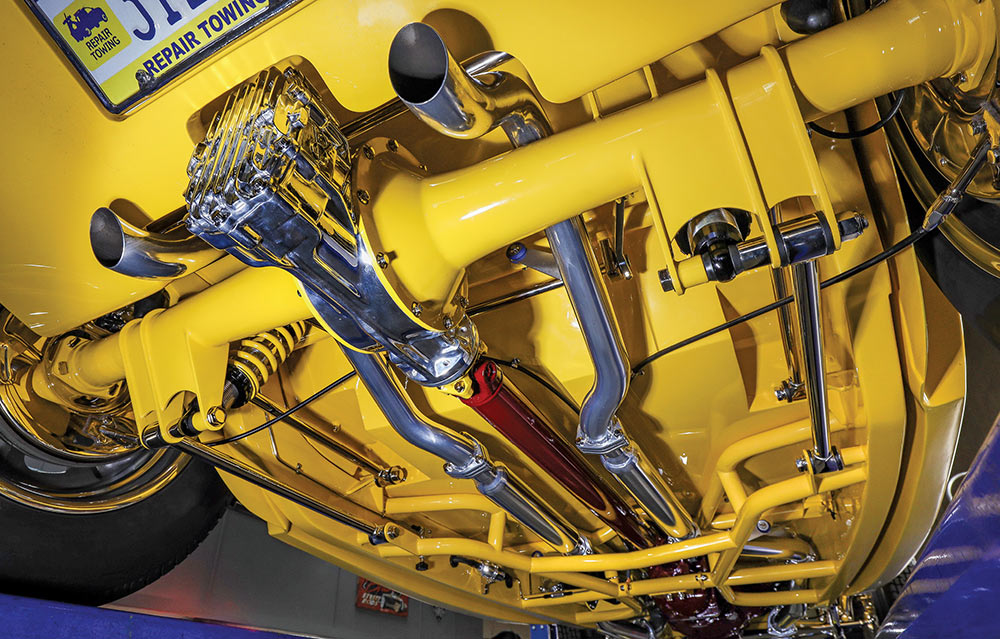
This lowboy roadster competed for the 2026 AMBR trophy and, while it didn’t win, it came incredibly close, taking home Best Paint, Best Undercarriage, and Best Detail. No argument here, for a car that now has 350 miles on it. It is well worth your time to enjoy how Brizio tells us what it took to build this hot rod, and then he takes us for a drive—hot rodding just doesn’t get any better.