


 by Brian Brennan
he American hot rod has long symbolized freedom, individuality, and raw power, embodying the rebellious spirit of automotive enthusiasts. Originating in the pre–World War II era, hot rods have become a cultural phenomenon that captivates generations and solidifies their place in automotive history. They frequently appear in TV shows, advertisements, and music, often setting the stage for celebrations.
Over the years, an entire industry has emerged around hot rodding, ranging from coffee cruises to trade shows like SEMA, promoting both the hobby and trade. However, significant economic downturns have impacted this vibrant culture. The recession in 2001, brought on by the dot-com bubble’s collapse and the events of September 11, led to a slow recovery that forever altered the automotive media landscape. Many car magazines faced cutbacks, reshaping how enthusiasts consumed automotive content.
The financial crisis of 2007-2008 further entrenched these changes, with the housing market’s collapse leading to widespread instability. The hot rod community felt this impact deeply, with numerous automotive magazines closing their doors. This highlighted the vulnerability of the hobby and industry, which, despite its resilience, took nearly a decade to reestablish.
Looking to the future, hot rods face new challenges and opportunities linked to stricter emission standards and the increasing popularity of electric vehicles (EV) and hybrids. Traditionally, hot rods are modified versions of older vehicles, referred to as “vintage tin,” however, as environmental concerns grow, the industry must adapt to cleaner energy sources. The push for zero-emission vehicles poses pressing questions: How can this cherished automotive tradition evolve while maintaining its identity?
One potential path is the embrace of electrification. Although many purists may hesitate at this shift, companies are pioneering electric hot rod builds that demonstrate performance can coexist with traditional aesthetics. As battery technology improves, EV’s range and performance are expected to enhance, appealing to a new generation of enthusiasts. The hot rod community’s affinity for technology and innovation supports this transition.
Converting vintage hot rods from the pre-1949 or post-1948 eras into EVs is gradually gaining traction. While this trend is slow, partly due to the high cost of conversion kits that help maintain iconic appearances, it is growing in popularity. More builders are exploring ways to marry nostalgia with innovation, as witnessed by the increasing presence of EV at events like SEMA.
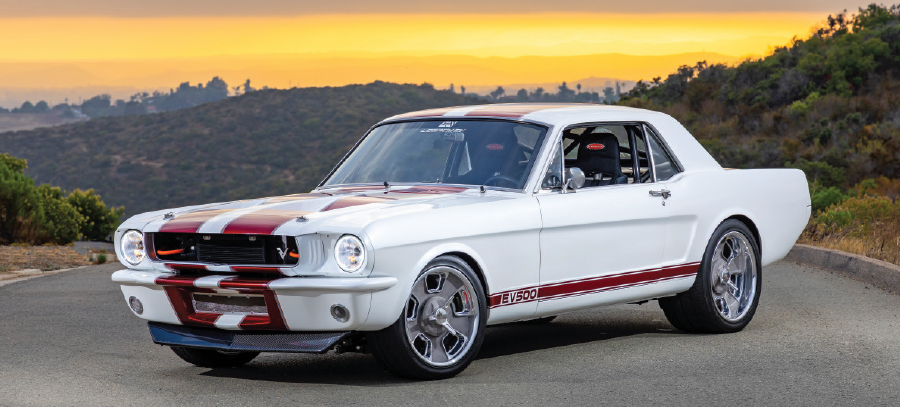
 ReVolt Systems, out of Oceanside, CA, was responsible for converting this 1965 Mustang. One ride around the block tells you everything you need about EV acceleration. (Photo by Wes Allison)
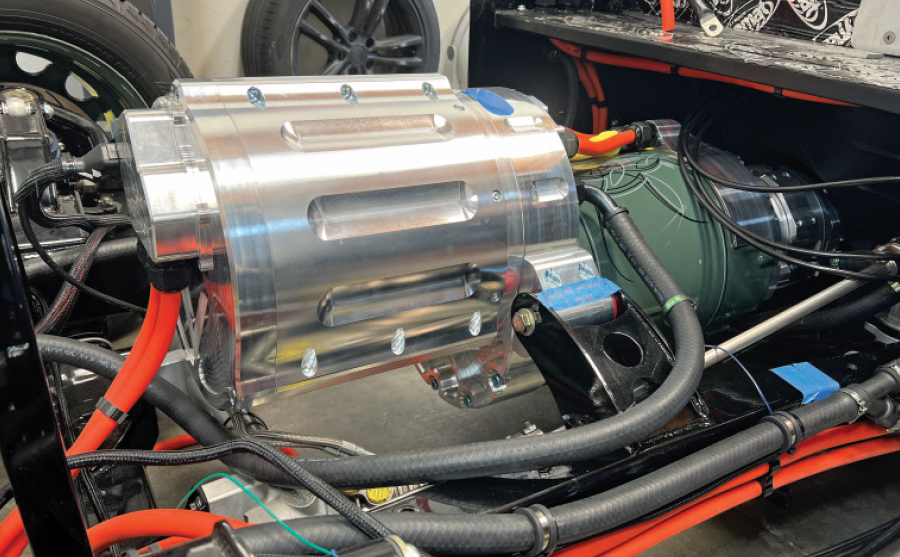 This ReVolt Systems EV 1934 Ford Vicky is a traditional-looking hot rod with staggering acceleration due to the astounding amount of torque supplied by the EV powerplant. (Photo by Bian Brennan)
Moreover, electrification offers new opportunities for hot rod builders to source parts and technologies. The industry’s adaptation could lead to a surge of components focused on electric motors, battery systems, and lightweight materials, enhancing both the performance and aesthetics of modern hot rods. Smaller shops and independent builders are finding ways to incorporate these new technologies, encouraging the hot rod community to thrive with innovations once considered impossible.
While some may lament the transition from traditional gasoline engines to electric motors, the essence of hot rodding lies in the spirit of experimentation and the desire to push boundaries. Enthusiasts facing the challenge of integrating cleaner energy can draw parallels between this struggle and the historical quests for high horsepower and speed.
In conclusion, the future of the American hot rod is set against a backdrop of significant change. While these transformations challenge traditional perceptions of hot rodding, they also present unprecedented opportunities for innovation, creativity, and sustainability. What will I do? I’ll keep my SBC-powered assortment of hot rods, but I do see the horizon approaching. As the world advances, the hot rod community can maintain its legacy as a testament to freedom, individuality, and the enduring allure of automotive passion.