



 Photography by Rick Love
he classic GM G-bodies (1978 to 1988), Cutlass, Regal, Grand Prix, and, of course, the Monte Carlo were the last of the company’s intermediate body-on-frame cars. They had suspension and braking technology little changed from the muscle car days.
It all worked quite well in the later 1970s through the 1980s, but to be honest, that was the era when not even the highest output of the brands’ respective “performance” models even cracked 200 hp. For example, the high-profile, undeniably sharp-looking, and NASCAR-influenced Monte Carlo SS looked like it could shred rubber from Daytona to Talladega. Still, its 305-inch small-block managed only a meager 180 hp.
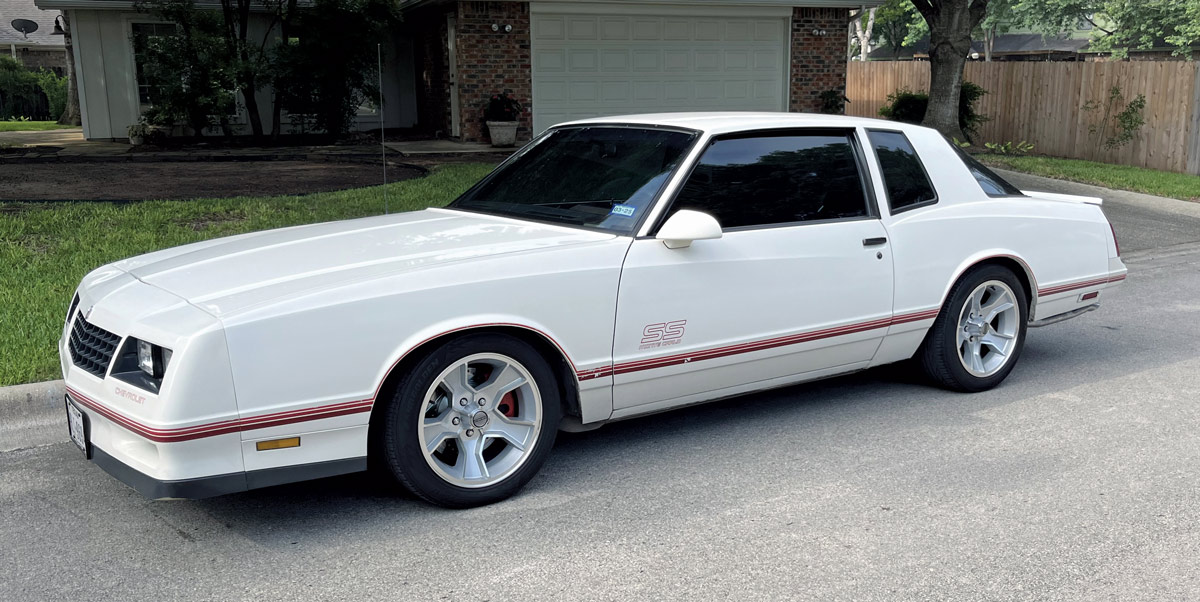
Performance, of course, takes many forms. While a boost in horsepower is typically the first line of action, matching that with higher levels of handling and braking capability are the logical follow-up measures. That’s the case here with our project 1987 Monte Carlo SS Aero Coupe—the distinctive model that featured a sloping rear window to make the car even slipperier around NASCAR super speedways.
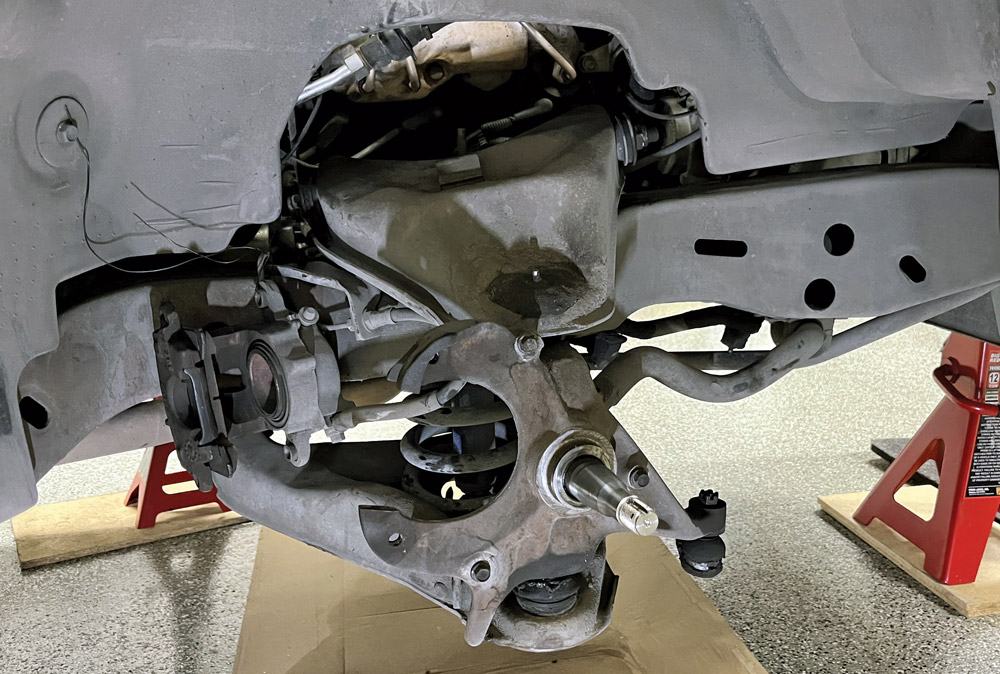
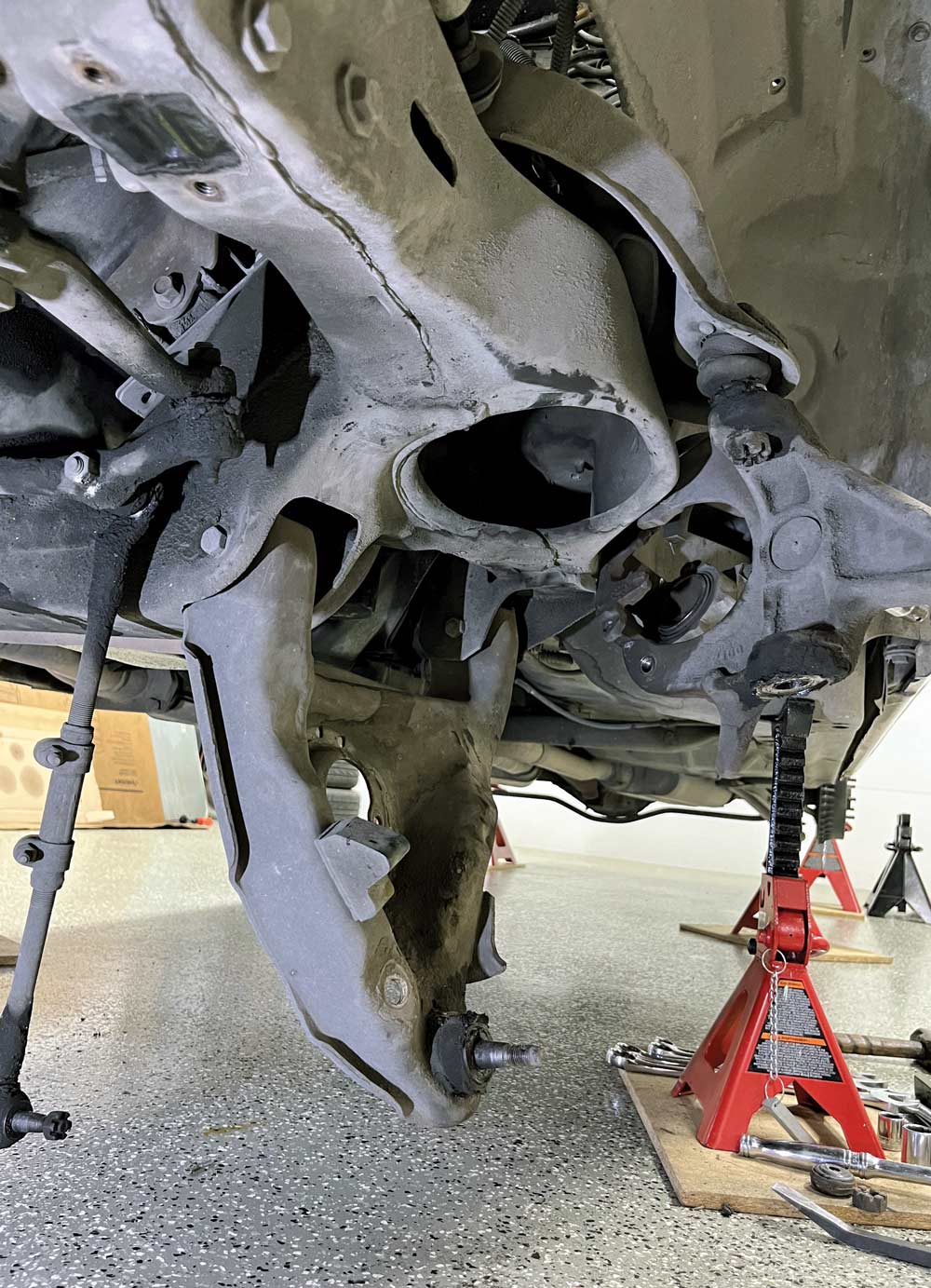
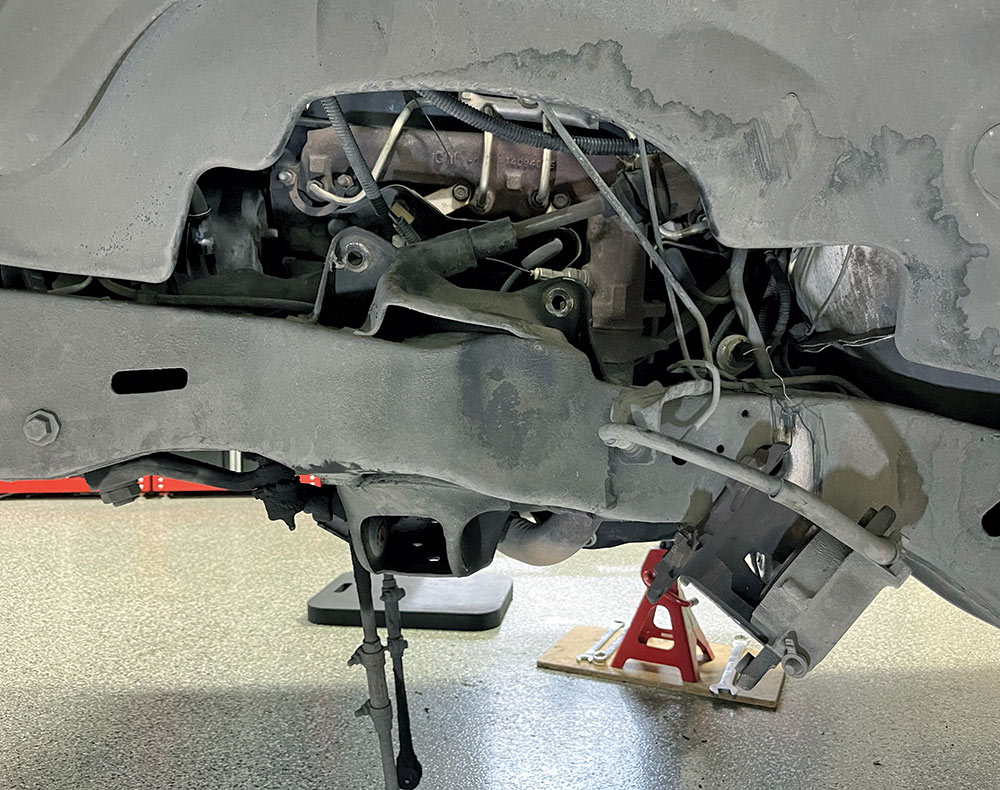
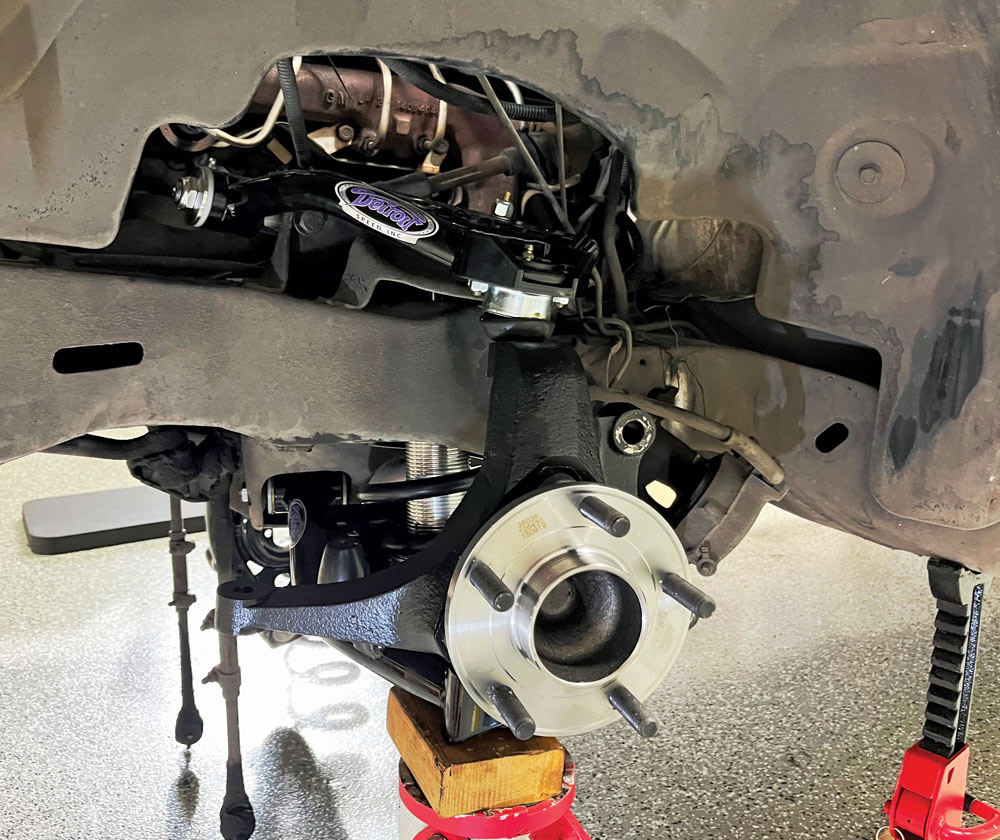
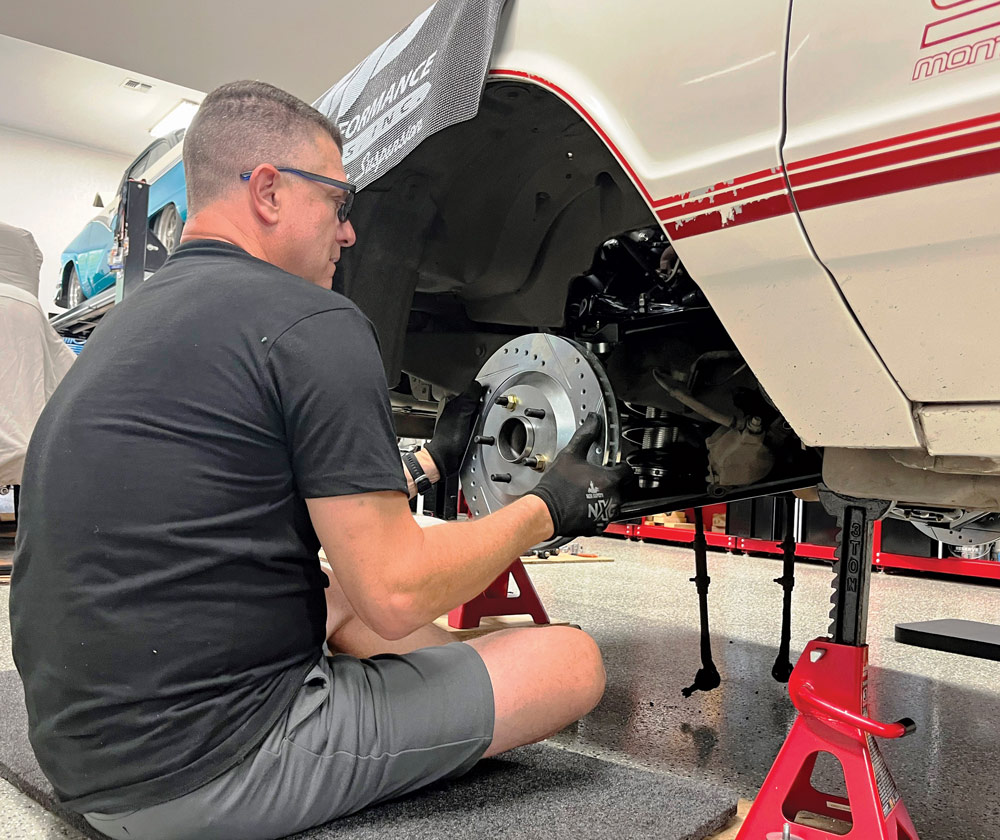
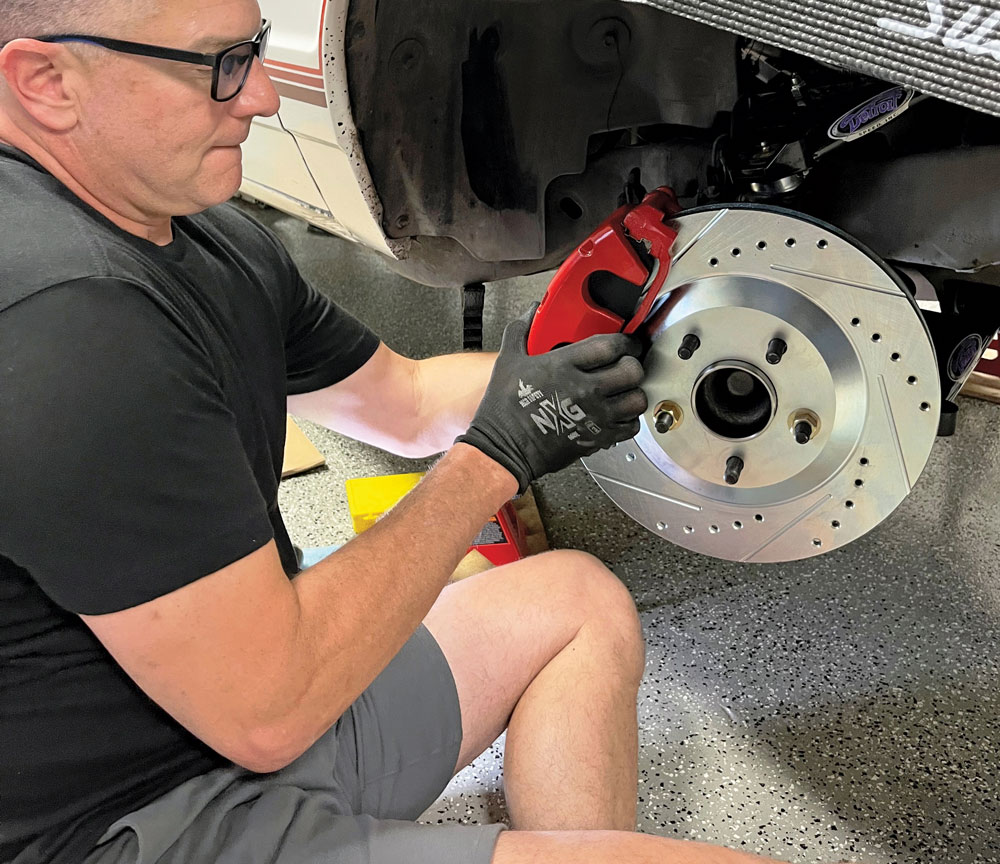
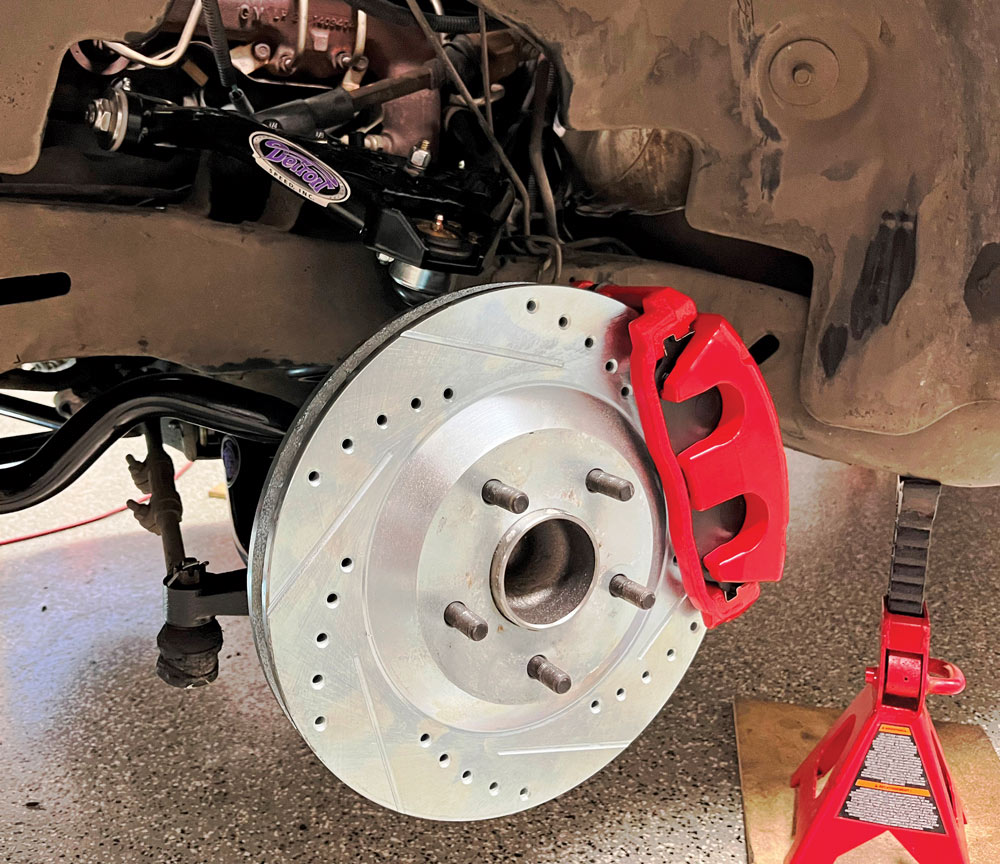
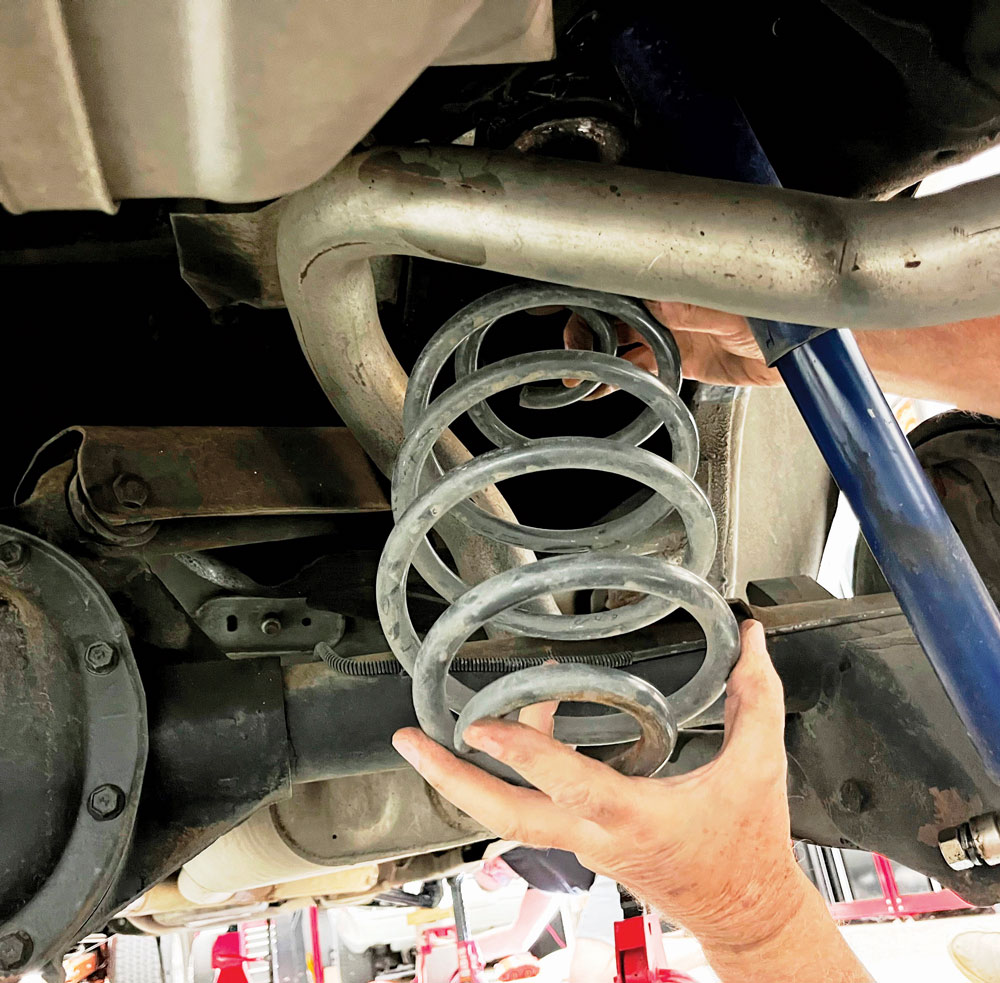
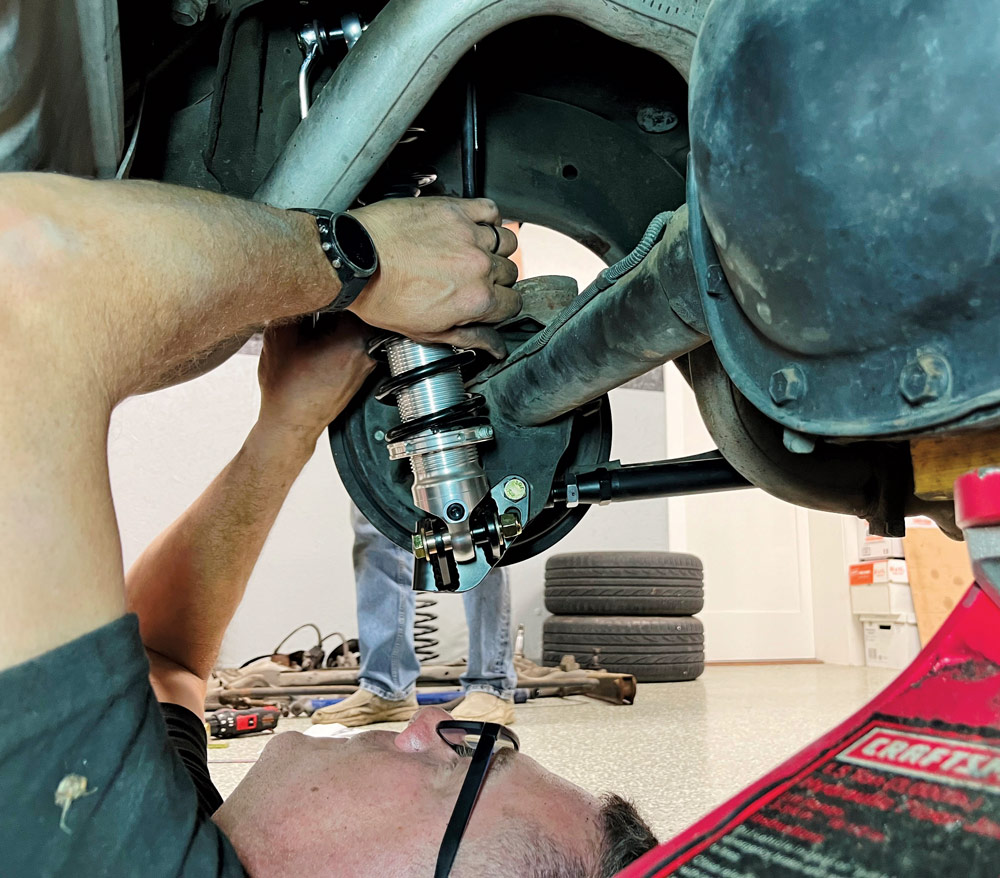
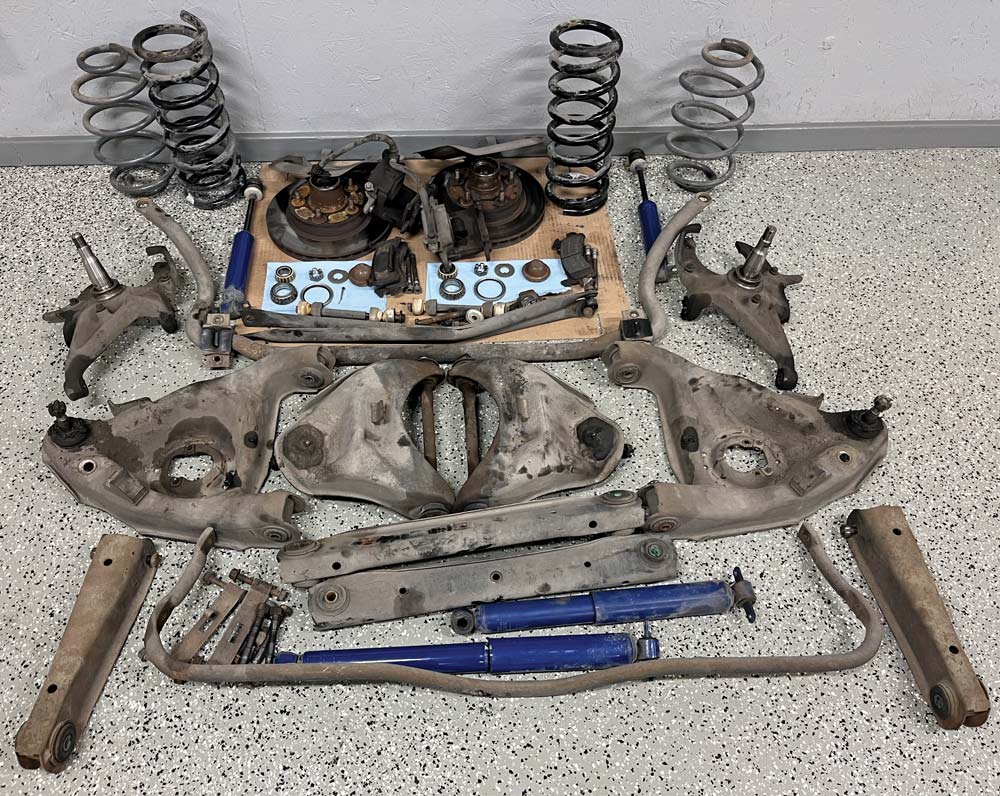
The suspension and brakes were targeted for upgrades as part of a plan to elevate the car’s overall performance in all areas. The vision included front and rear coilover conversions, supporting suspension enhancements, and larger front disc brakes on CPP C5-style spindles.
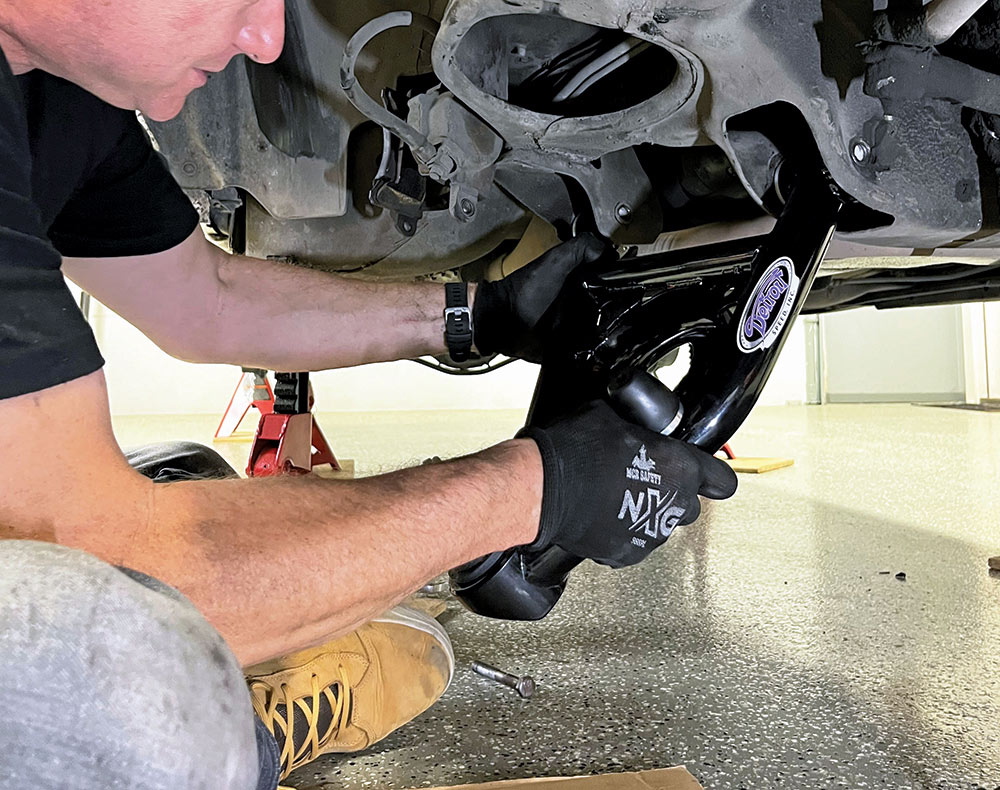
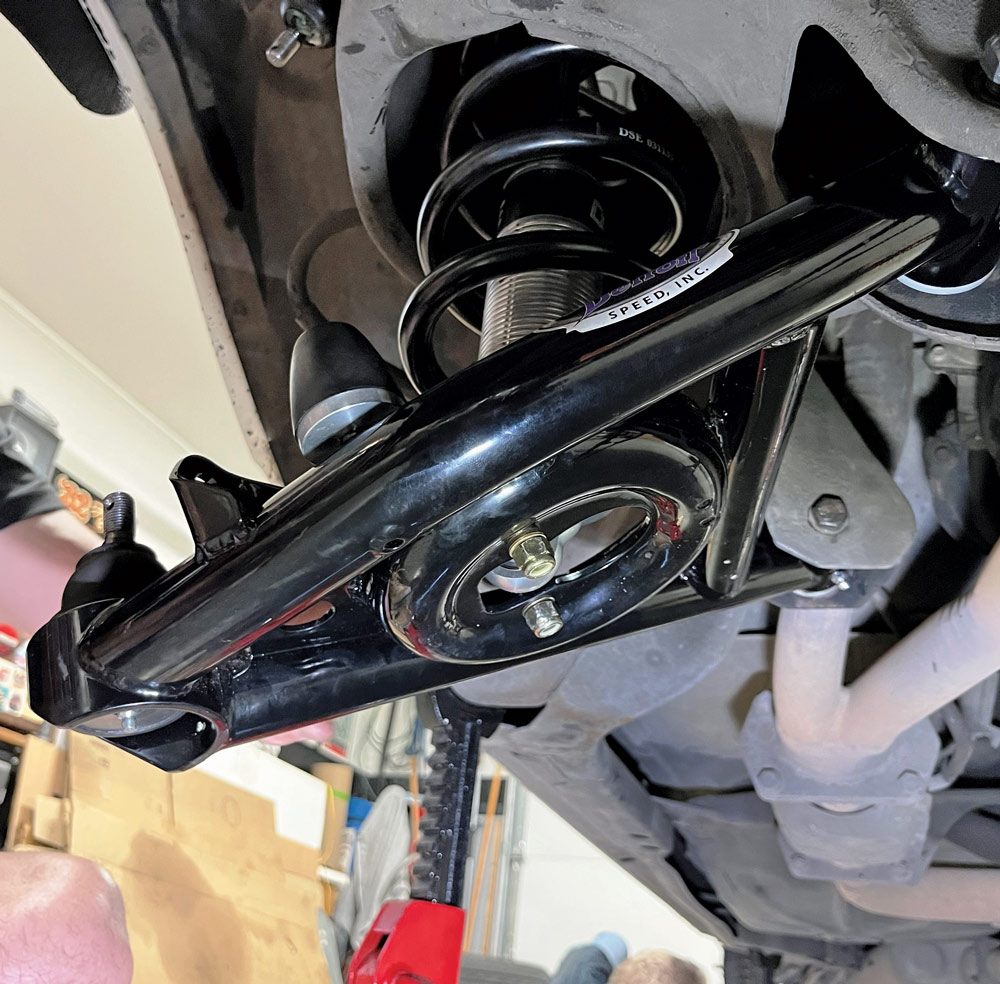
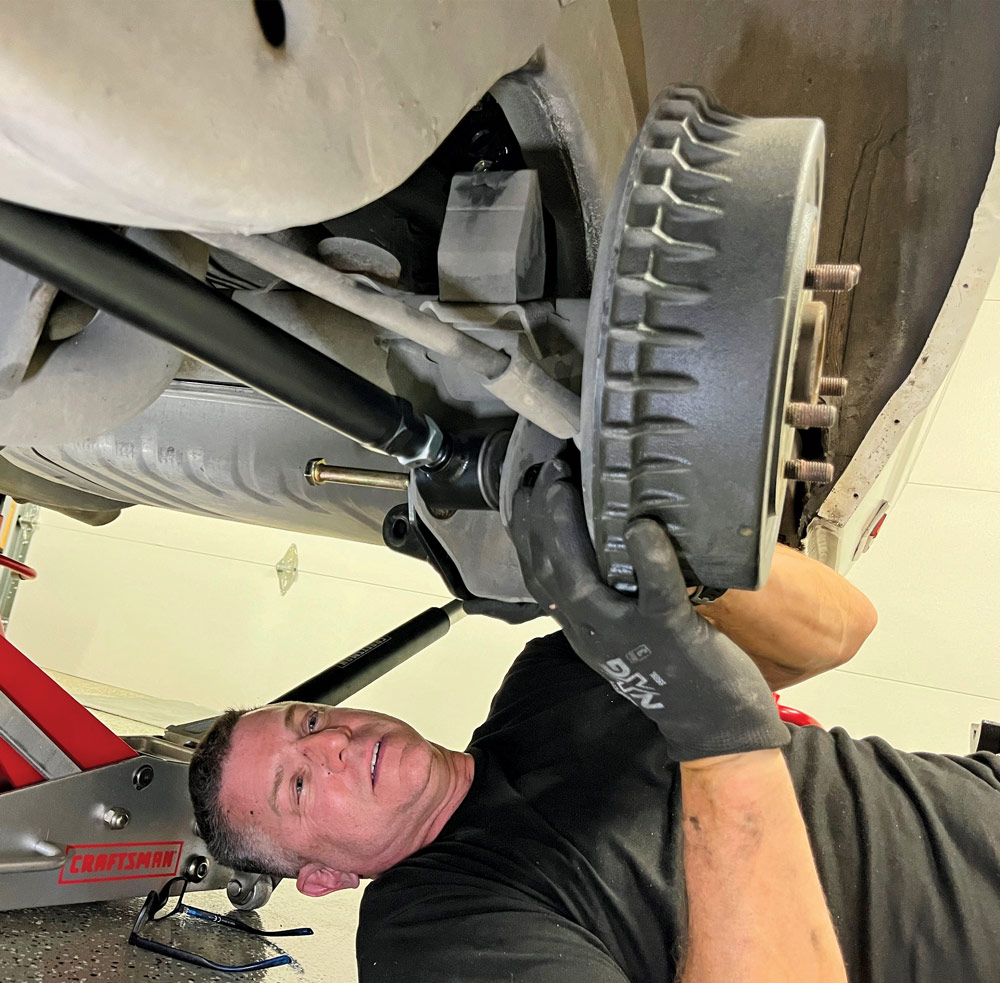
At the risk of overstating the obvious, there are almost innumerable advantages that come with coilover suspensions and bigger brakes, including greater feelings of control and stability and even aesthetic considerations in stance and ride-height adjustability. For our project, the suspension parts came from Holley’s Detroit Speed division, while the brakes came courtesy of Classic Performance Products (CPP). All the components were straightforward bolt-ons, so everything outlined in the accompanying photos and captions could be accomplished at home by someone with even moderate wrench-turning experience.
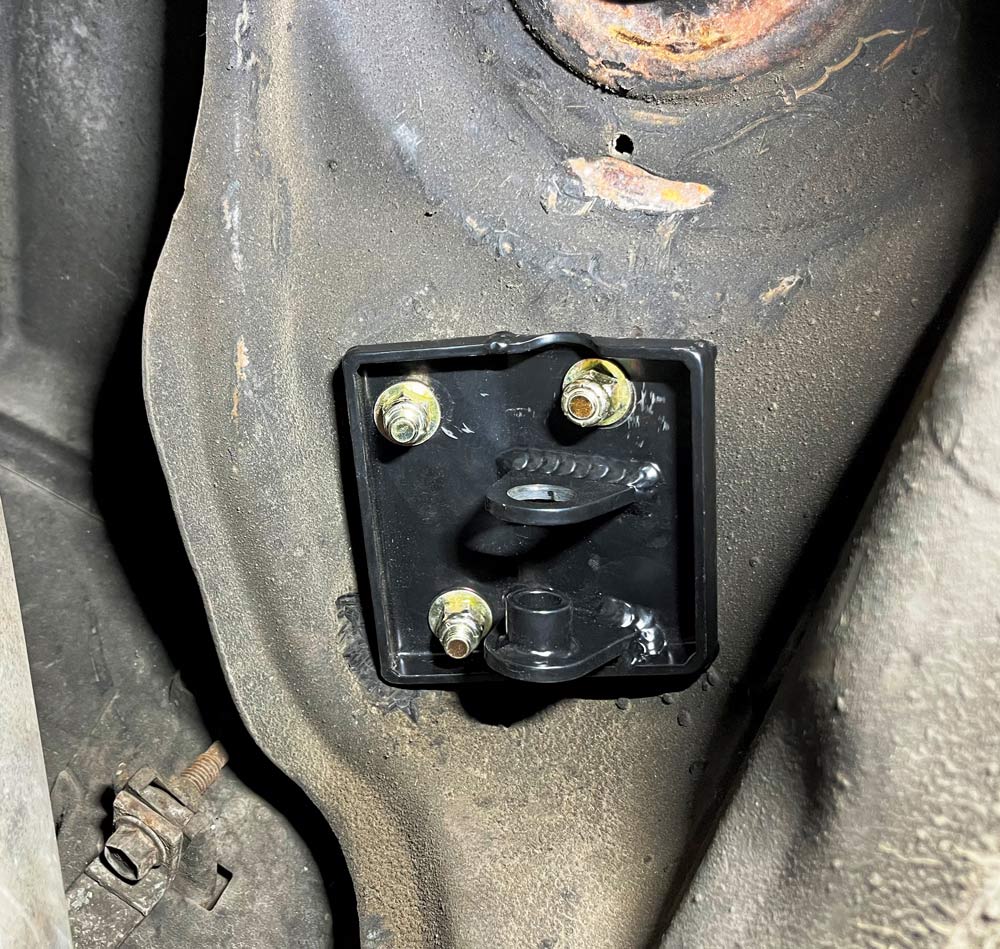
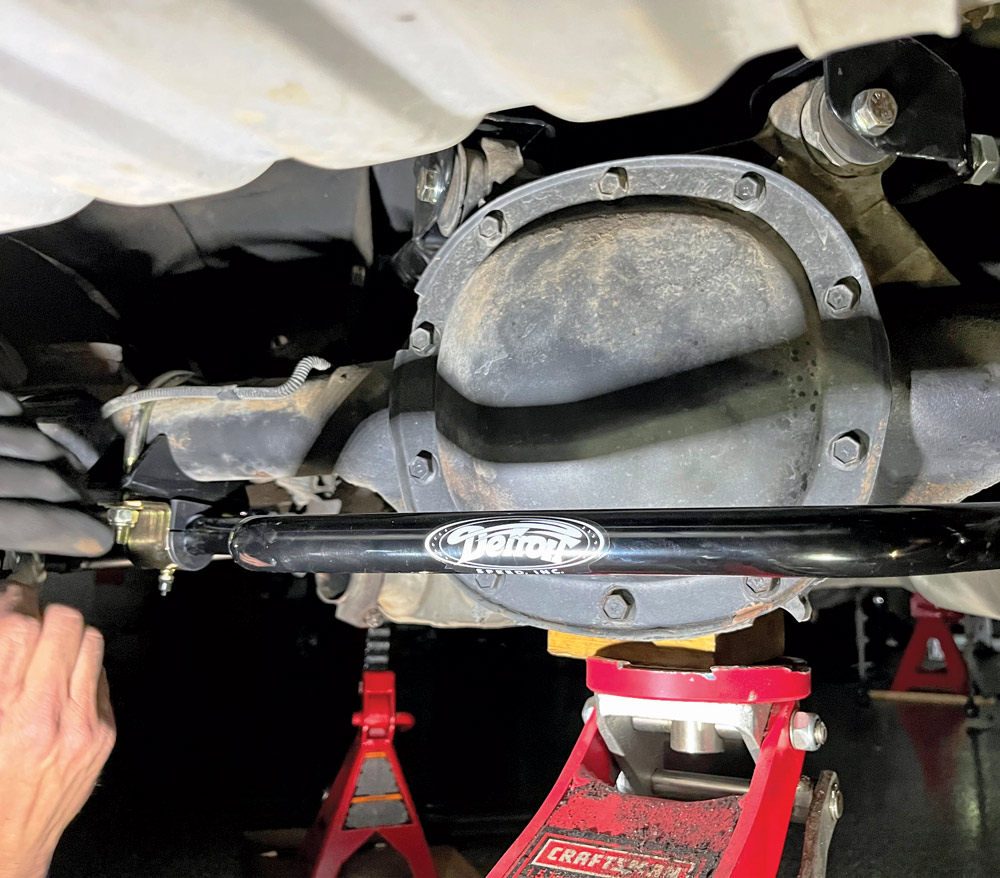
In addition to the coilovers for the rear suspension, the trailing arms were replaced with Detroit Speed’s Swivel Link rear suspension. The adjustable links eliminate bind in the suspension for full articulation and allow very easy pinion-angle adjustments to enhance traction and even reduce driveline vibrations.
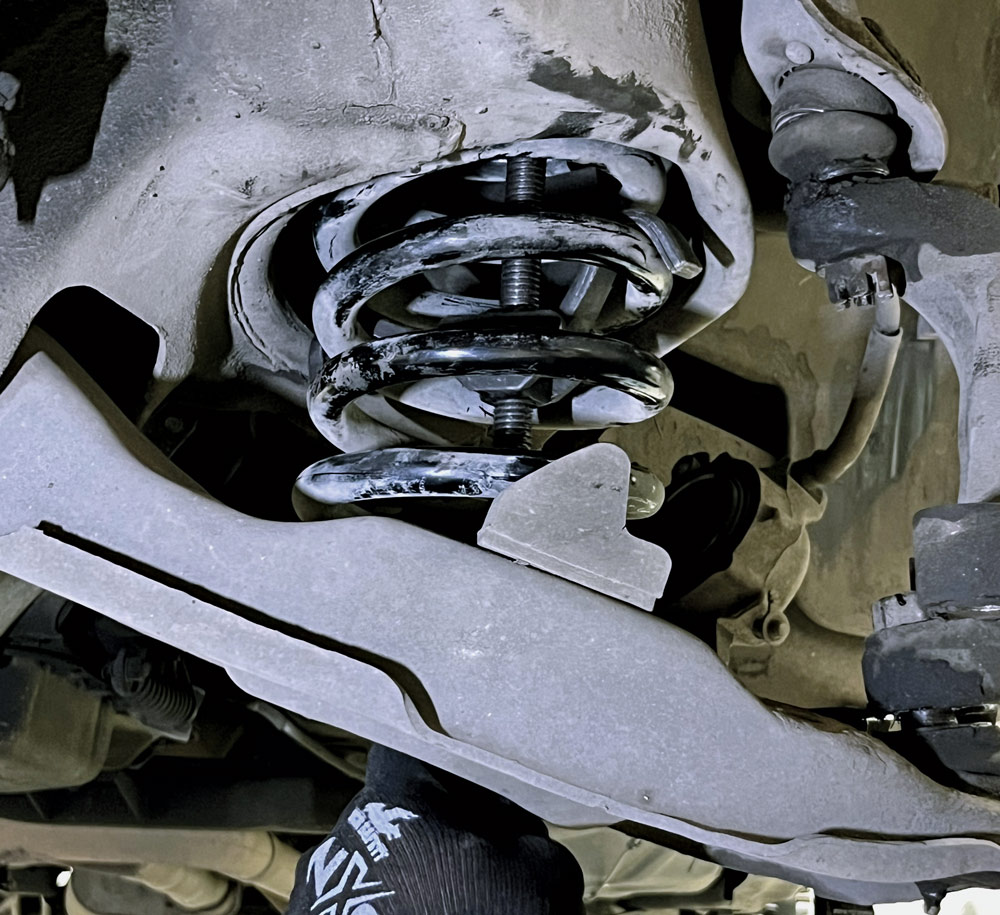
None of the various elements are too difficult to install, but a spring compressor is necessary for safety when removing the original front coil springs. They can often be rented for free at most auto parts stores.
The only significant caveat for this as a DIY project is the need for a front-end alignment after the new suspension components are installed. For most, that means a trip to the alignment shop; unless it is very close, it may have to be trailered. Again, it’s a safety thing.
This overall package highlights the basics of the various installation sub-projects, so it’s not meant to be an instruction guide. However, it provides a thorough overview of the tasks involved and shows their relatively easy bolt-on nature.
With more power under the hood and capability in the corners, this G-body lives up to its racing-inspired style.










 SOURCES