


 Photography by Brian Brennan
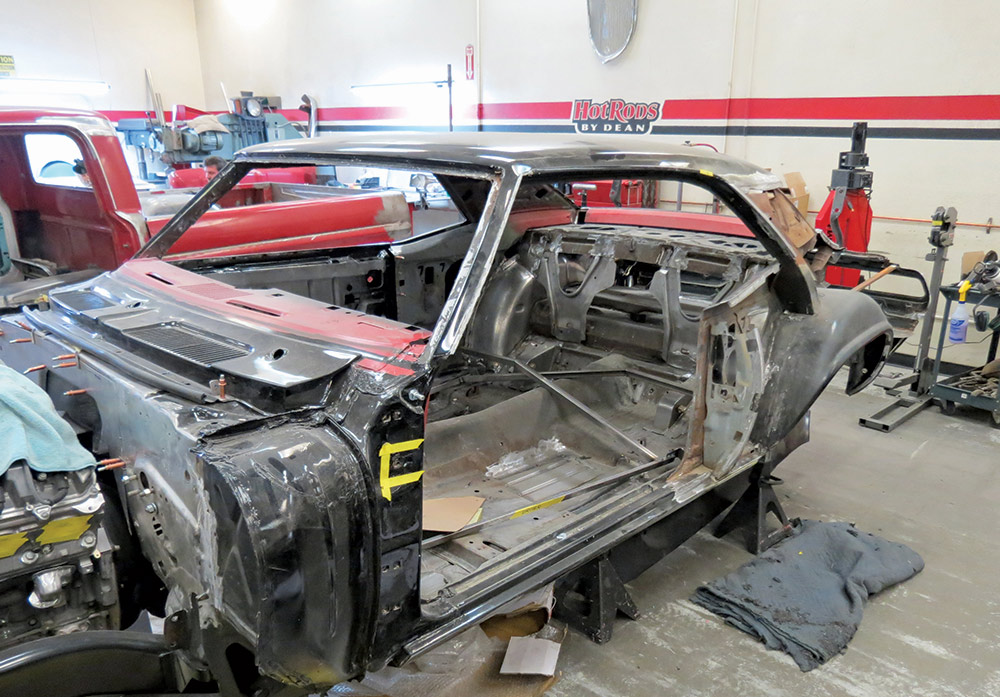
ust takes a toll on most vintage vehicles, and when one is resurrected to make a modern street machine, lots of repairs are usually in order. Fortunately, good-quality patch panels are available for most popular cars. In this case, we will follow Paul Gilbert at Hot Rods by Dean in Phoenix as he expertly fits panels from Auto Metal Direct (AMD) to a 1969 Camaro.
Every donor car is different, but the essential first step in any project is to carefully assess what sheetmetal parts need to be repaired or replaced. While this Camaro was in decent condition, the rust on the quarter-panels and many interior panels was extensive enough to make panel replacement a better option than trying to patch the original panels. This will often save time and give you better results.
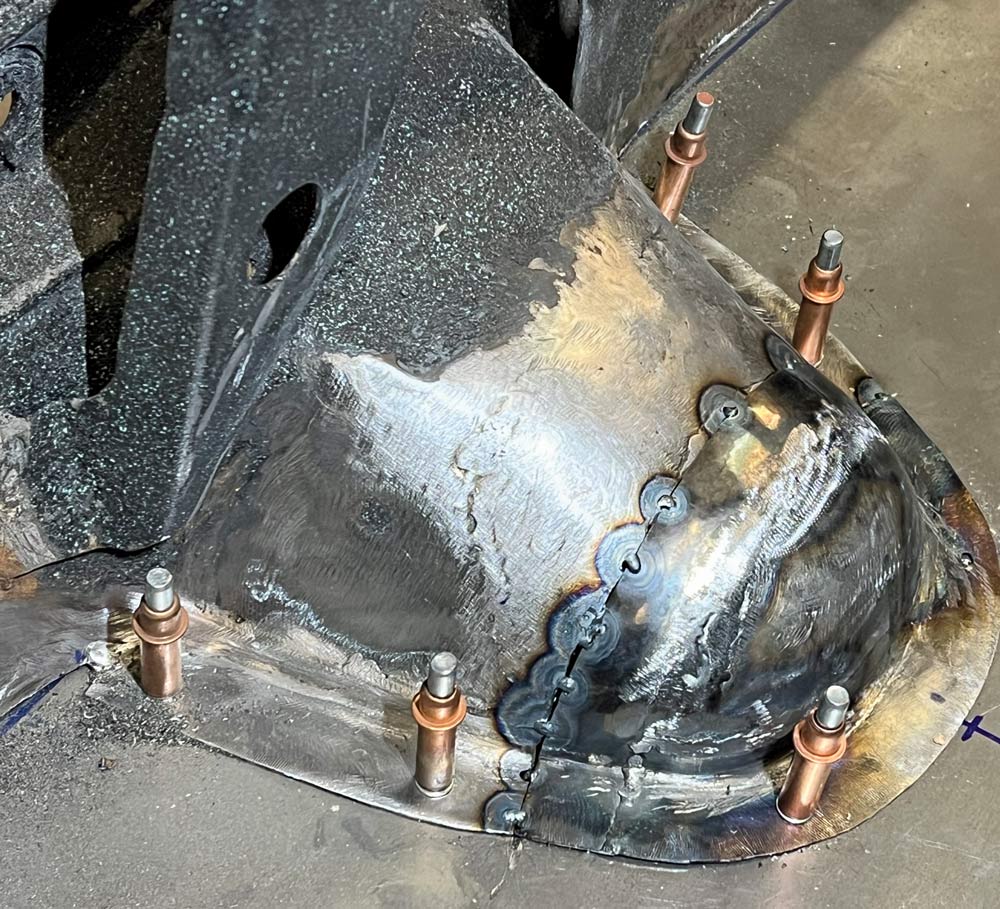
The quarter-panels are the largest body components that will be replaced, but the repairs and modifications to the floor and inner panels must be completed first. This build will use modern wheels and tires; the wheelwells must be modified to fit them. While cutting out and widening the original inner wheelwells is possible, when wider replacements are available that’s generally a better way to go. Fortunately, Detroit Speed & Engineering has inner wheelwell panels available that are 2.75 inches wider than stock—just the right amount for this build.
The first step was to add some bracing to the Camaro body so the alignment of all panels would be maintained as some of the structural panels were cut away. Next, the original inner wheelwell panels were cut out and the wider replacements were fitted and installed.
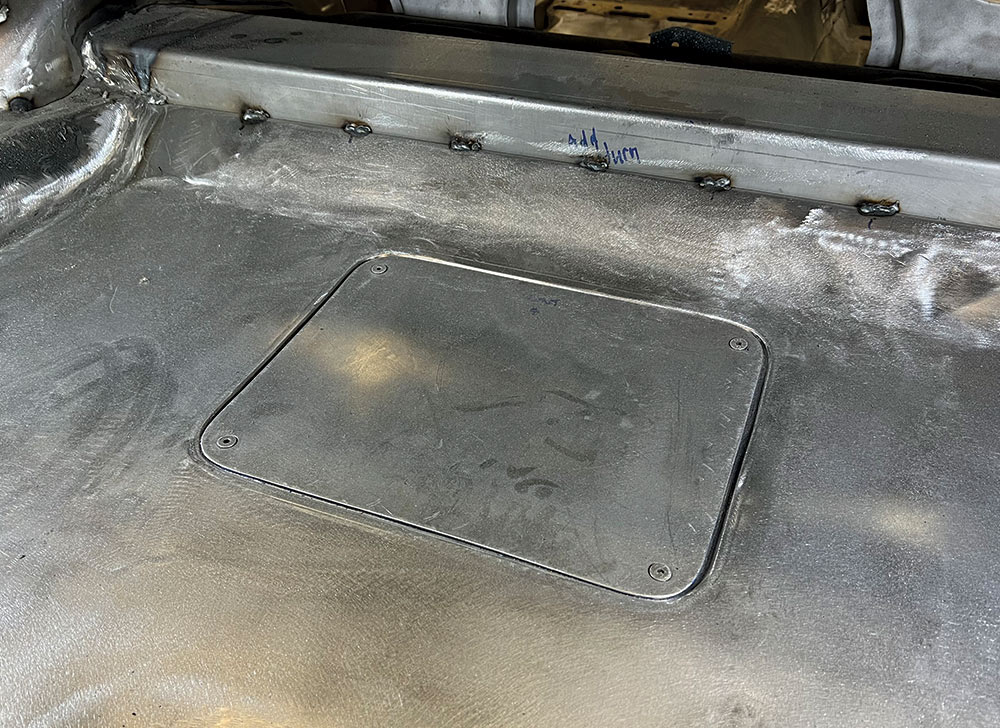
A new trunk floor was required, and since access was needed for a larger fuel tank, a flat sheet of 16-gauge steel was used. A hatch door was added to allow maintenance on the in-tank pump and access to the tank fittings.
The oversized fuel tank required a special, longer filler neck, and the original tunnel for the neck was modified to fit. All these modifications were ground smooth after welding to give the project a finished and professional appearance.
The lower panels behind the wheelwells were in poor shape, so new AMD replacements were used here. TIG welding was used for all these panels. While MIG welding would undoubtedly work, a skilled welder can get a smaller weld with the TIG process, which usually causes less distortion and makes it easier to work and finish the joint.
With all the preparation on the floor and inner panels completed, the car is ready to install the new quarter-panels. Look forward to the next installment where we’ll look at the details of this process, bringing the work to a high level of finish.







 SOURCES