
Modern Rodding Tech
InTheGarageMedia.com
1926 Ford Flathead with a red and black paint job and a high-performance flathead engine
1. Colin and Sue Radford’s T roadster is one of a kind—and best of all, it’s fun to drive.
Mix Master
Combining Unusual Pieces to Create Unique Parts
By Ron Ceridono Photography by Tate Radford
R

egular readers of Modern Rodding will recognize the name Colin Radford. We’ve been following along as he puts together a 1957 Ford Del Rio station wagon. While that Coyote-powered, Art Morrison–suspended two-door wagon is a perfect example of a contemporary build, Radford is also adept at turning out more traditional rides.

Radford is one of those hot rodders with the ability and creativity to turn a pile of cast-off parts into a unique hot rod. We offer his Flathead-powered 1926 T roadster as an example to prove that point. From the firewall back, the frame for the roadster was made from a pair of severed 1932 ’rails donated by the late Tex Smith, while the forward portion was made from 20-plus Buick pieces found at a scrapyard. Fellow Bonneville racer Wayne Atkinson donated the Whippet grille shell flanked by 1935 Cadillac headlights from another friend with Guide turn signals grafted on.

Power for the roadster comes from an 8BA Ford Flathead from a dump truck. It is equipped with early Navarro heads and a Navarro two-deuce intake. The heads and intake manifold were in the trunk of the 1936 Ford five-window Radford bought as a 13-year-old (we won’t tell how long ago that was, but Lyndon Johnson was president), and he still has the coupe today. The running gear consists of a 1939 Ford transmission hooked to a Columbia two-speed rear axle via a homemade open driveline conversion. It probably doesn’t come as a surprise that Radford was responsible for the body- and paintwork, and his talented wife Sue got involved by stitching the upholstery.

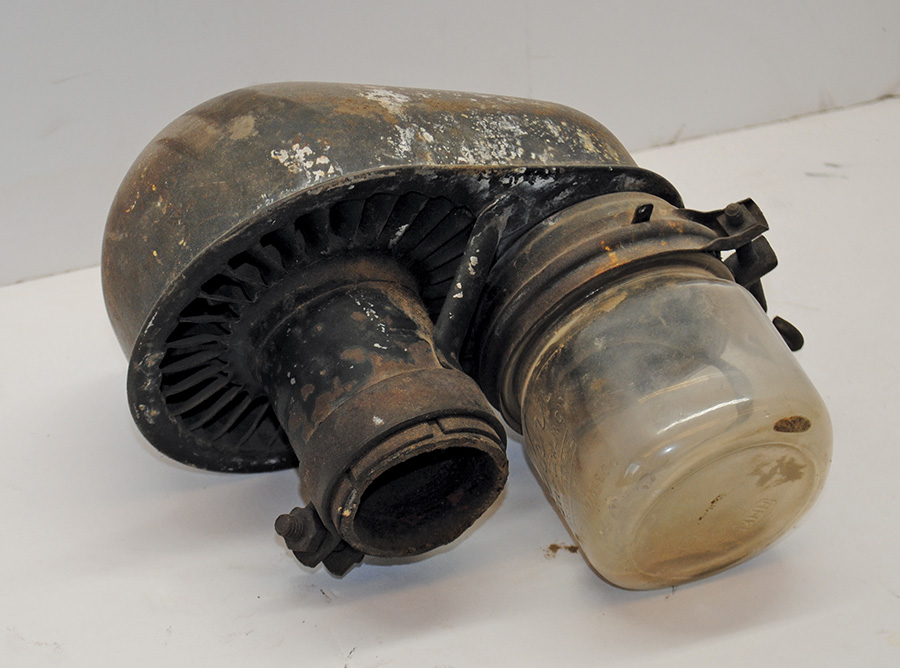
While we could go on about the one-off details of the Radford roadster that make even the most grizzled old-time hot rodders scratch their heads, the air cleaners defy description. We’ll reveal their source: they were from Farmall tractors. Like we said, give this guy a pile of parts and he can make a hot rod out of them.

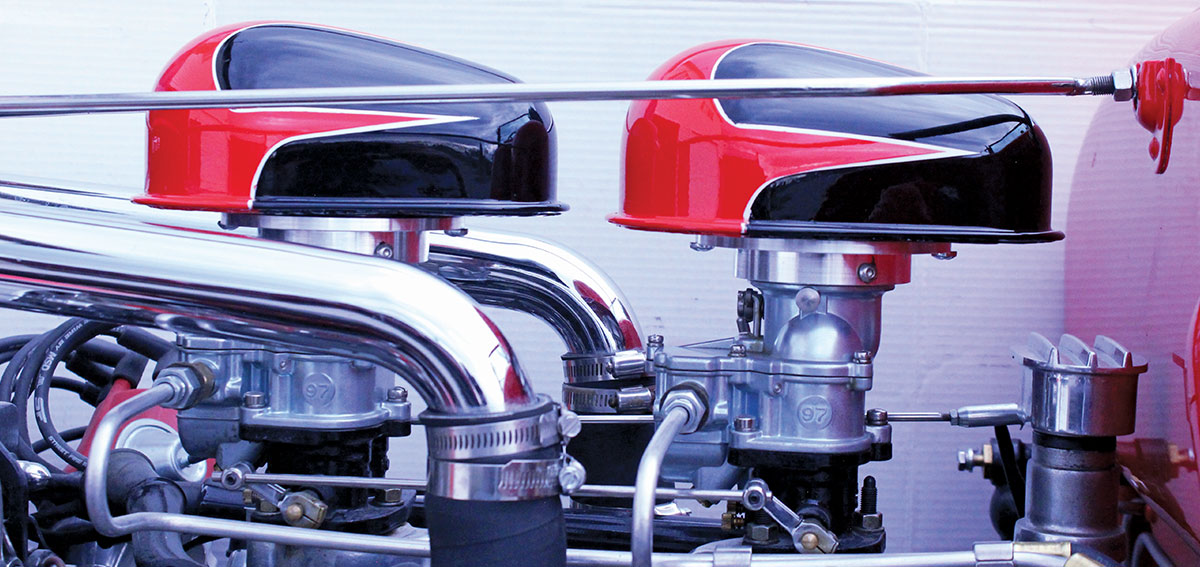
Close-up of dual carburetors with custom red and black air cleaners on a 1926 Ford Roadster
2. Topping off the vintage Navarro intake manifold is a pair of Stromberg 97 carburetors with genuinely unique custom air cleaners.
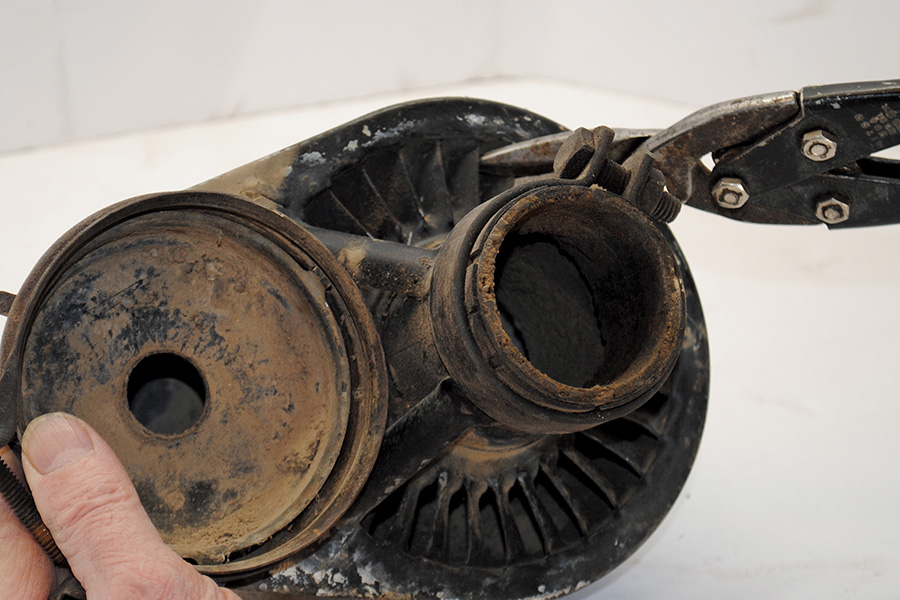
A dusty vintage air filter assembly, likely from an old vehicle, showing signs of age and wear
3. Colin made his custom air cleaners from a pair that were common on Farmall and other tractors. The glass jar caught some of the larger chunks of debris.
Rusted air filter housing being disassembled for restoration
4. After removing the glass jars, the bottom of the air cleaner assemblies was cut away.
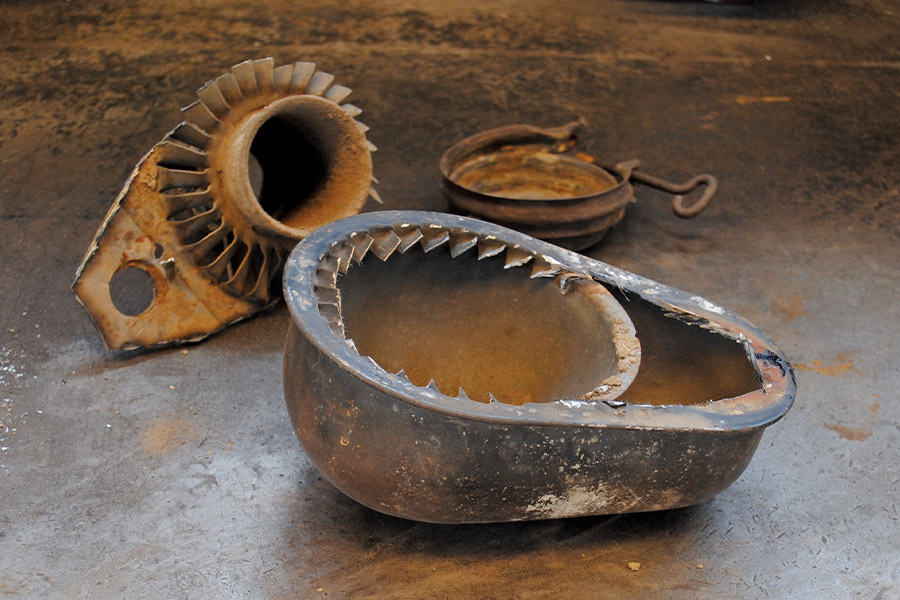
The disassembled parts of an aged air filter housing placed on a workshop table
5. With the bottom of the housing gone the remaining internal structures were cut out.
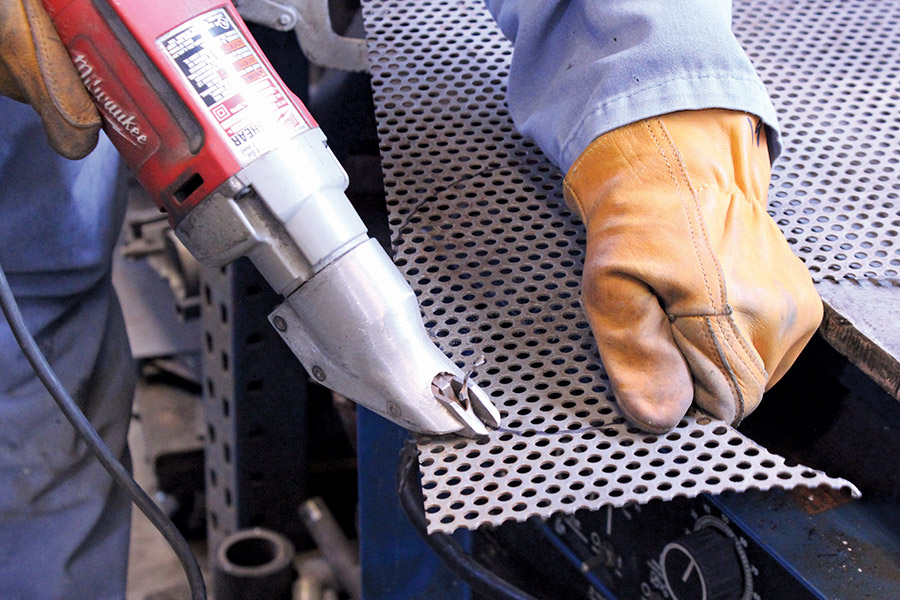
Perforated metal being cut with power shears during a restoration project
6. New bottoms for the air cleaner housings were cut from perforated metal.
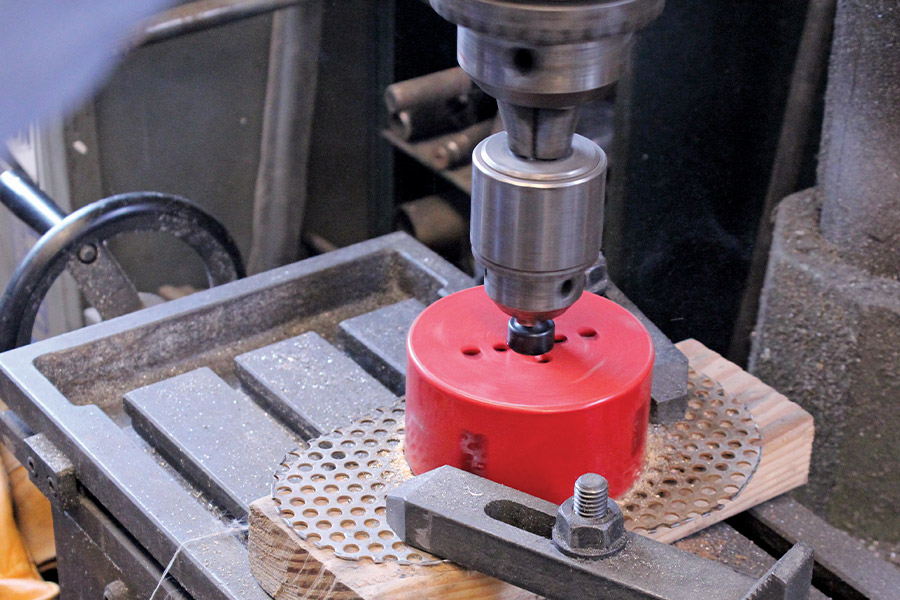
Red hole saw in use on a drill press for precise metalwork
7. With replacement bottom pieces trimmed to size, holes were cut for air cleaner elements.
Metal shaving on a lathe, creating a custom part for a restoration project
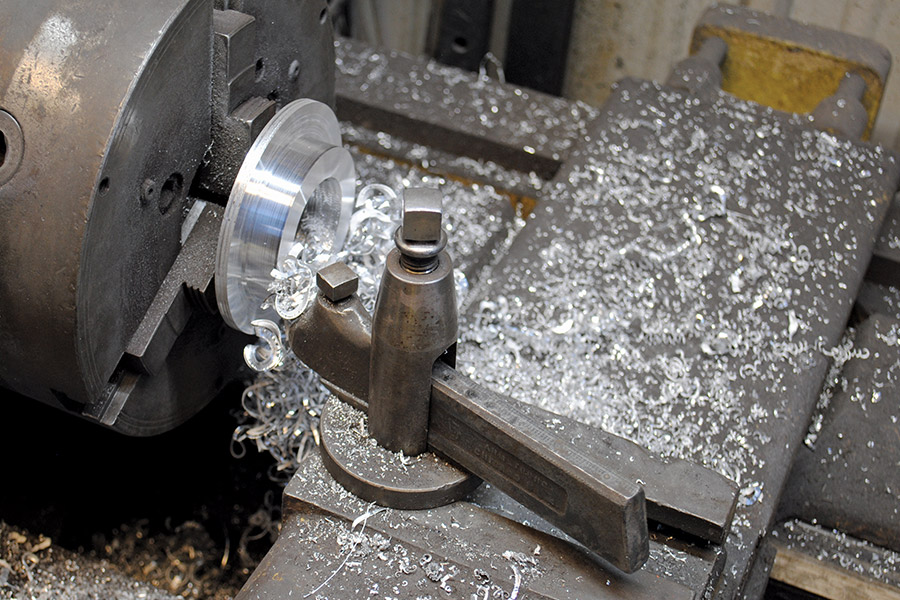
8. An aluminum pair of “adapters” were machined to mount the air cleaners to the carburetors.
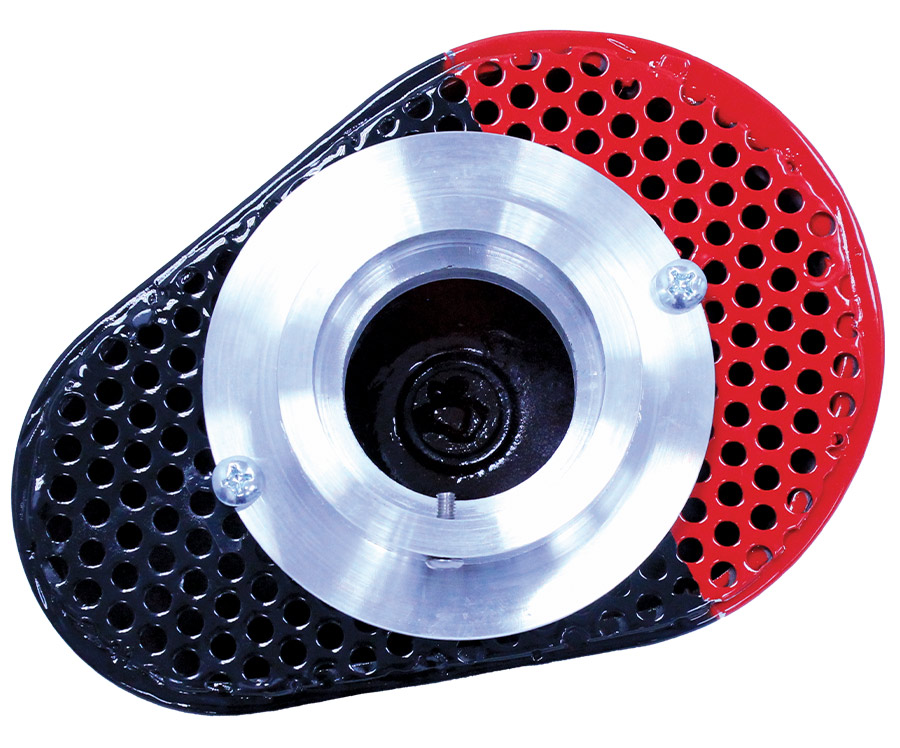
Completed custom perforated metal part with a machined center piece
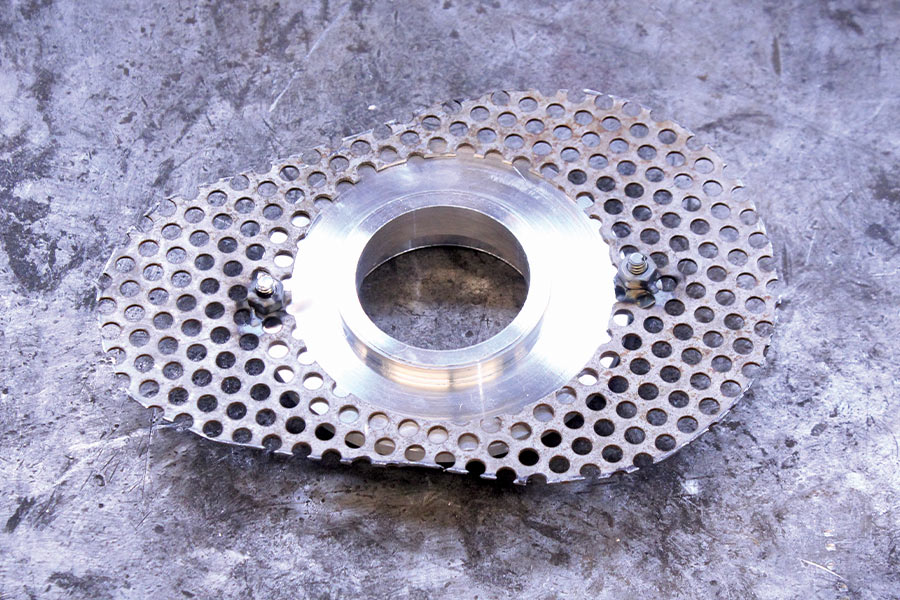
9. The adapters bolt to the bottom screens and are secured by nuts that are welded on the inside surfaces.
Welding in progress, securing metal parts during a vehicle restoration
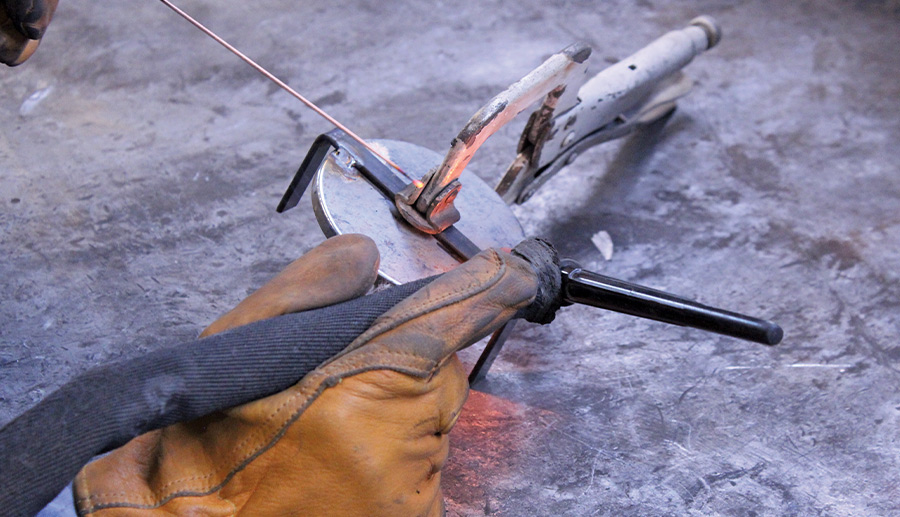
10. A pair of old two-barrel air cleaner tops were welded to U-shaped brackets made from flat stock.
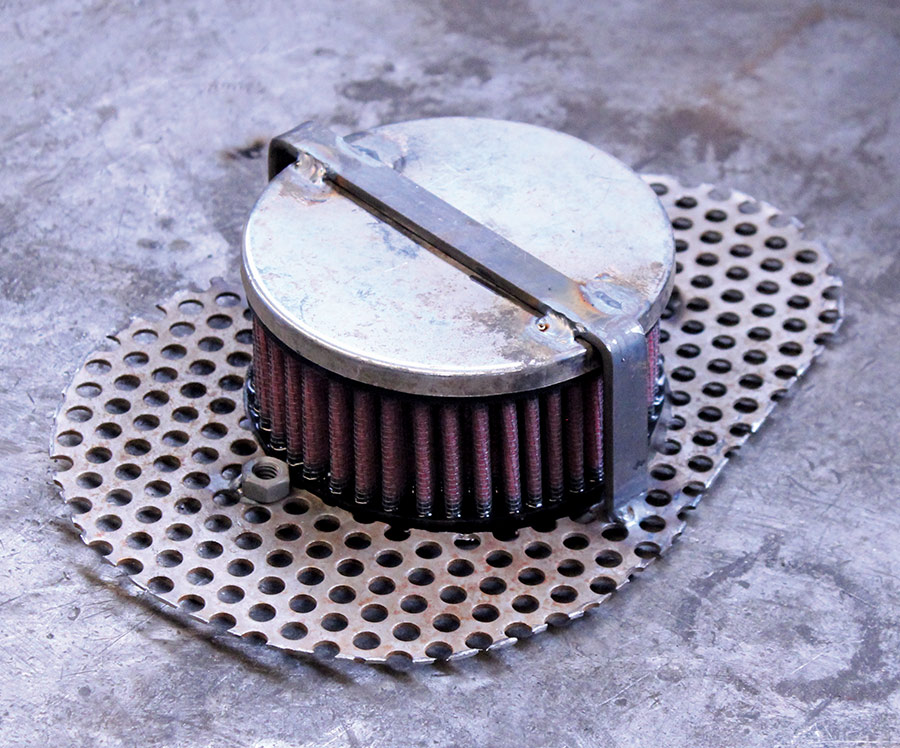
A metal air filter cover in progress, mounted on a perforated backing plate during the restoration process
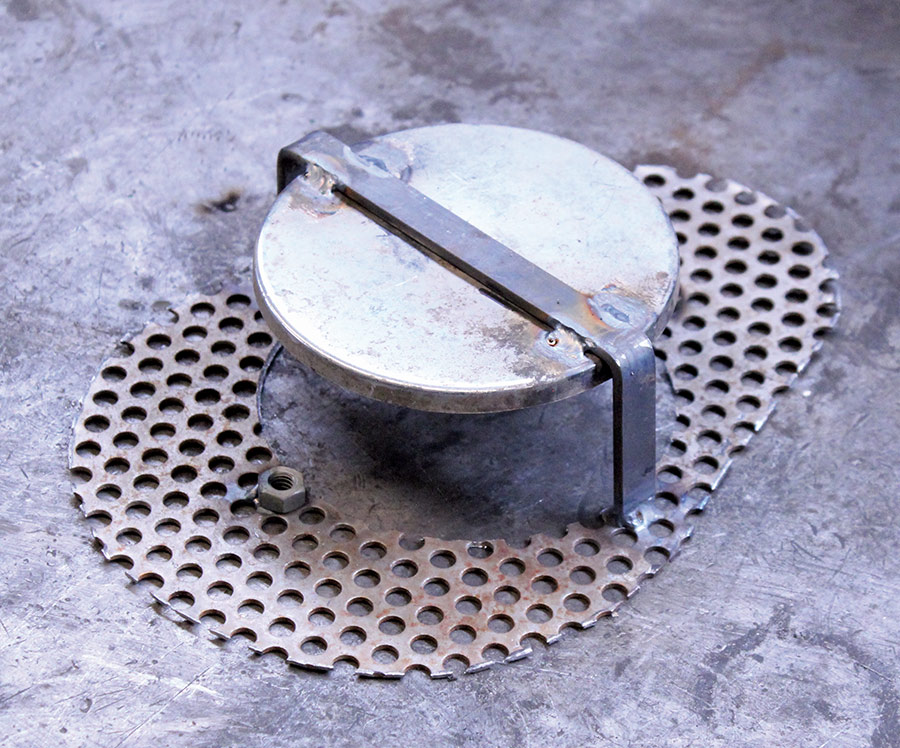
11. The brackets were welded to the top sides of the new bottom plates.
The same air filter cover, now with the filter element installed, on a workshop table
12. The air cleaner elements slip in from the bottom; they are held in place by the aluminum adapters.
Completed air filter housing with a custom red and black finish and polished center, ready for installation
13. With the perforated plates welded to the upper parts of the housings, the air cleaner elements are changed by removing the two bolts, the adapters come off, and the elements drop out.
Close-up of dual carburetors with custom red and black air cleaners on a 1926 Ford Roadster
14. To secure the air cleaners to the carburetors, there are button-head setscrews in the adapters.
SOURCE
Modern Rodding
VOLUME 5 • ISSUE 50 • 2024