

How to Build an Award-Winning 1932 Ford Chassis

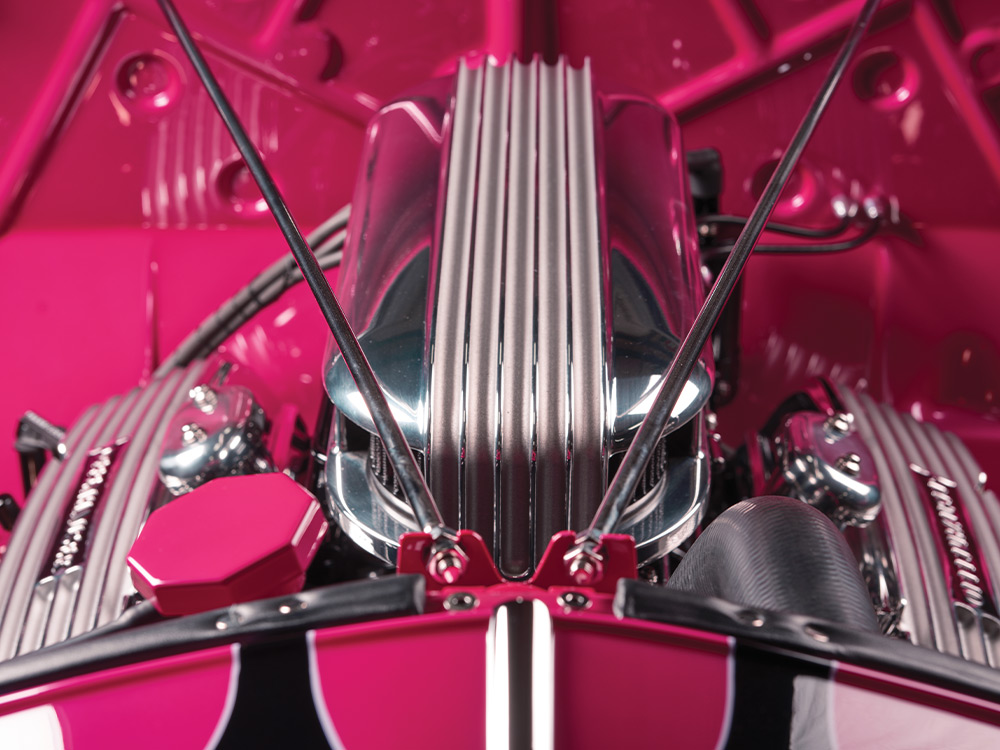
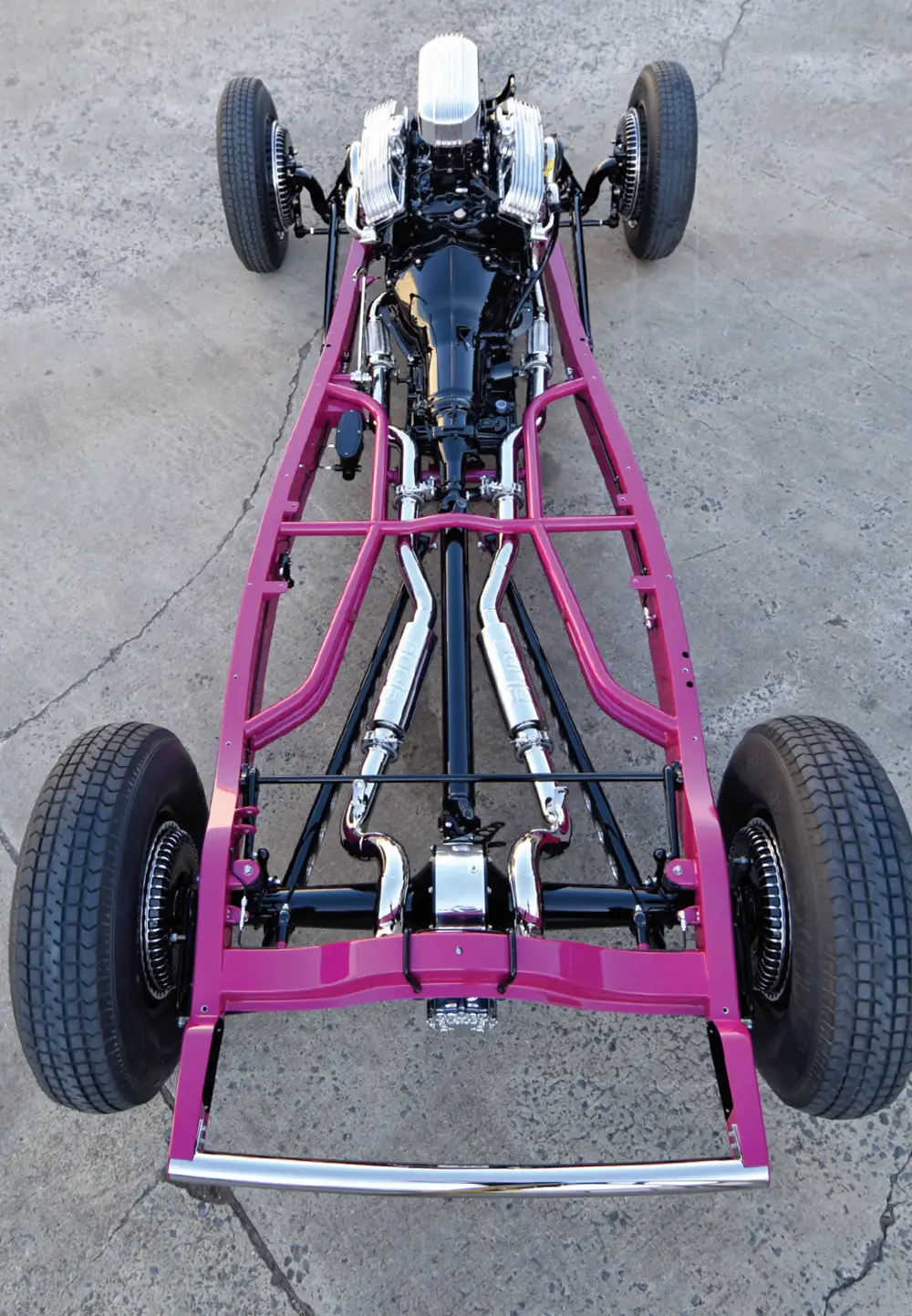
1. Johnson’s Hot Rod Shop (JHRS) completed the chassis for MeKenzie Murphy’s 1932 Ford roadster in a vibrant shade of magenta. For contrast, many of the suspension components were painted black rather than chromed.
 Photography by Jessica Roach
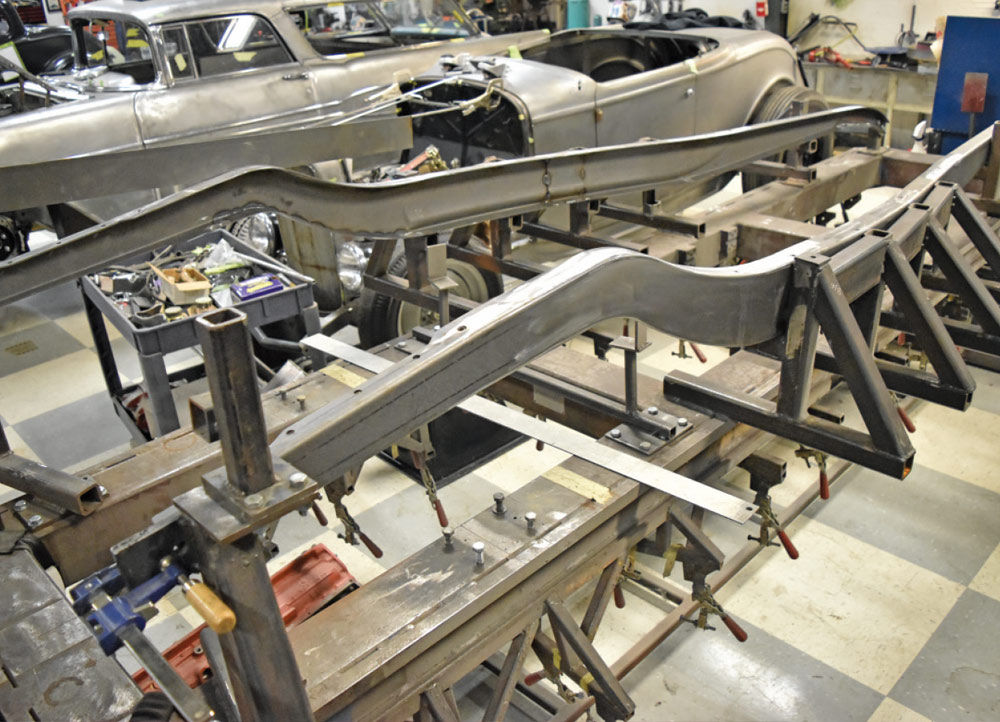
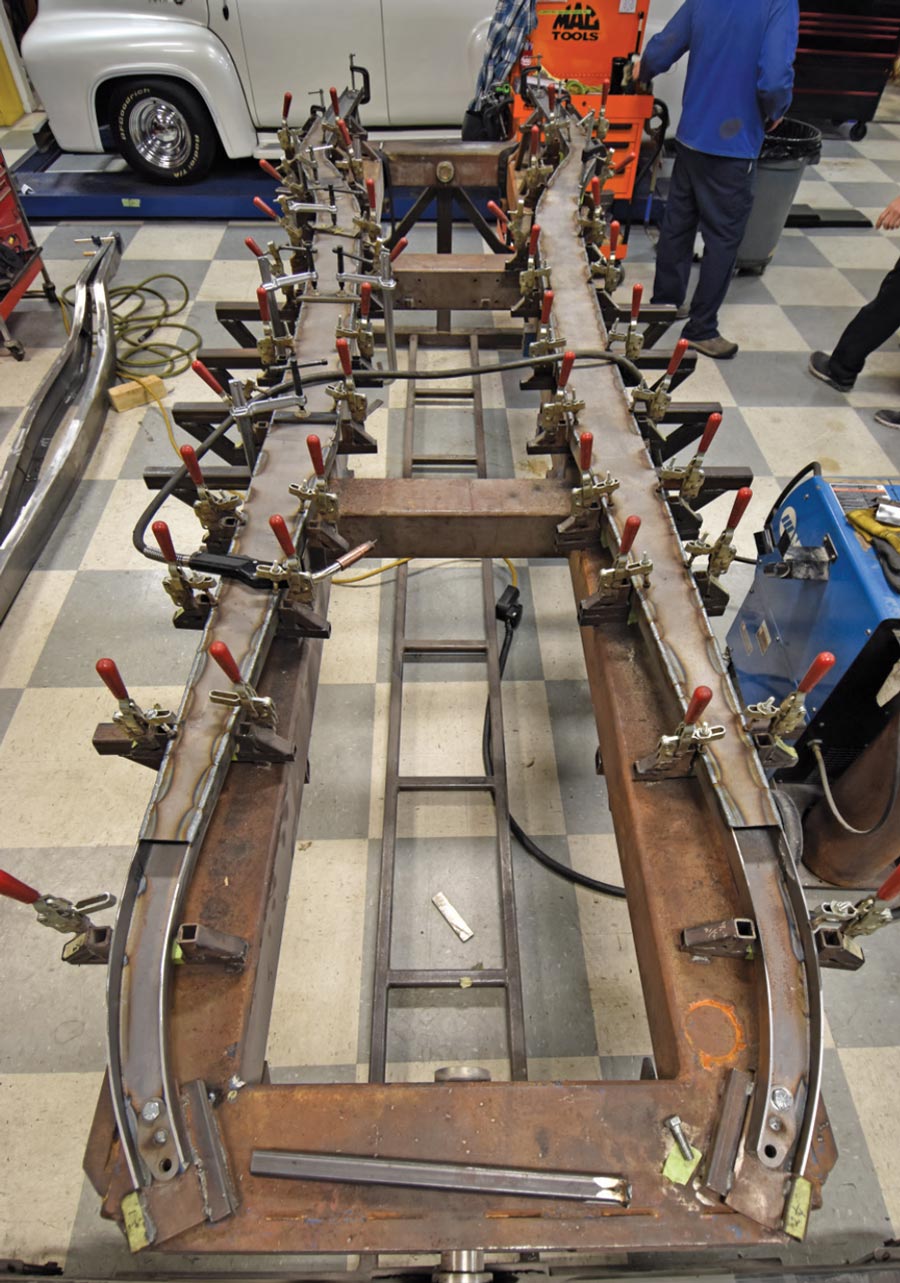
here’s an old saying that beauty is only skin deep—but nothing could be further from the truth when it comes to hot rods. For those who appreciate the meticulous mechanical execution of a hot rod chassis, that is beauty, too. To prove the point, we look at what’s under the skin of MeKenzie Murphy’s 1932 Ford roadster, built by Alan Johnson and the crew at Johnson’s Hot Rod Shop (JHRS) in Gadsden, Alabama.
Johnson created the equivalent of a seismic event that rocked the hot rod world in 1993 when he rolled on the scene in a remarkable 1937 Ford cabriolet. The craftsmanship and attention to detail caught the attention of everyone who saw it in person or on the pages of the many magazines it appeared in. The buzz that car created helped give rise to JHRS opening its doors in 1994.
Since its inception, JHRS creations have won the Ridler award, Goodguys Street Machine of the Year, too many to count Pro’s Picks, along with others. While the cars turned out by Johnson and crew have included traditional hot rods, muscle cars, trucks, and even Bonneville racers, they all had one thing in common: scrupulous attention to detail and execution. A perfect example of the shop’s capabilities is the 1932 Ford highboy built for Murphy that won Best Street Rod at the 2024 Triple Crown of Rodding and was featured in the Dec. ’24 issue of Modern Rodding.
Another new development at JHRS is the recent acquisition of Walker Radiator Works, which included tooling, equipment, and proprietary manufacturing techniques. Under the new name, Johnson’s Radiator Works, the goal is to continue providing the best copper and brass cooling systems.
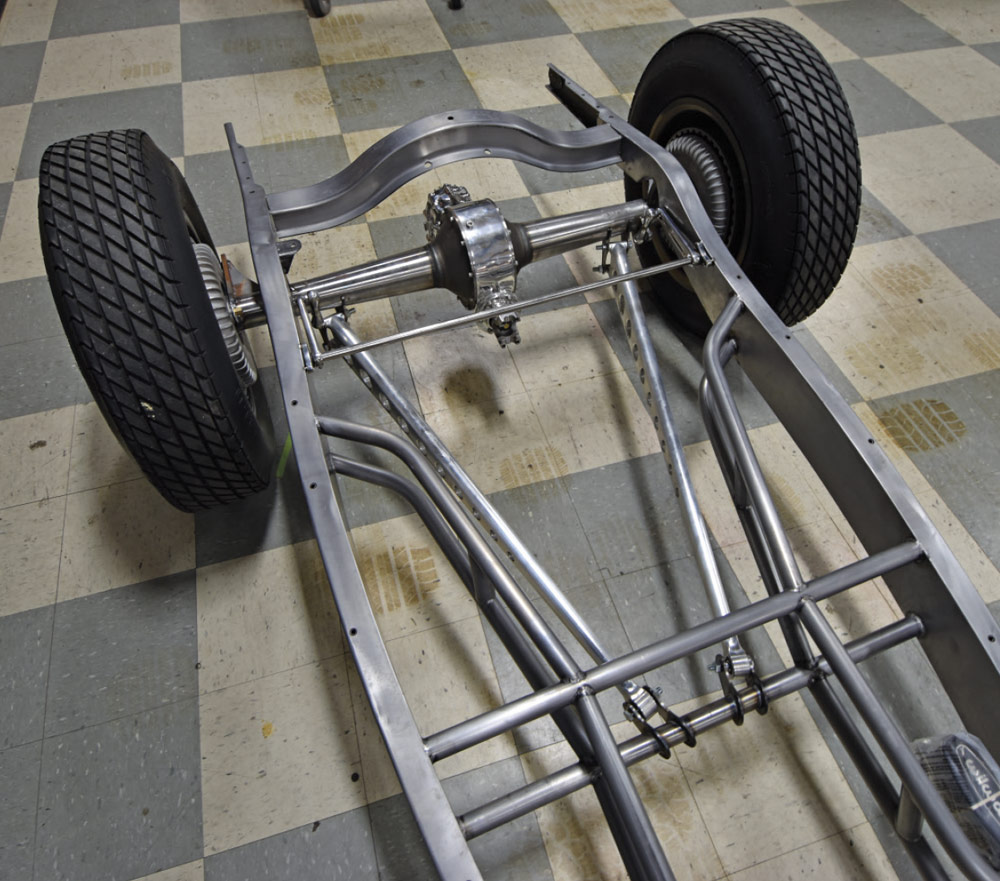
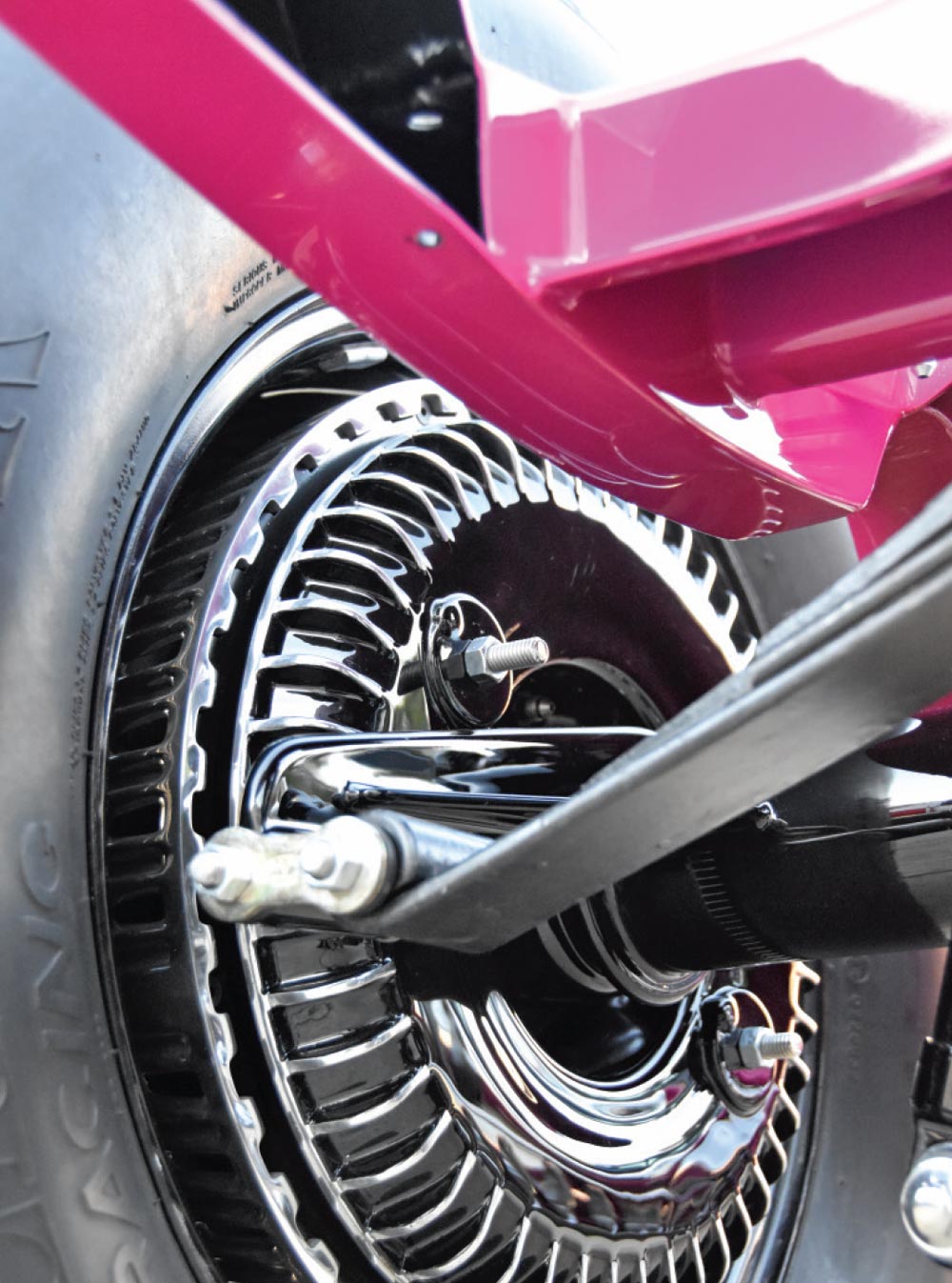
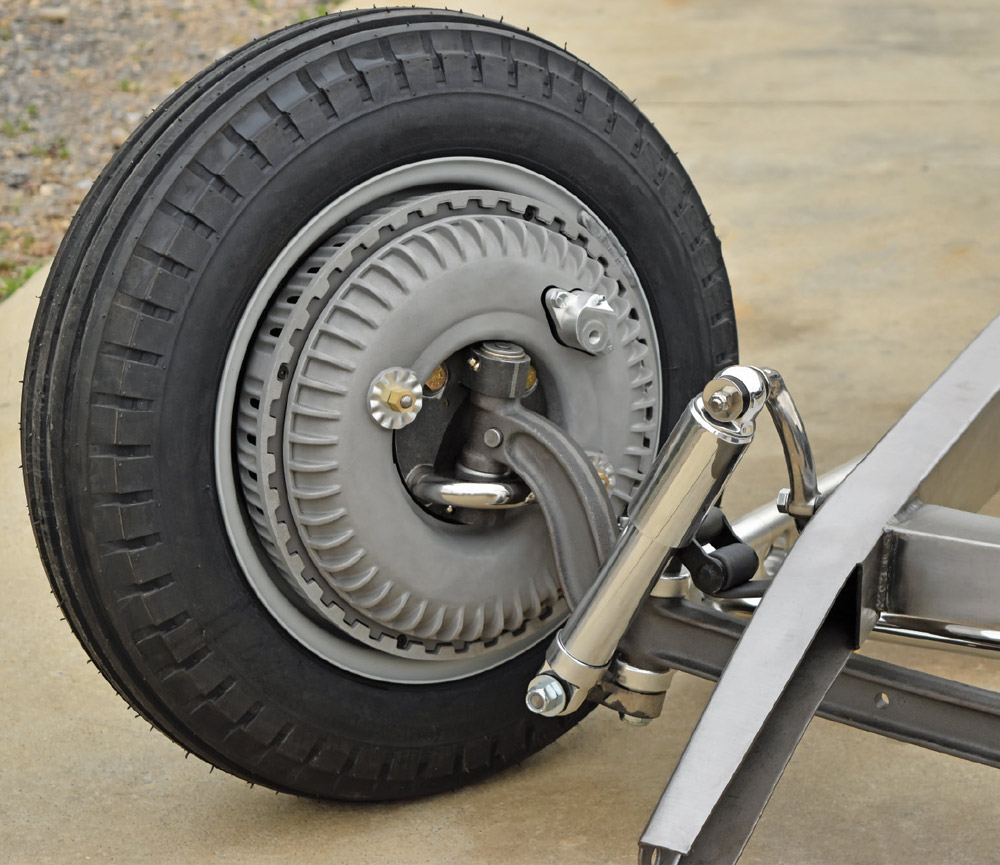
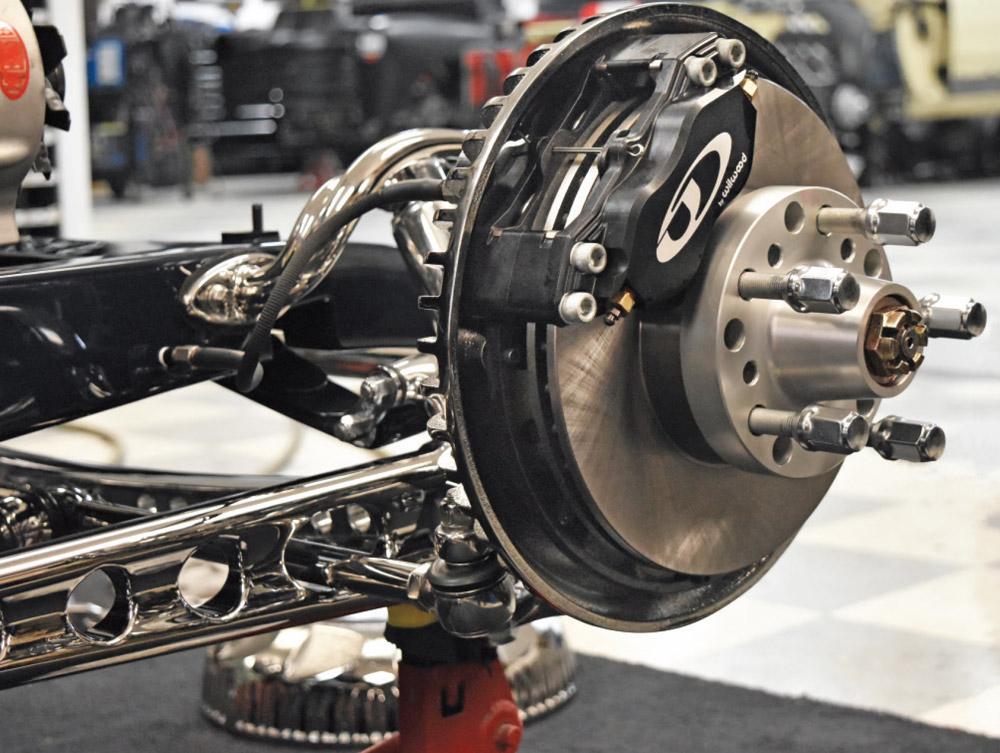
While there are many options to choose from, one of the most eye-catching features on this roadster’s chassis are the JHRS Kinmont Safety Stop Brakes. These are faithful visual replicas of the rare and highly sought-after original Kinmont Safe Stop Brakes. These unique disc brake conversions for early Fords are tough to find and extremely expensive if you are lucky enough to discover a set. JHRS has combined the look of the original Kinmont’s with modern internal components. The front brakes feature Wilwood calipers with vented rotors, while in the rear, there are drum brakes.
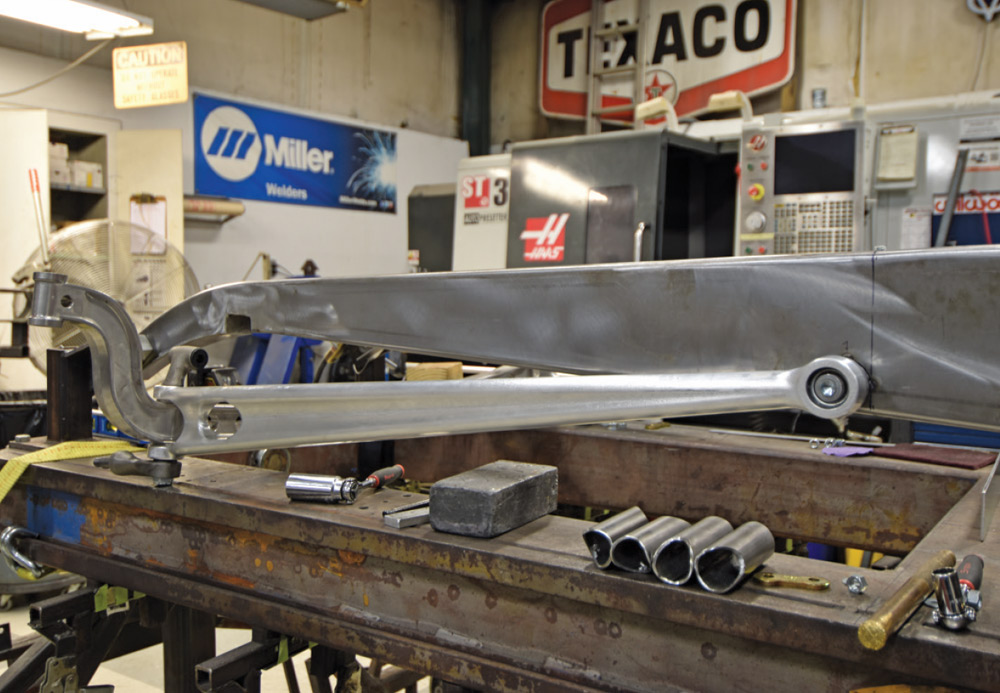
Along with the custom modifications made, a variety of JHRS “signature” components can be found on the chassis of Murphy’s award-winning roadster. These parts blend tradition and technology, including aluminum radius rods and ladder bars, unique steering components, like the one-of-a-kind tie rod/draglink arrangement, dropped steering arms, combination headlight and shock brackets, and Kinmont brakes, with even more to come. What’s really cool is that you can also have those very same parts on your car thanks to JHRS.






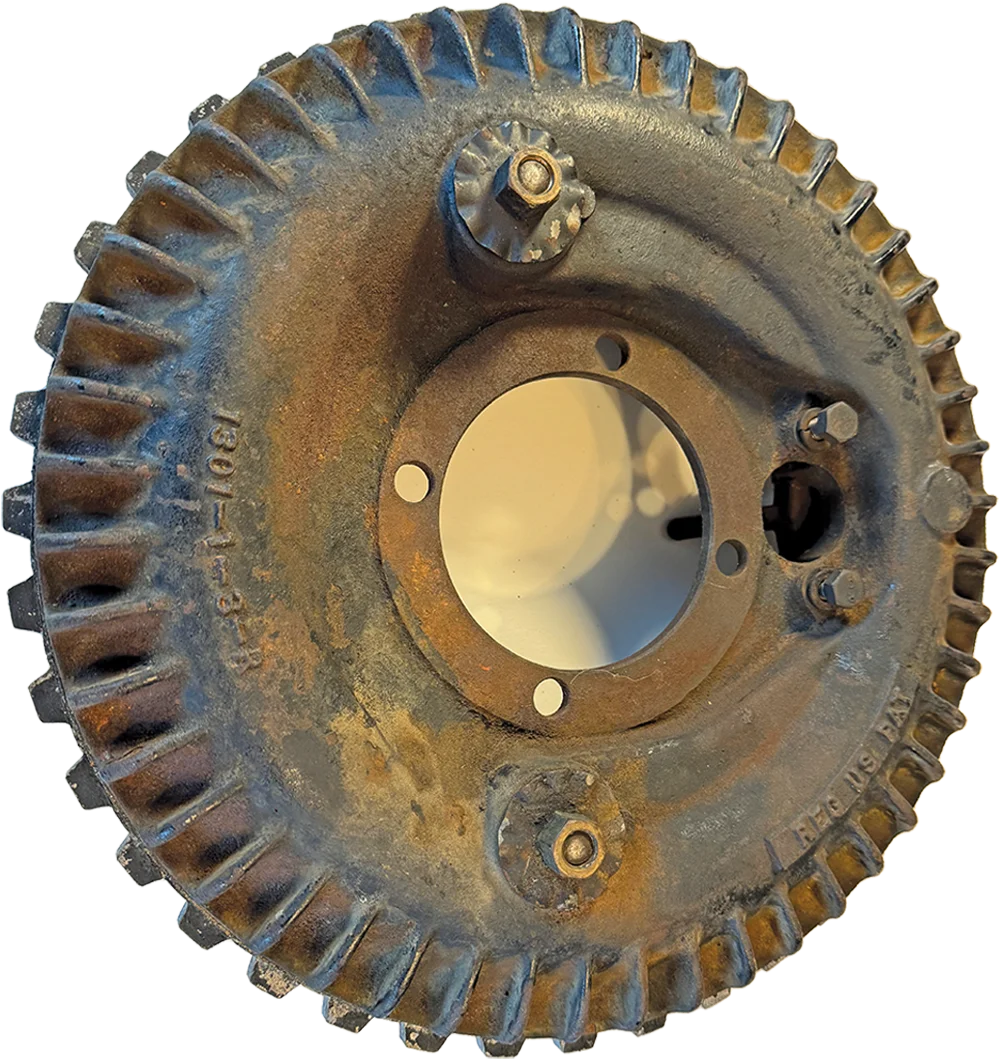
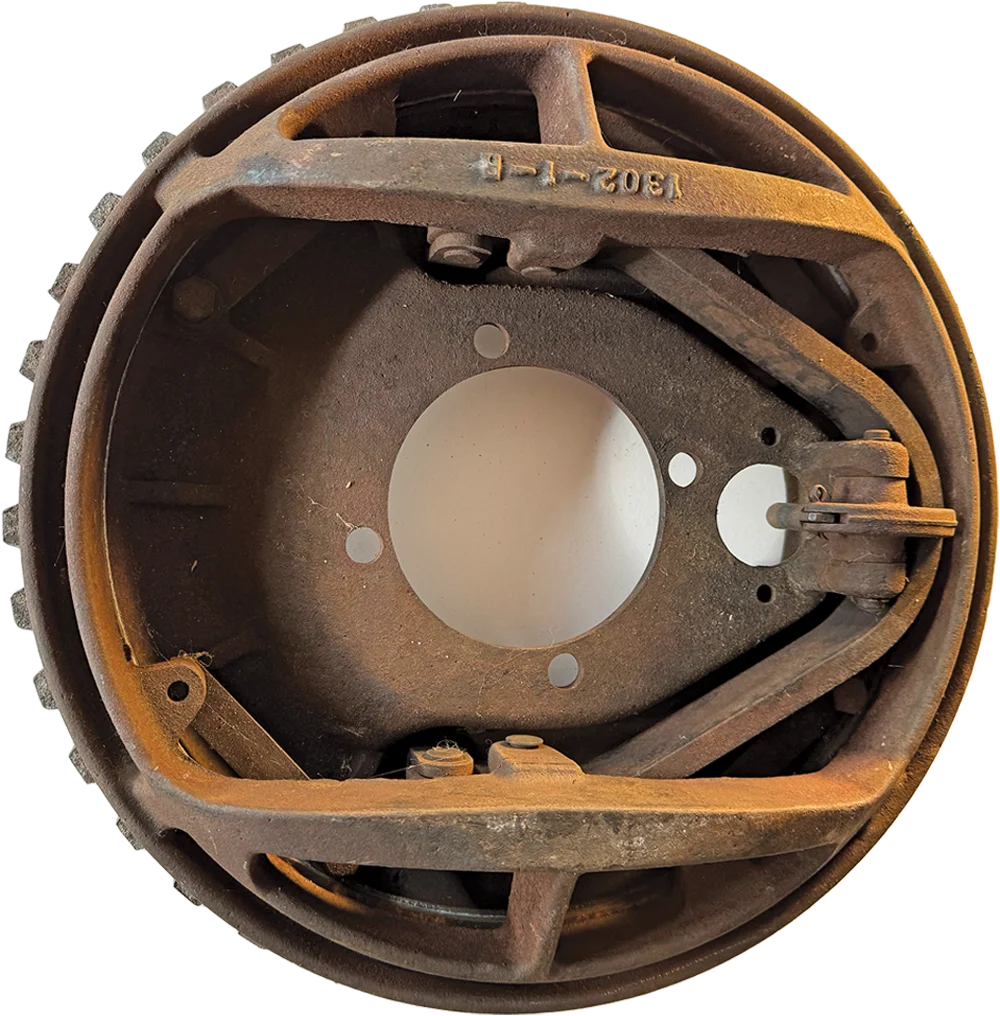
Kinmont Brakes Then and Now
Original Kinmont Photos Courtesy of Jay Fitzhugh
he original Kinmont brakes available as an update for Fords used a stationary circular plate (similar to a clutch pressure plate) mounted to a backing plate while the friction material was attached to the rotating “drum” that included cooling scoops. A hydraulic cylinder mounted to the backing plate pressed the circular plate against the friction material, the car came to a stop, and flat strap springs retracted the pressure plate when the brakes were released. According to our friend Jay Fitzhugh, who has painstakingly researched Kinmont brakes, they proved to be a noticeable improvement over stock Ford hydraulic brakes and were also very reliable.
Today, original Kinmont brakes are extremely rare and expensive. Still, JHRS offers their version of the Kinmont Safety Stop Brakes for those who want a vintage look with contemporary performance.





 SOURCE