

 Photography by Jay Doerfler
uto Body Specialists in Manchester, New Hampshire, has a long history of beautifully crafted Pro Touring builds. The owner, Jay Doerfler, aims to make each project a bit nicer than the last. We will follow the build of Pat Floyd’s 1969 Camaro, which showcases remarkable detail work at every glance.
This time, we’ll focus on the exceptional work done on the core support and front wheelwells. While these may seem like simple components, the effort devoted to perfecting the shape, fit, and finish is truly unmatched—as you’ll see in the photos.
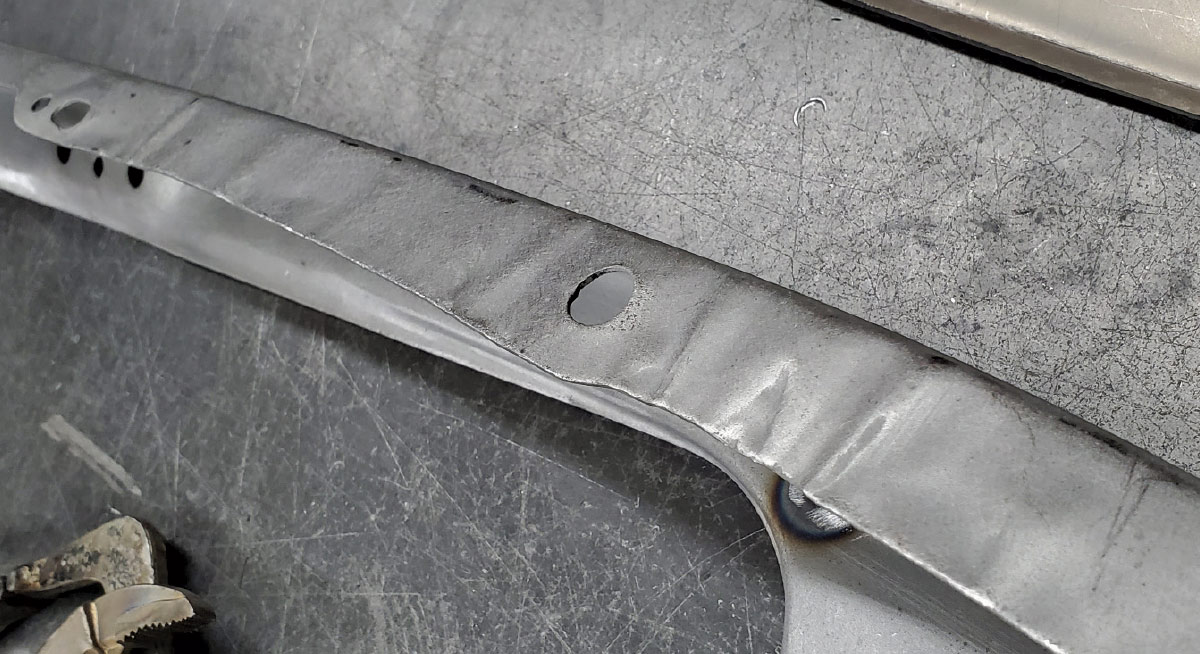
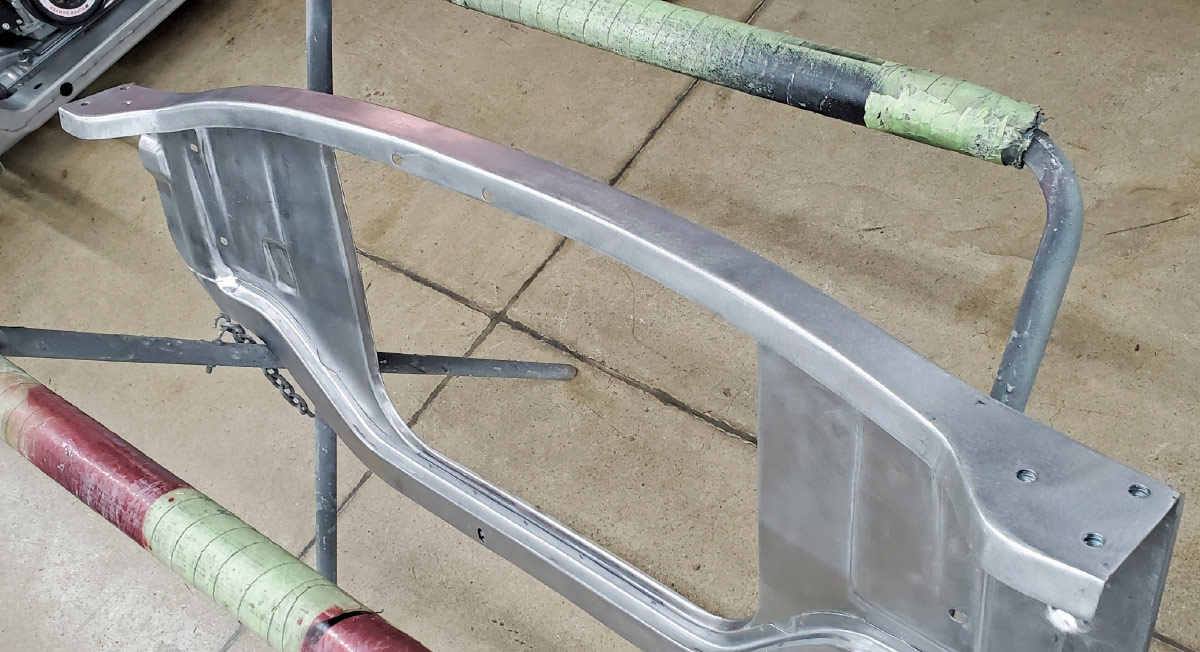
The core support had serious issues, so the first step was to repair all the damaged sections. Next, several reinforcements were added and all incomplete areas were capped or boxed in. Finally, every surface was perfectly polished to perfection for reinstalling this crucial structural component.
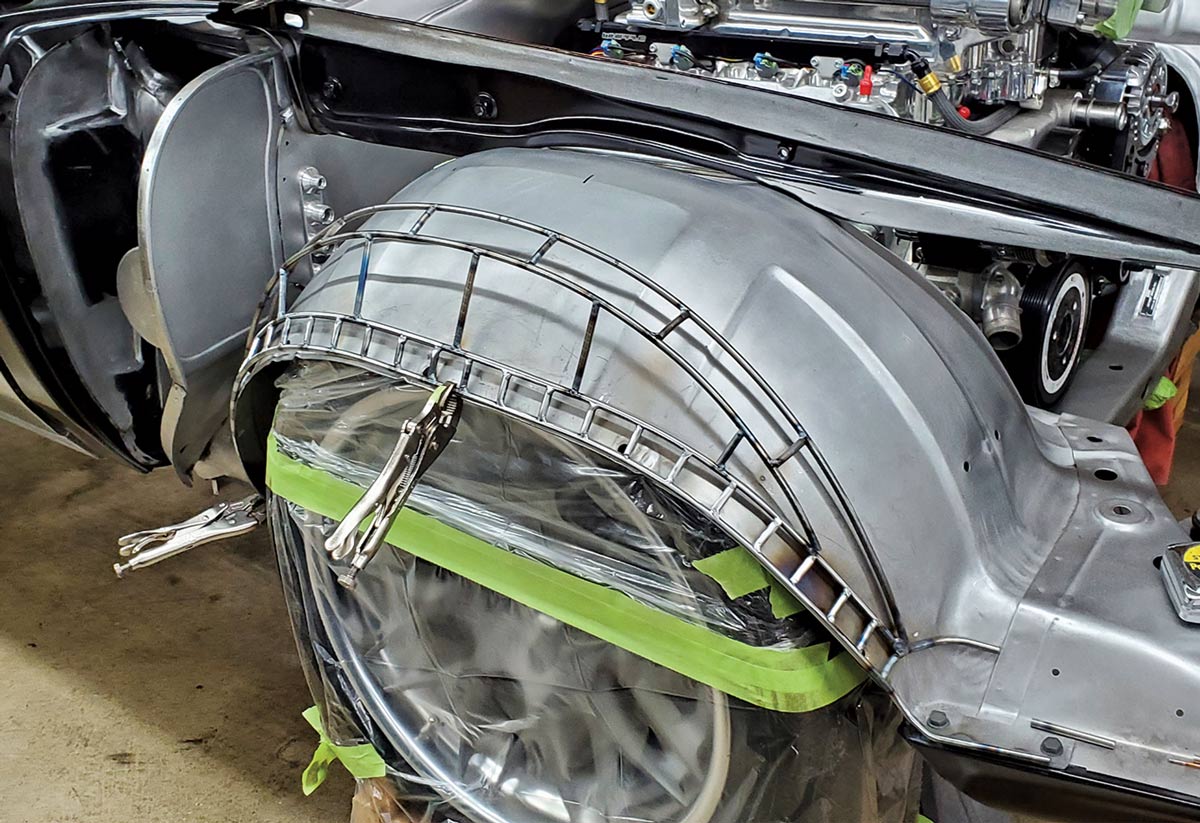
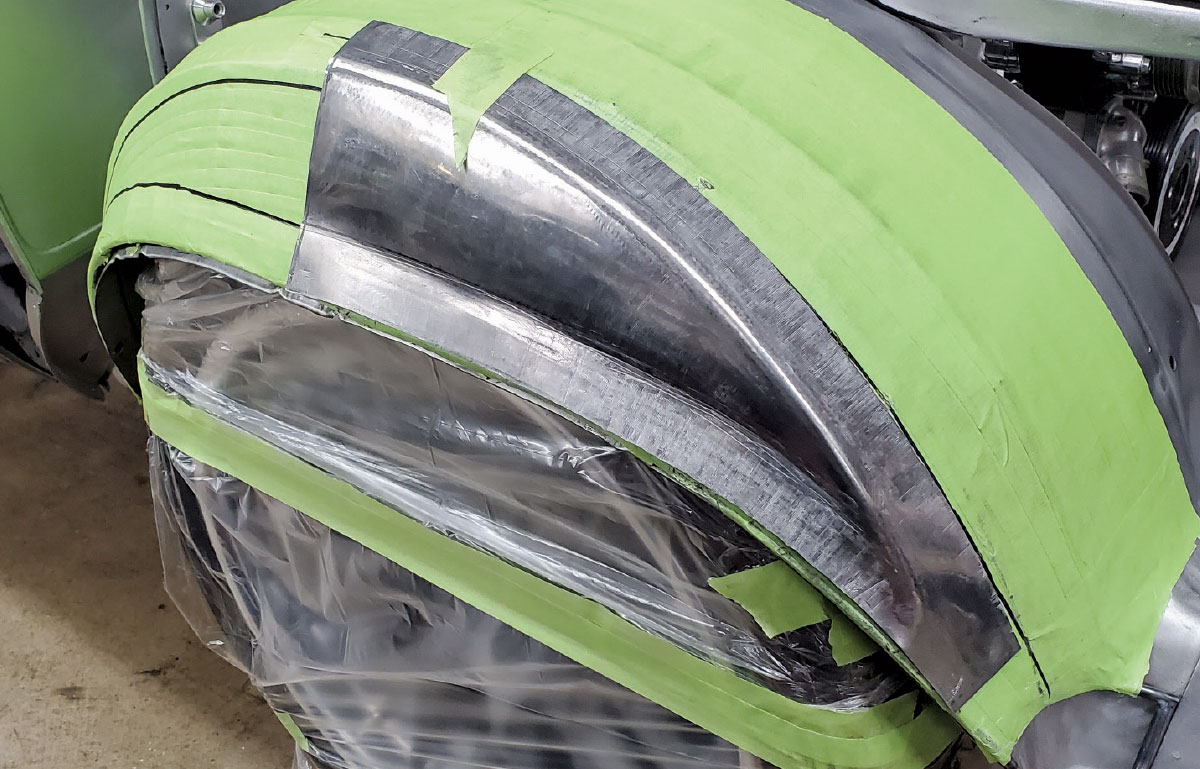
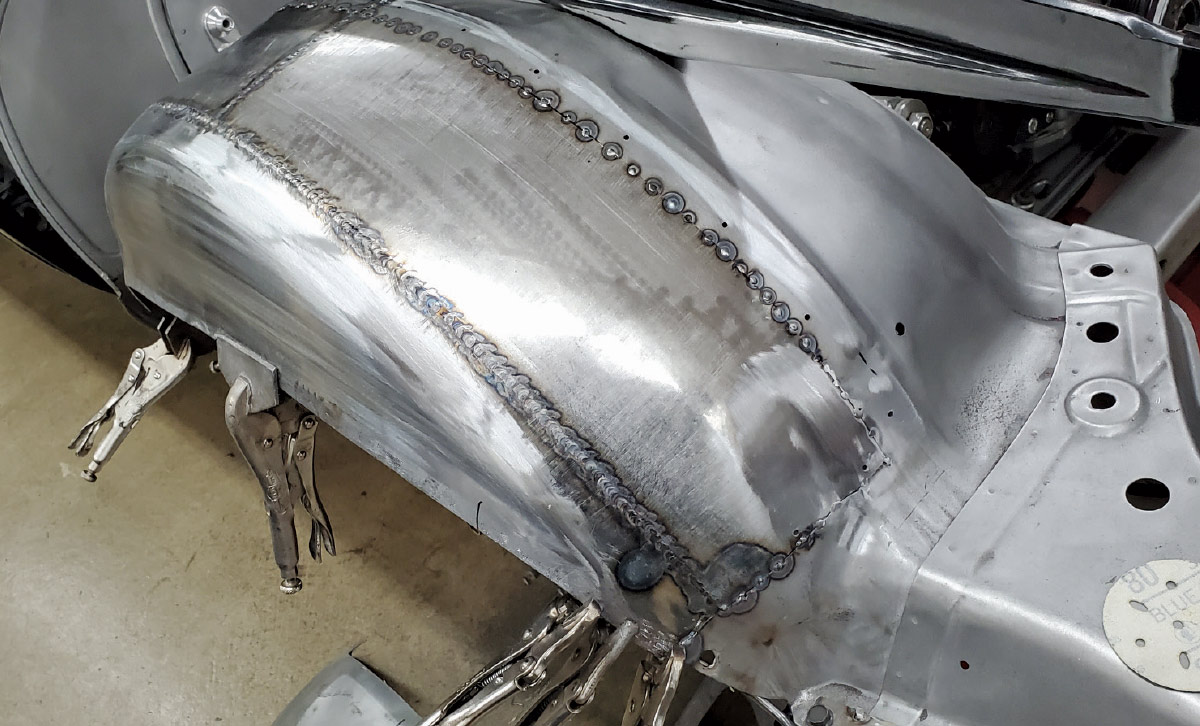
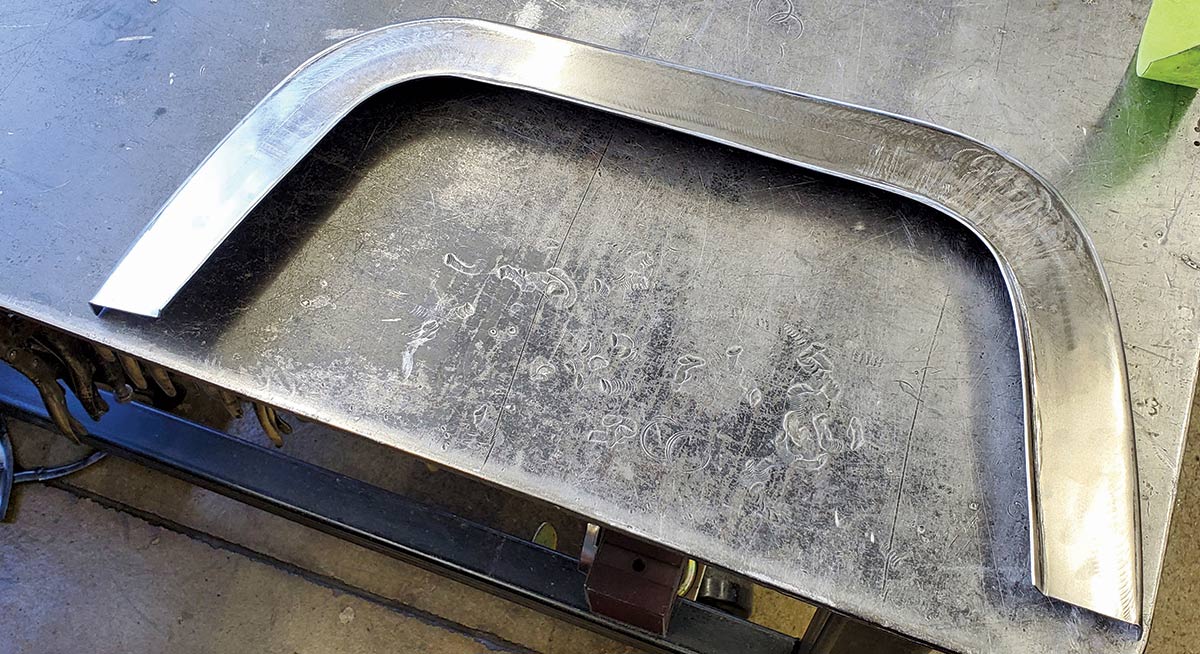
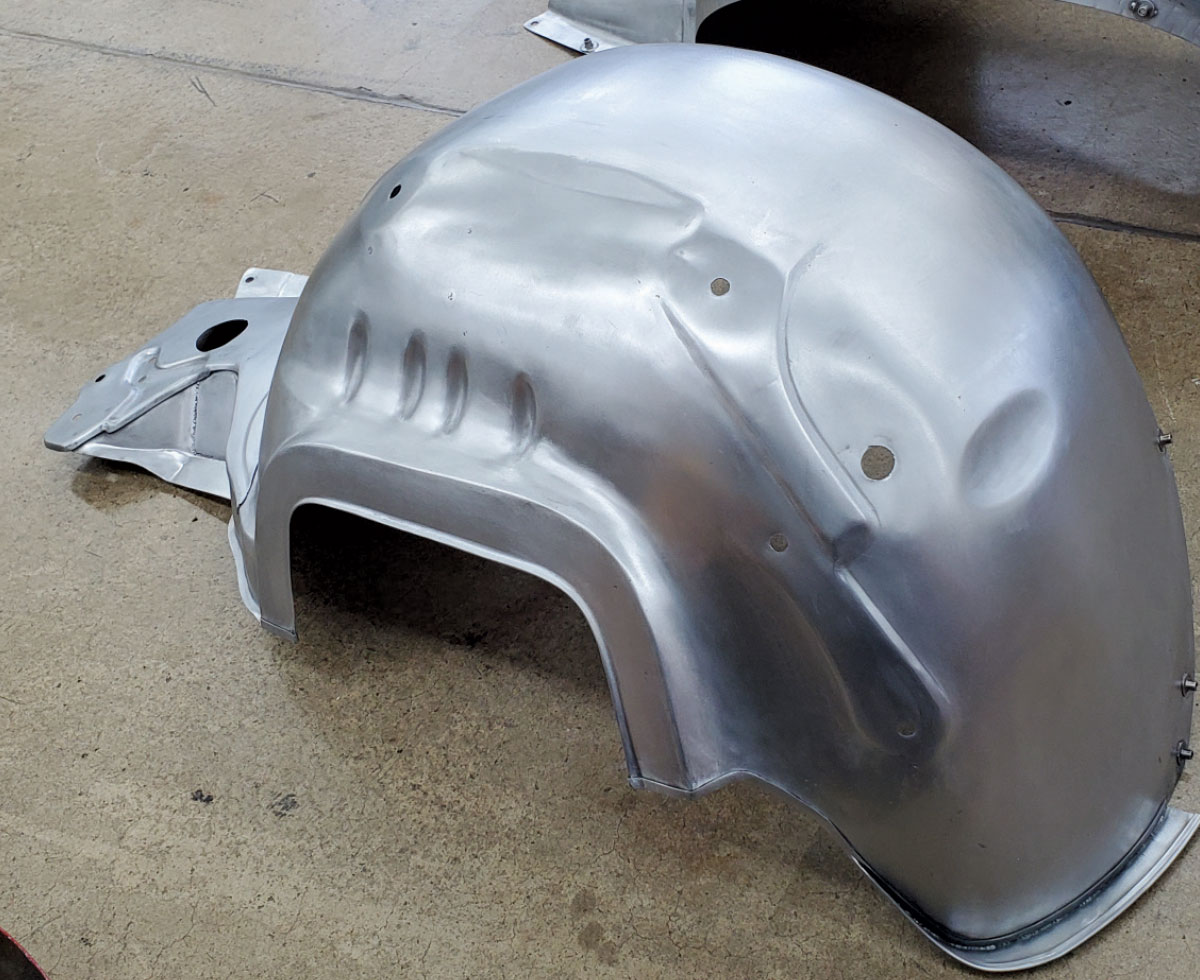
The purpose of modifying the wheelwells was to provide adequate clearance for the large wheels and tires chosen for the car. To establish the required shape, Doerfler created a mockup using a 1/4-inch-diameter round steel bar, which was contoured to closely fit the inside shape of the fender. This mockup served as a guide for shaping the metal as he worked on the wheelwells. Doerfler prefers to use 16-gauge steel for projects like this. While it’s more challenging to shape than thinner metal, you can rely on the contours lasting over the long term once the shaping is done.
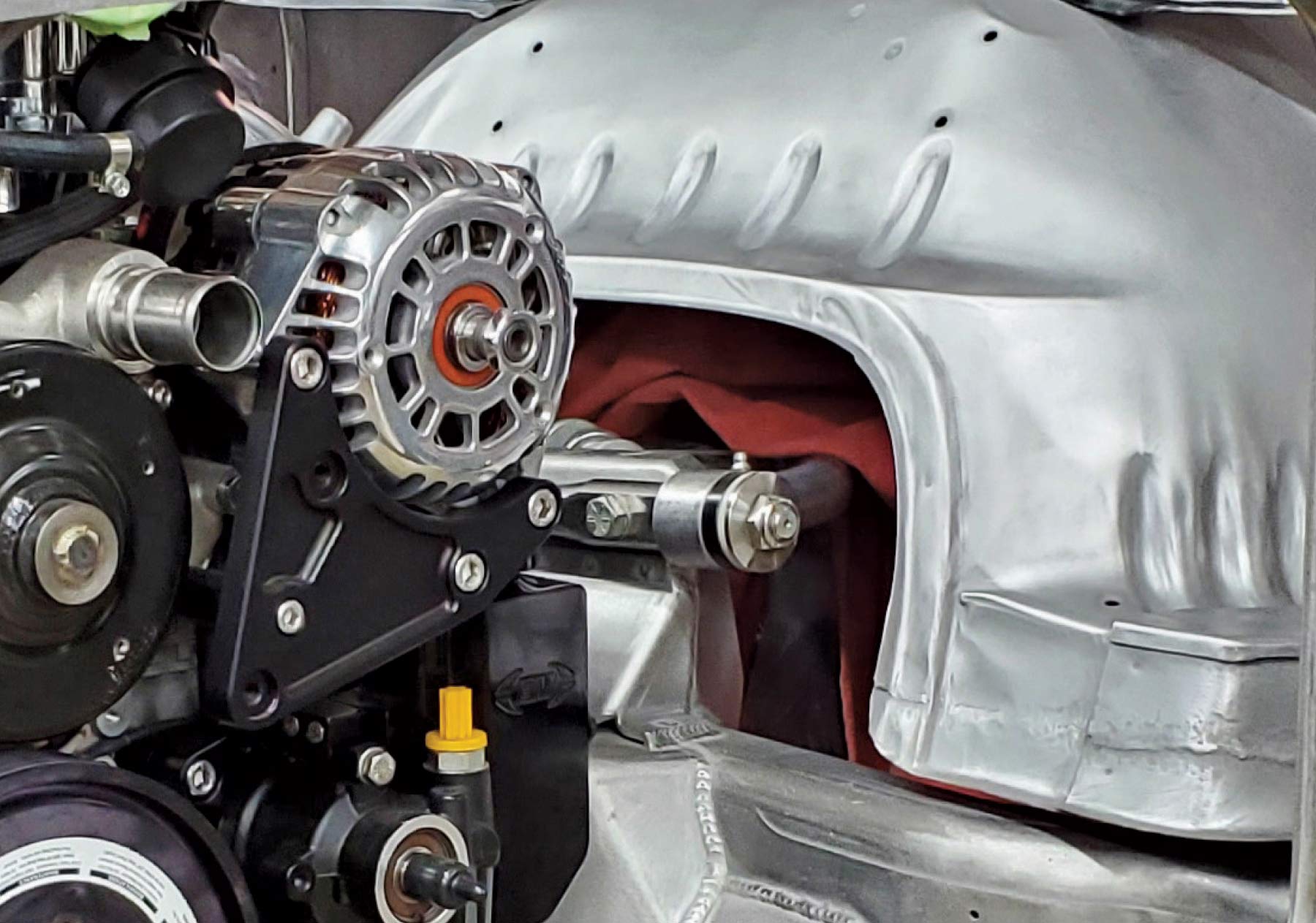
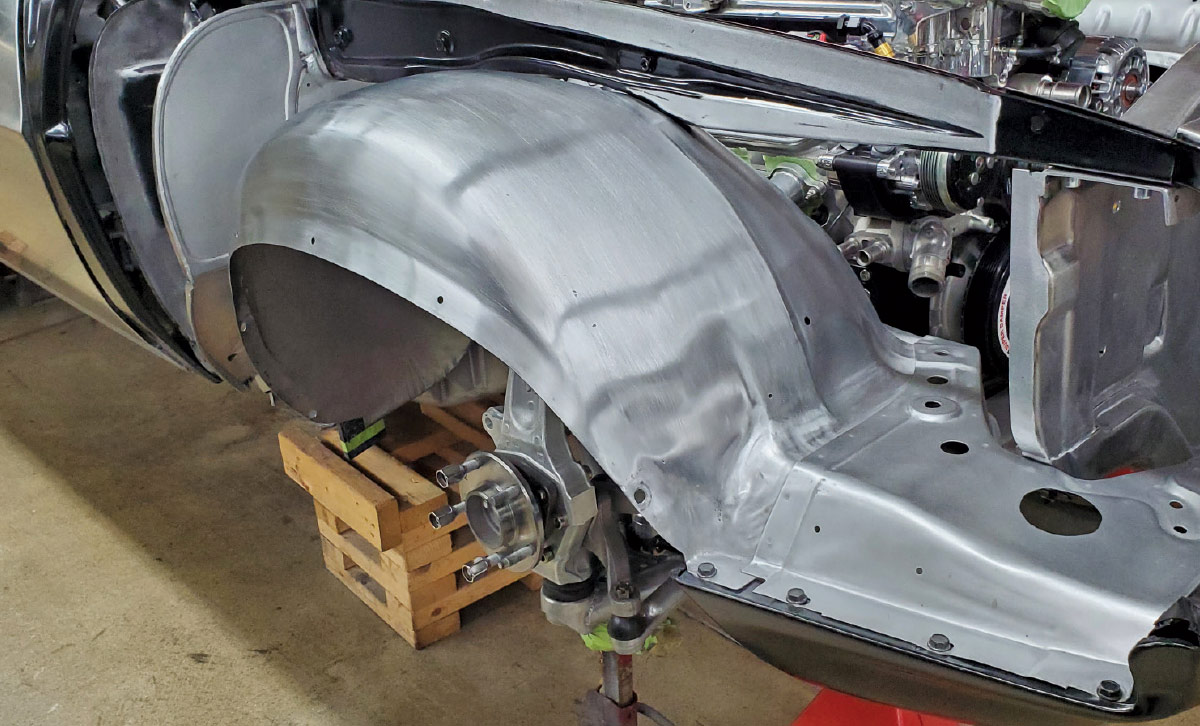
Doerfler fitted the car with a Detroit Speed & Engineering hydroformed subframe, utilizing their custom-fabricated control arms, and the stock openings in the wheelwells for the front suspension left a large, unfinished-looking gap around this area. Doerfler added a lot of intricately fabricated pieces to get everything snugged up more closely and looking right.
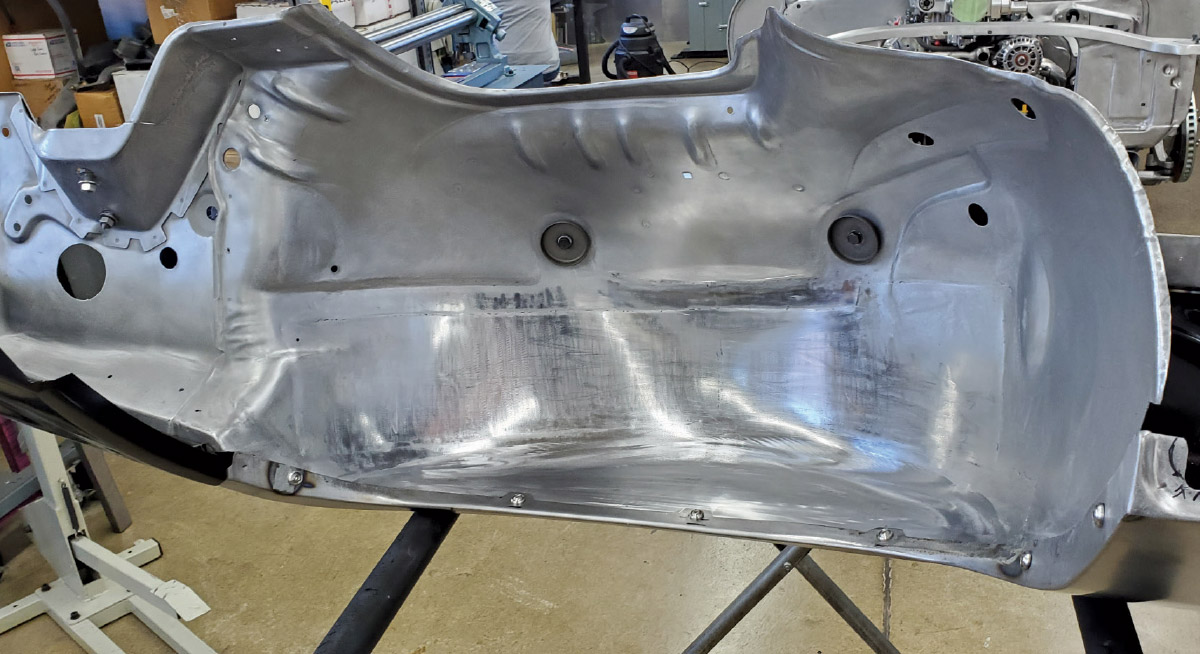
OEM manufacturers go to extraordinary lengths to form exterior autobody sheetmetal to perfection. For some interior panels, they often don’t take the time (and have the customer bear the expense) of finessing out all waves and wrinkles, and these imperfections can sometimes be quite large. None of this will pass muster with Doerfler, and he worked the wheelwells until every square inch was as smooth as a billiard ball.
In future articles, we’ll explore several other aspects of this build more deeply. We’re pretty sure you’ll like what you see!







 SOURCES