


 Photography by THE AUTHOR
hen it comes to the vintage homologation specials for SCCA’s Trans Am racing series, the Mustang Boss 302 and Camaro Z/28 typically get all the attention—but Chrysler had its own dogs in the fight.
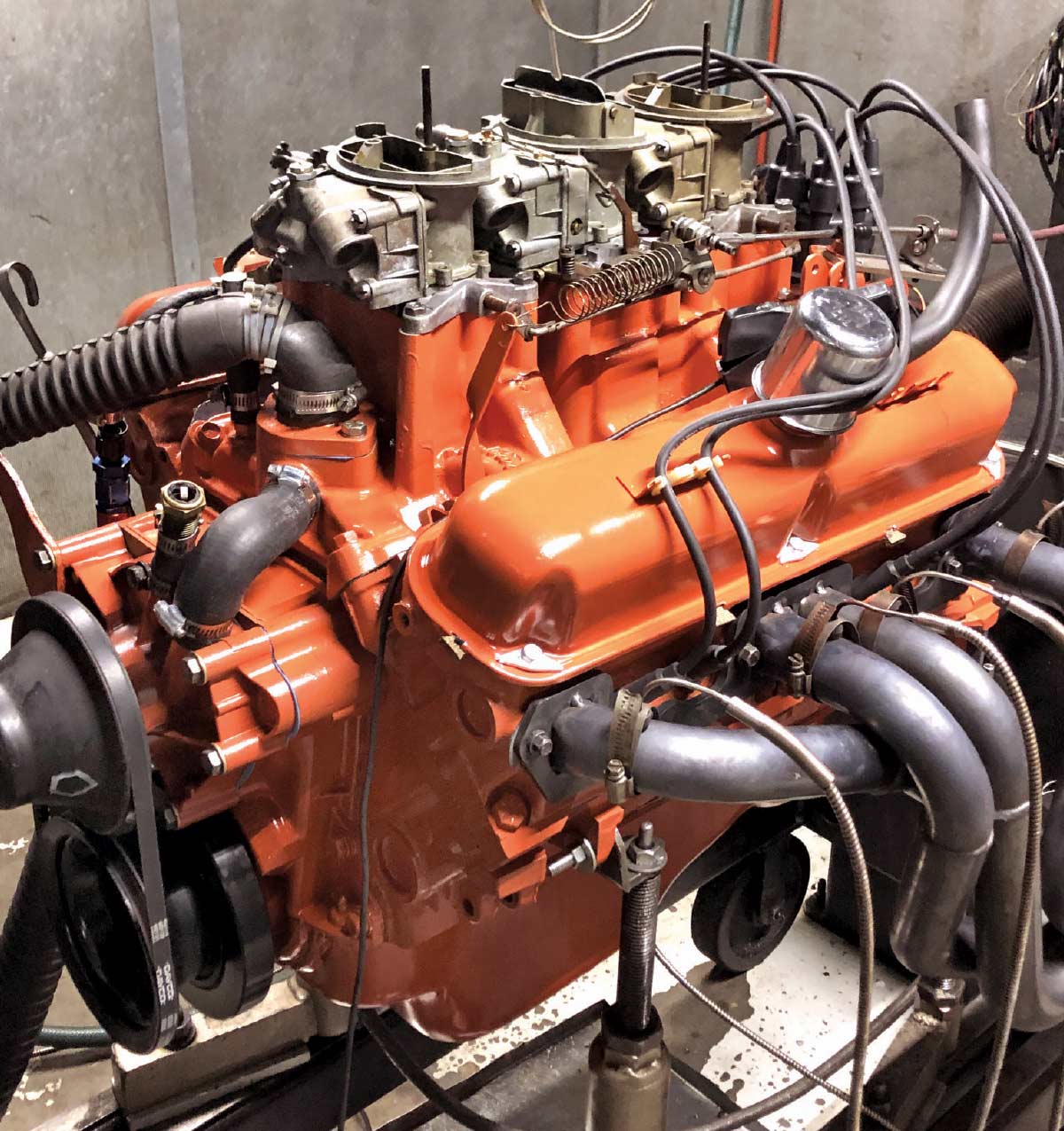
The Dodge Challenger T/A and Plymouth ’Cuda AAR were strong competitors on and off the track, with the street-going versions featuring a unique, Six-Barrel version of the 340 small-block—although the racing cars used destroked engines displacing 305 ci.
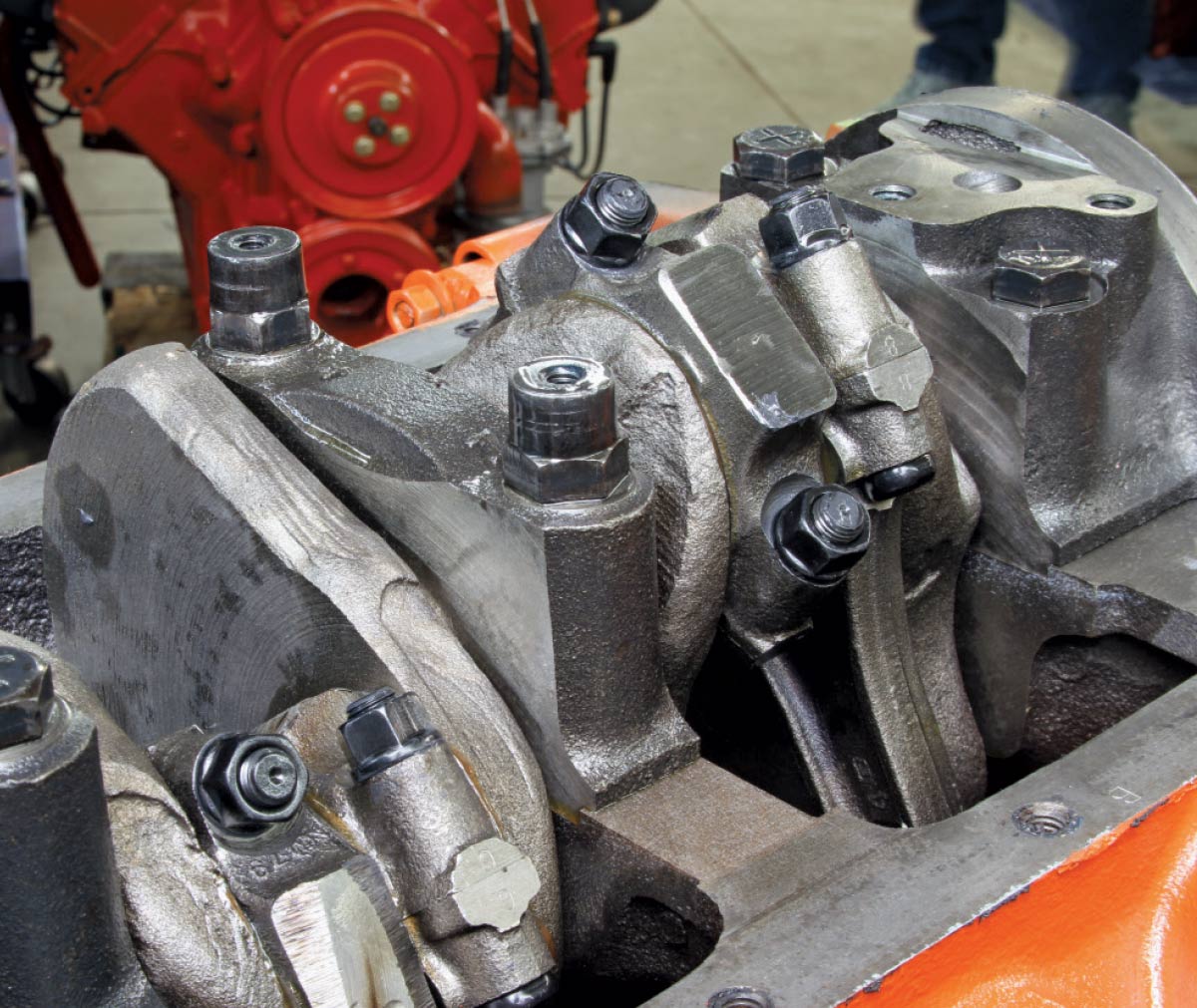
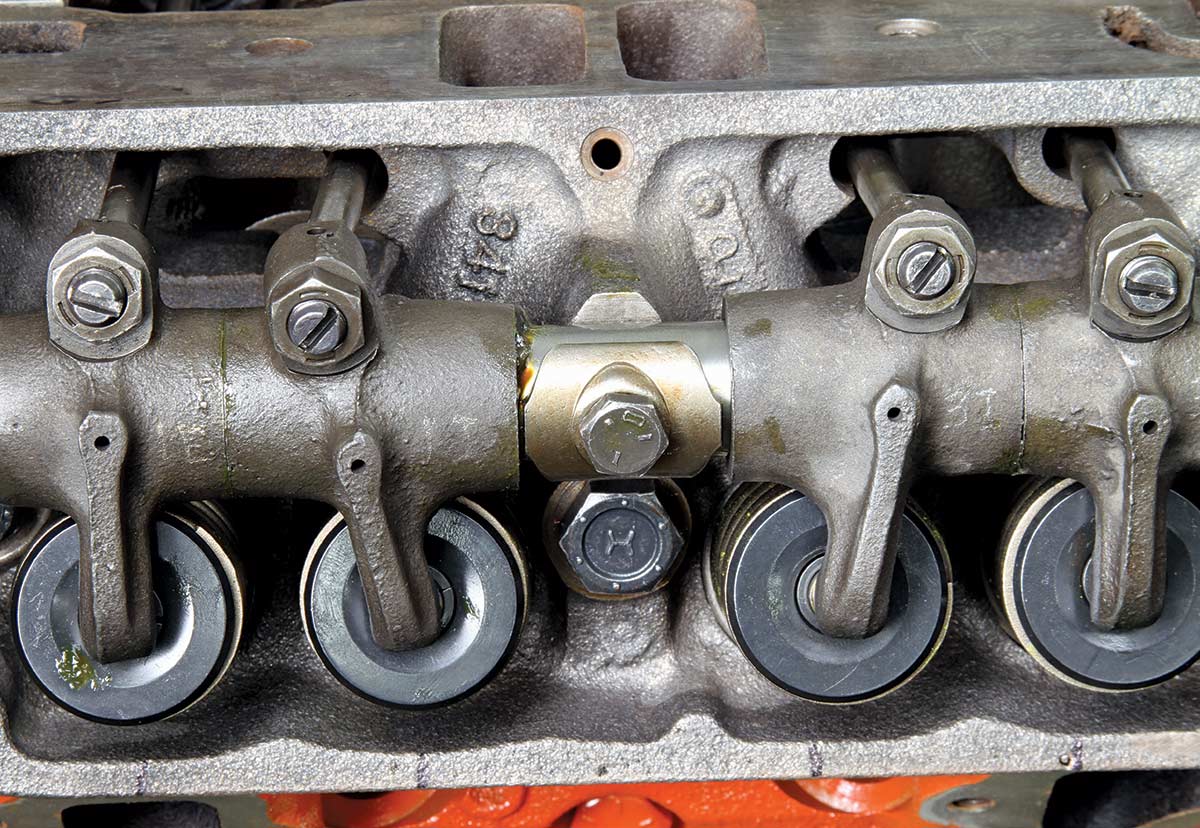
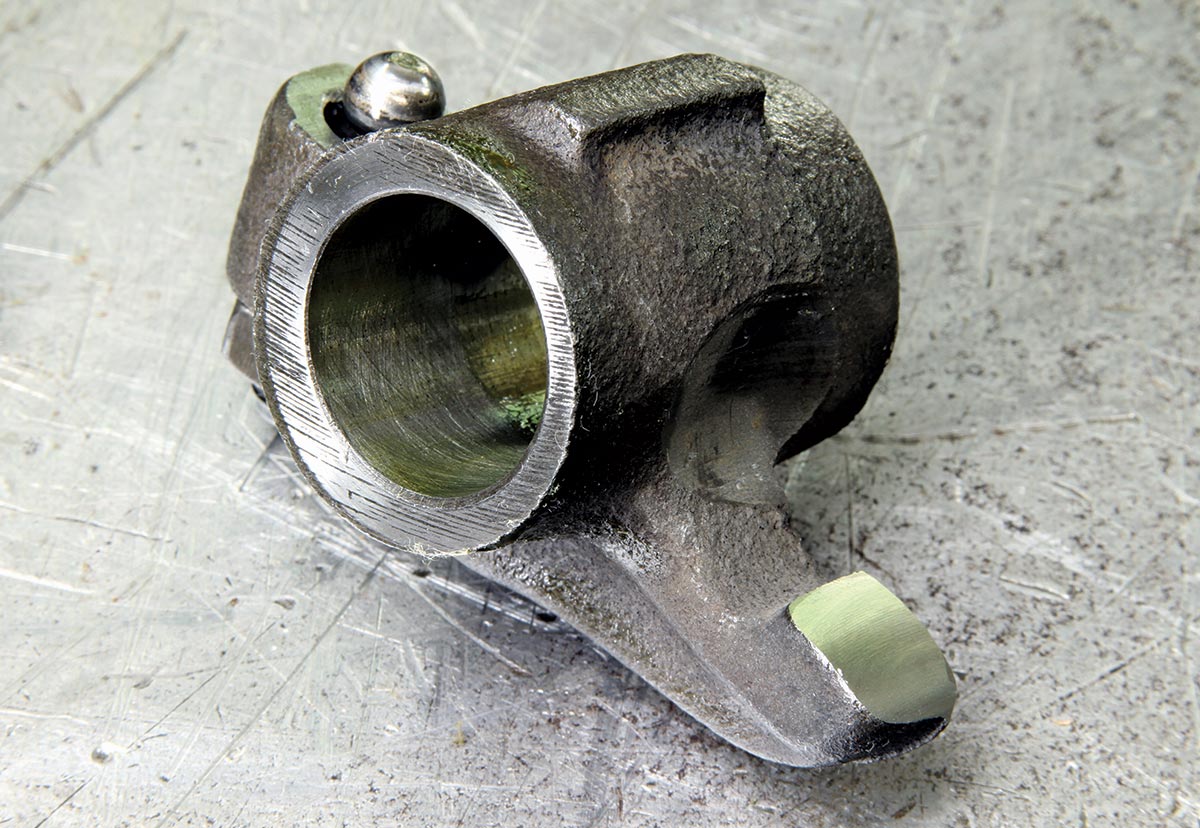
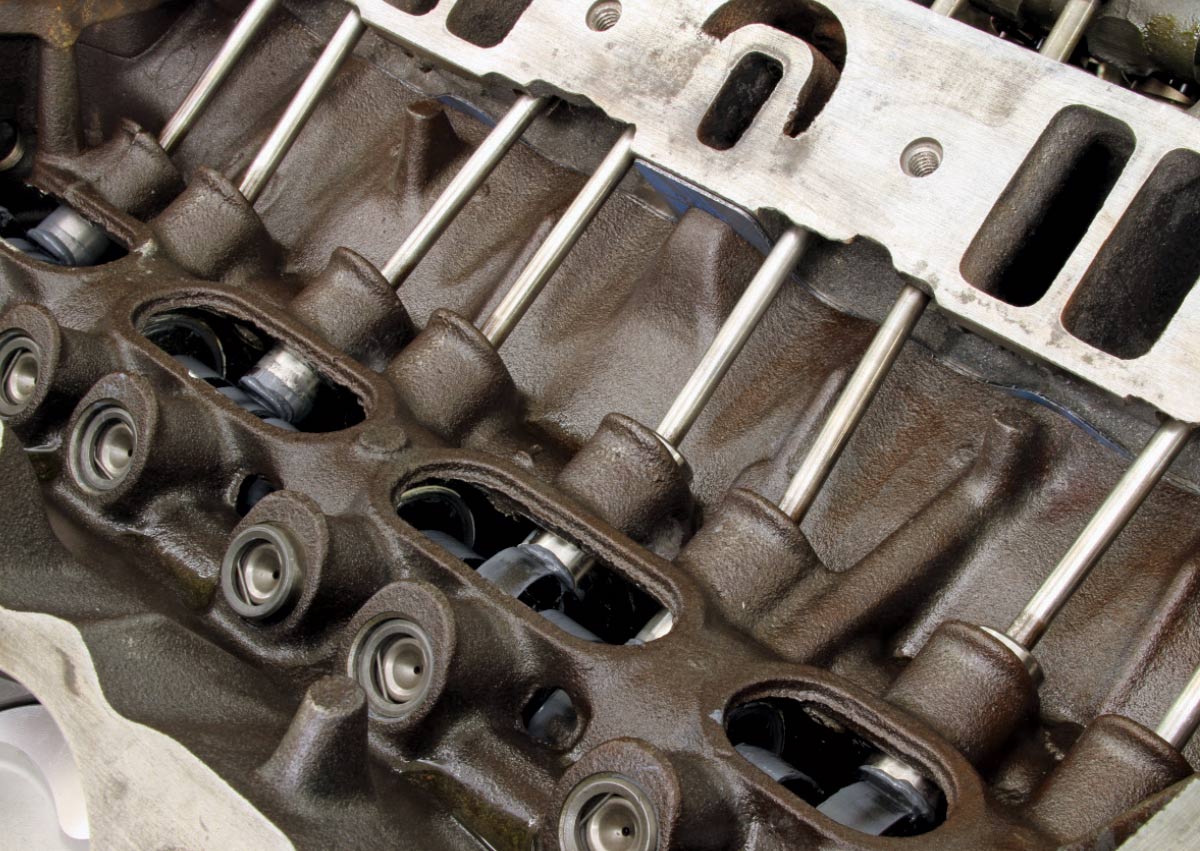
Significantly, the “T/A” engine was more than a 340 with a trio of two-barrel carbs. It was comprehensively engineered for high-rpm performance and featured a unique, strengthened block casting and unique cylinder heads with offset intake rocker arms that made room for larger intake runners.

It was a strong combination. In fact, it was stronger than the official 290hp rating that was likely advertised for a number of reasons, from keeping the insurance companies at bay to maintaining a more plausible difference between that LA small-block engine and its RB big-block brothers. Over the years, the general opinion has been that the true output was more like 340 or 350 hp.
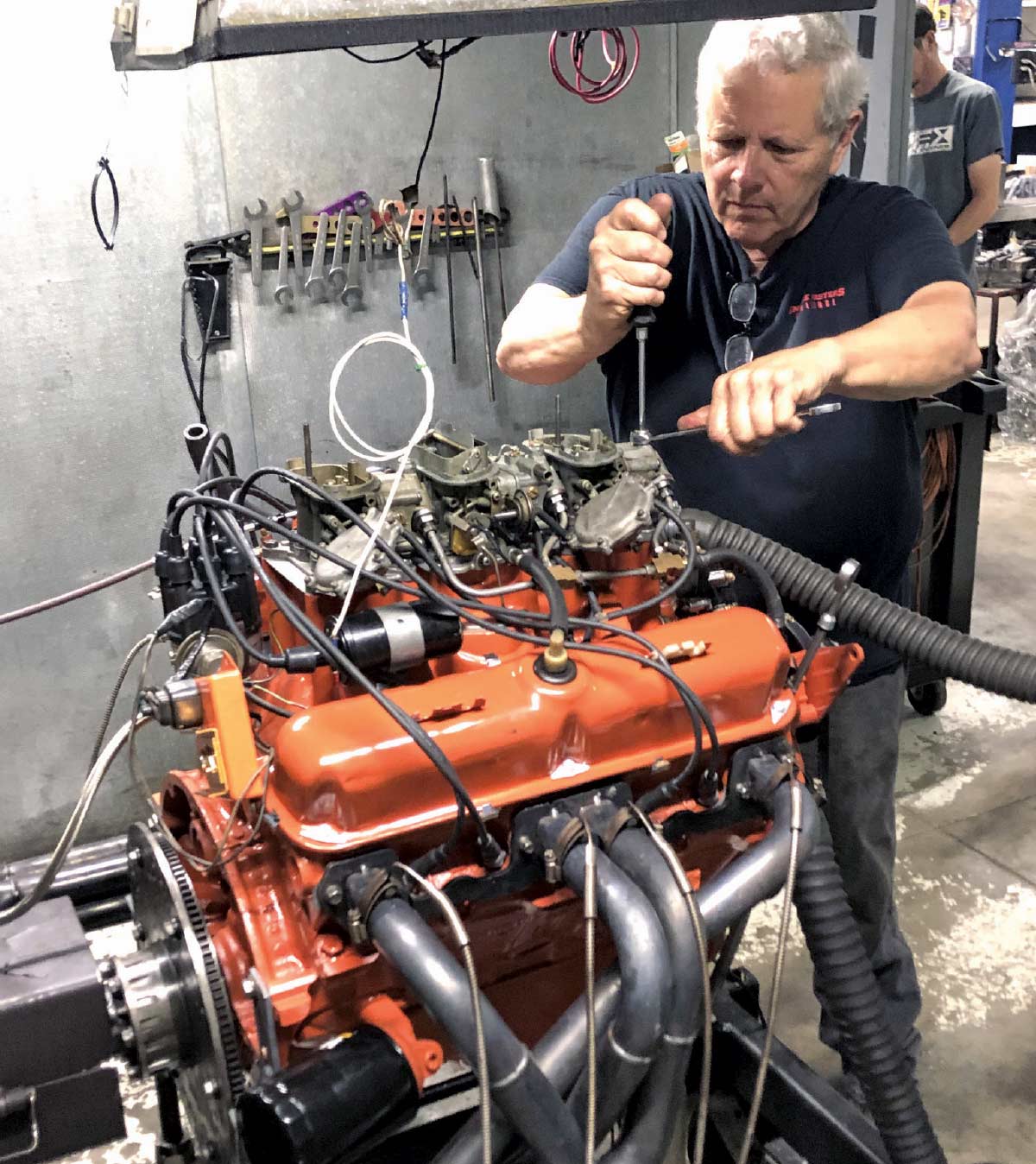
That was only 25 hp shy of the larger, heavier 440 engine. The proof, of course, is on the dyno, and that’s exactly what we were interested in with Michigan-based Valley Performance’s rebuild and testing of a 340 Six-Barrel engine plucked from an AAR ’Cuda.
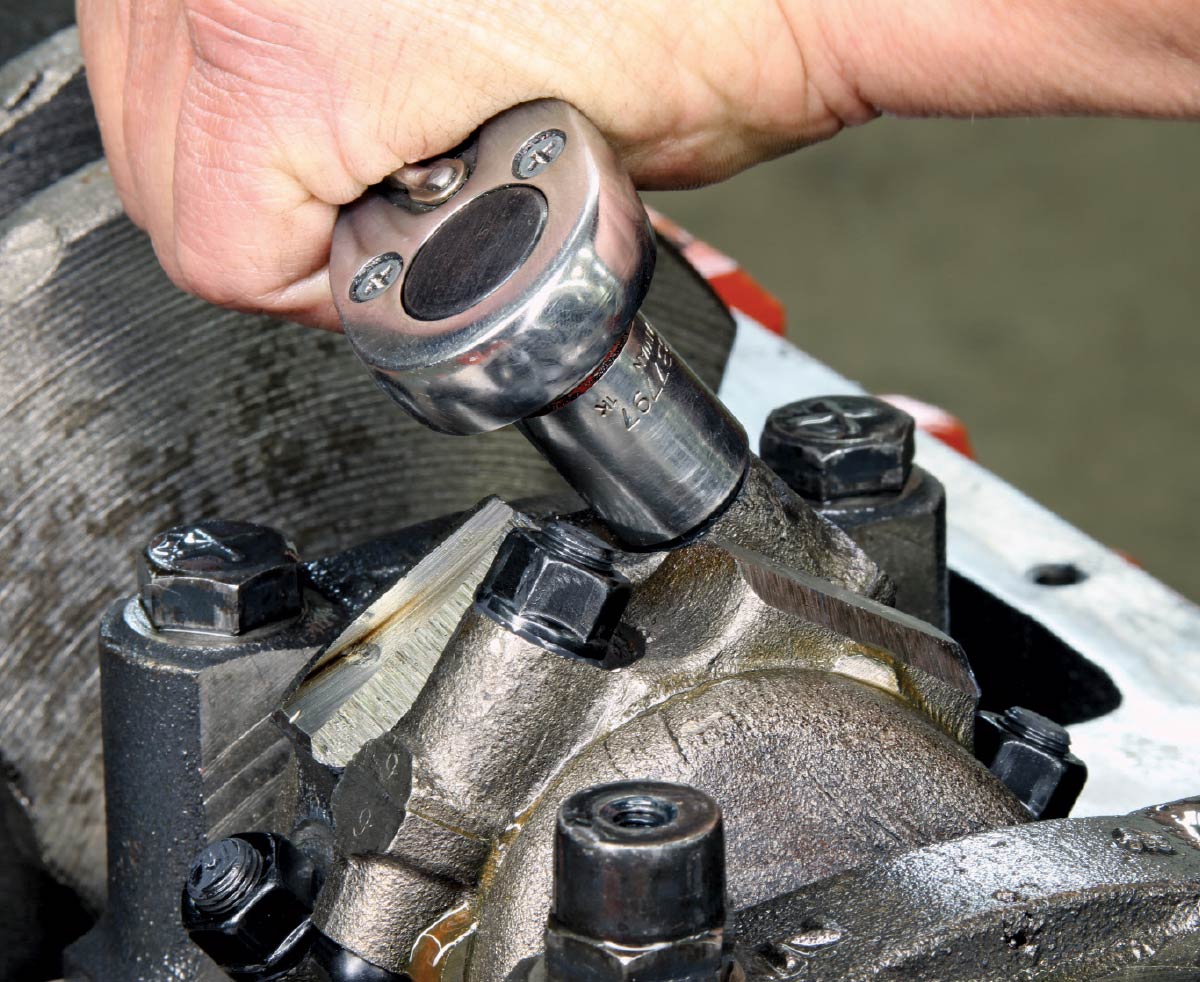
The engine was original to the car, had never been rebuilt, and was running well enough, but with the rest of the car undergoing a restoration it was time for a refresh. According to Valley Performance’s Jack Barna, the goal was to keep the engine original-looking and as stock as possible but add a few practical updates that would make the car easier to drive.
“The biggest issue was accommodating today’s fuel, which has lower octane, no lead, and some ethanol compared to the fuel of 1970,” he says. “It only made sense to rebuild the engine around those changes, especially because the owner planned to drive the car regularly after the restoration.”
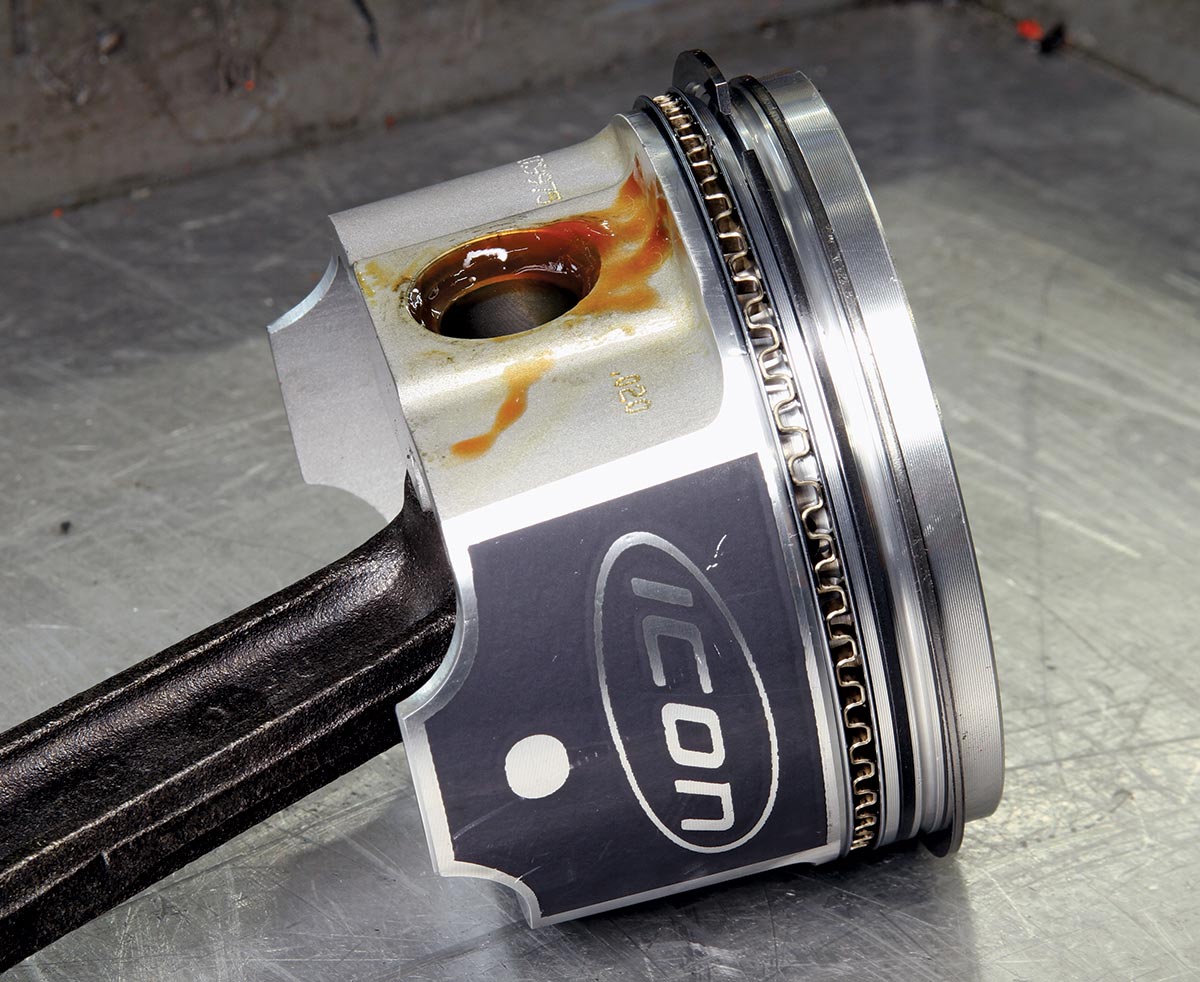
In practical terms, that meant dropping the compression a smidge with new flat-top pistons that would shave about a point off the compression ratio. The loss in compression was compensated somewhat by the new pistons’ lighter weight and a more contemporary ring pack that reduced ring tension and friction.
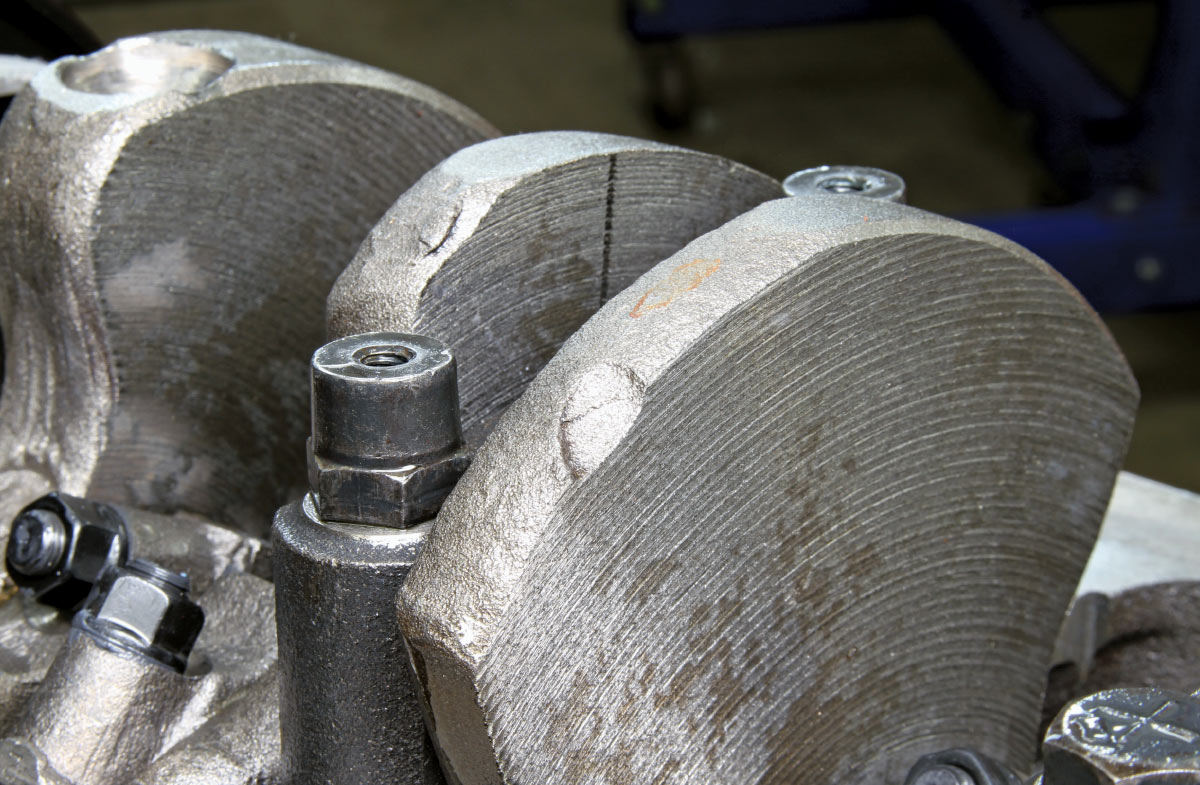
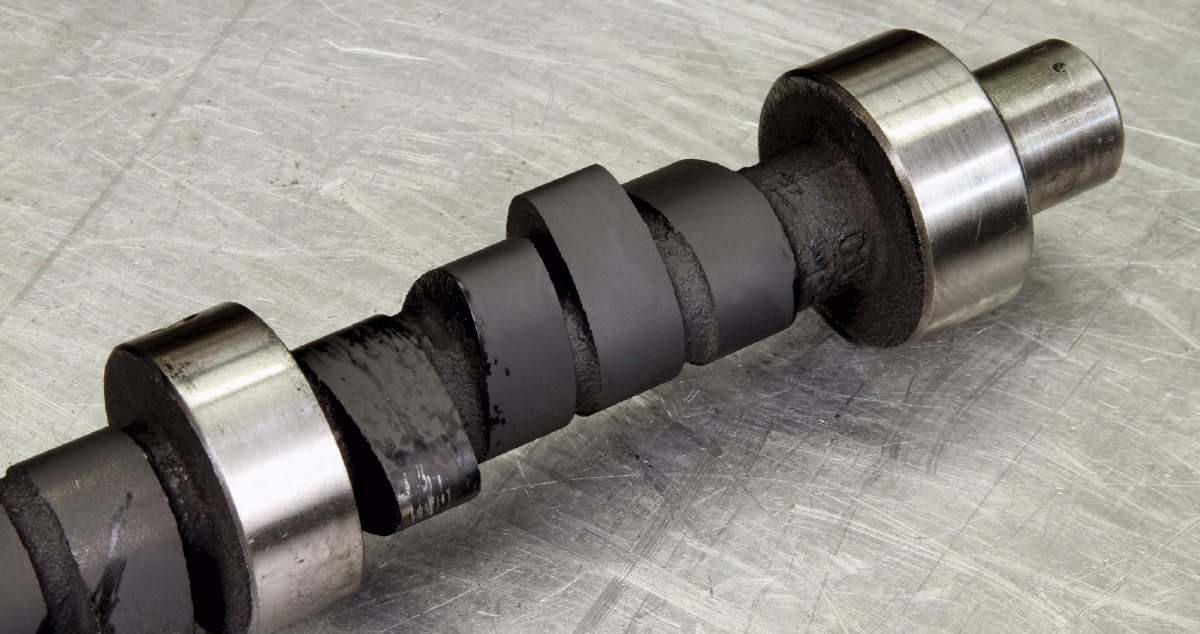
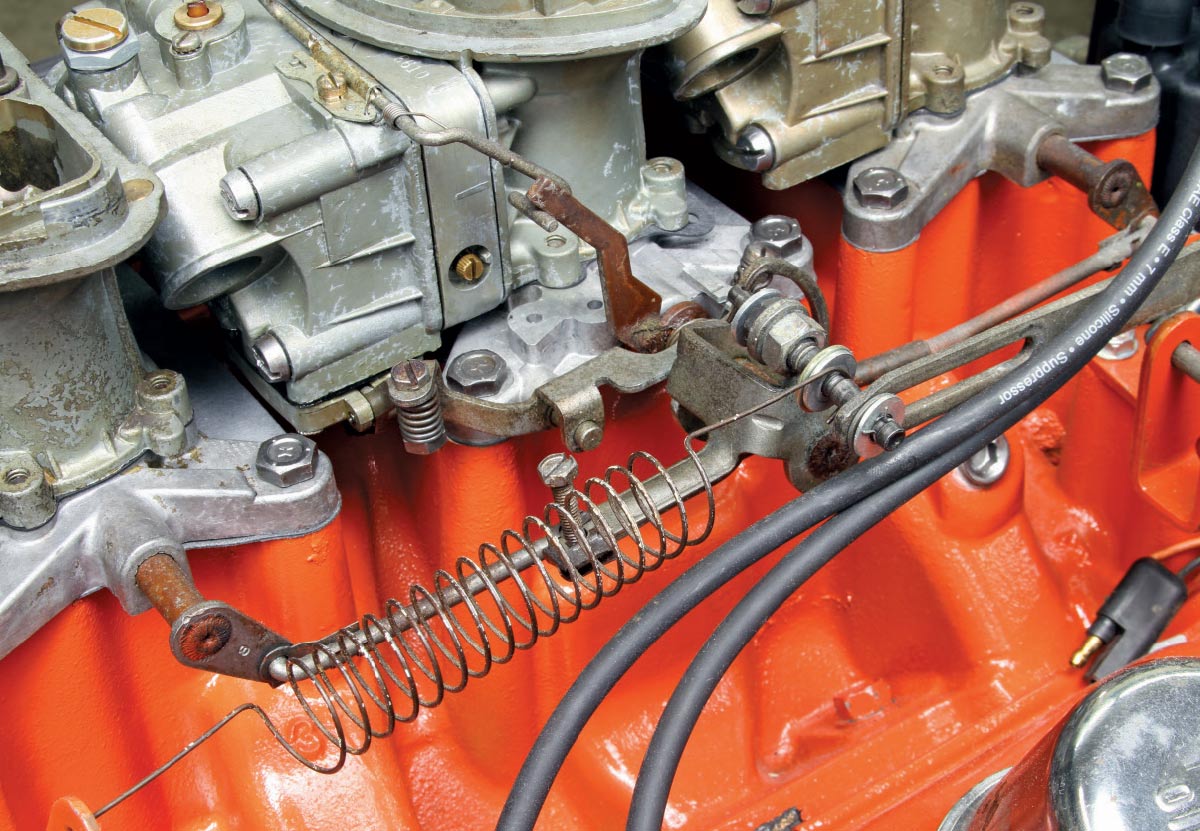
Also, a Comp Cams replacement hydraulic flat-tappet camshaft from Summit Racing helped, adding a bit more lift, but essentially, everything else in the assembly, from the crank and rods to the cylinder heads and rebuilt original carbs, was kept to original specs. That made the dyno results more than a little eye-opening: 375 hp at 5,600 pm and 389 lb-ft of torque at 4,200 rpm.
Not only did that match the output of some of the higher-rated Mopar big-blocks of the muscle car era, but it also delivered the same output as a contemporary Challenger R/T’s base 5.7L Hemi engine, which benefits from the precision of electronic port fuel injection and those contemporary Hemi combustion chambers. That’s no small achievement for this vintage small-block.
“I was confident we’d get to around 350 horses, but I was surprised how well it performed,” Barna says. “I think it proves how well the engine was engineered in the first place and how a well-conceived plan for the rebuild and good tuning can make the most of what the factory delivered.”
The 340 Six-Barrel “T/A” engine was a one-year wonder from Mopar that made a significant statement for small-block performance capability. This rebuilt example demonstrates it was much more capable than the factory let on, and it suggests the original 340 Six-Barrel engineers knew exactly what they were doing.













 SOURCES